Author: toppyhem
Want to Become a Home Inspector? 3 Ways to Prepare for a Job Interview
April 12, 2022





It’s normal to feel a bit nervous before an interview—especially if it’s for a job you really want. Preparing for any job interview can be stressful, but with the proper guidance and preparation, you can ace your interview with flying colours. In fact, we’ve collected a few helpful tips that you can use as you prepare to begin your new career.
Read on to learn how you can prepare for an upcoming home inspector interview!
1. Demonstrate Your Attention to Detail After Your Home Inspector Training
During a home inspector job interview, it’s a good idea to showcase your ability to pay attention to details. Paying attention to details is a pretty important aspect of working as a home inspector, since it’ll be up to you to spot any issues or red flags about the property. After you’ve completed your pre-apprenticeship home inspector training and have started interviewing for different jobs, you might be asked questions that have to do with this skill. If you can share examples of times when you paid careful attention to detail, then it’ll help you demonstrate why you would be a great fit for the position.

2. Showcase Your Communication Skills
Brushing up on your communication skills is also a good idea before any interview. Fortunately, your training will help you develop and improve your communication skills. Why? Turns out, having good communication skills is important for your home inspector career. Whether writing out reports or communicating with clients, your communication skills will serve you well throughout your career.
To help you prepare for your interview, you can do practice sessions with a friend or family member. You can practice your answers to common interview questions, as well as get comfortable talking about your education and work experience. By taking the time to practice a bit before your interview, you’ll improve your confidence. This can in turn help you feel more comfortable and less nervous during the interview, as well as improve your chances of leaving a good impression.

3. Take the Time to Research the Company
When preparing for an interview, it’s always a good idea to do a bit of research and preparation beforehand. In addition to the time you spend brushing up on your communication skills, you’ll also want to spend some time looking over the company website. You can make note of things like the work culture, the type of work involved, the team, and other important pieces of information. It’s also a good idea to look over the job description again. This will help you get a good idea of what you can expect if you were to take the job. It can also help you determine if there are any questions that you would like to ask the interviewer. The interviewer might also be impressed that you took the time to do your research, which can help you stand out against the competition.
Want to become a home inspector?
Contact NATS for more information about our training programs!
Projects That Help Prepare a Home for Spring After Home Renovation Training
April 05, 2022

With the winter weather almost behind us and spring around the corner, it’s a good time for home renovations. Spring brings with it an enthusiasm and energy for brightening up spaces and fixing them up so that they look nice and feel comfortable all over again.
At North American Trade Schools, you get hands-on training in various aspects of basic home renovation, from carpentry to plumbing, painting, wood finishing, and more. This will help prepare you to tackle various home renovation projects at any time of the year.
Read on to discover what types of projects people tend to focus on during the spring!
Prepping the Backyard After Home Renovation Training
One of the most common spring renovation projects your customers could ask for will have to do with their backyards—and, more specifically, the decks and patios in those backyards.
A backyard deck usually bears the full brunt of winter weather, especially when snow piles up on top of it. And, as homeowners start thinking about enjoying the warmer weather, they could want to make their outdoor spaces just a little nicer. After completing your home renovation training, you can use your skills and knowledge to bring your customers’ decks and patios to life by building, resurfacing, sanding and/or repainting them.

Ensuring a Home’s Structural Integrity Is Intact
When you become a home renovation technician and the spring season is in full swing, you might be asked to check a home’s structural integrity. You might be asked to check and see if walls aren’t damaged or floors aren’t crooked. You might also need to check that there are no waterproofing issues that might damage the foundation or basement. Once the snow has melted, these types of issues can sometimes come up.
Doors and Windows Could Need Reno Work as Well
Doors and windows also feel the effects of the winter months. As a result, some homeowners may want these items checked and fixed up. They might feel that the doors have deteriorated because of the continuous cold weather. Doors and windows also experience seal shrinking, which means that cracks can sometimes occur during the winter. In some cases, you might want to replace the seals for all the windows and doors around an entire home. Why? Doors and windows that are properly sealed help keep homes cool during the spring and summer, while also preventing hot air from escaping when homes are heated during the winter months.

Painting Walls Brightens Up Spaces During the Spring
Homeowners tend to make changes to the walls of their homes after the winter season. During winter, the daylight hours tend to be shorter, with less natural light coming in. A wall’s paint tends to look normal during the winter months under the dimmer light of a light bulb. But as soon as the spring season is in progress, and the curtains are drawn back, some homeowners might notice that the walls of their home aren’t as perfect as they once looked. As a result, you could be hired to redo the paint or update the walls with different colour schemes.
Are you interested in home renovation school?
Contact NATS for more information about our training programs!

Welding professionals are responsible for joining metal parts together for different types of metal structures, including buildings, power plants, ships, pipelines and refineries. Training to become a Welder is a great way to secure a successful and rewarding career that you can be proud of.
At NATS, you’ll receive hands-on training in Gas Metal Arc Welding (GMAW or ‘MIG’), Gas Tungsten Arc Welding (GTAW or ‘TIG’), Flux Cored Arc Welding (FCAW) and Shielded Metal Arc Welding (SMAW or ‘Stick’). You’ll also learn techniques for basic joint welding, welding preparation, weld symbols and much more. Upon completing your training, this experience will prepare you to pursue a wealth of opportunities within the welding sector. You can begin your career in a junior position, and then gradually advance to other positions as you gain experience and skills.
Here, learn more about the career advancement opportunities you can access later in your career.
Become a Welding Inspector After Welding College
After several years of working as a welding professional, you may consider advancing your career and becoming a Welding Inspector. As a Welding Inspector, you’ll be managing other welders, with the responsibility of ensuring that all job specifications for the project at hand are met. Your welding college training, knowledge, and experience in health and safety will be of help when becoming a Welding Inspector. Your expertise will be needed to ensure that bridges, buildings, and other structures are structurally sound, performing visual inspections to catch any errors in the weld, such as cracks or pits. As a Welding Inspector, you’ll also be testing the stress level of the welds to make sure that they meet the required levels of ductility and strength.

Consider Becoming a Boilermaker
With welding technician training and additional experience working as a Welder, there are a few other advancement options you might want to consider during your career. For example, you may choose to work towards becoming a Boilermaker. As a Boilermaker, you’ll have the opportunity to build, install, maintain and repair the pressure vessels designed to store various gases and liquids. The pressure vessels boilermakers work with might include reactors, heat exchangers, boilers, tanks, closed vats or other containers. These professionals often work within energy facilities including hydro and oil-sands plants, as well as steel, chemical, cement and other manufacturing plants.
If you’re considering a career as a Boilermaker, you may need to complete additional training in the construction and maintenance of boilers, applying your background in welding to the field. You’ll use your welding skills to assemble boiler tanks, inspect and repair leaks and defects, and complete other necessary work orders.
Pursue a Career as a Pipe Fitter
Are you attentive to detail, or do you possess an aptitude for mechanics? If so, a career as a Pipe Fitter could be right for you. Pipe fitters are responsible for designing, installing and repairing pipe systems, using their background in welding to safely secure pipes to fixtures, walls and other system components. As a pipe fitter, you’ll spend time creating intricate pipe systems in alignment with industry specifications and regulations, measuring pipes to determine where they should be cut, and putting together piping using various welding techniques.

Successful pipe fitters have plenty of welding experience, enabling them to perform the often complicated welds necessary for pipe fitting projects. What’s more, these professionals possess a strong understanding of industry standards and codes, ensuring that they develop pipe systems which are able to safely transport hazardous chemicals. If this career path interests you, consider specializing in pipe fitting after completing your welding training.
Are you interested in welding classes?
Contact NATS for more information about our training programs!

For an aspiring technician in the HVAC industry, the first step to securing a job is acing your job interview. A job interview is your chance to make a positive first impression and demonstrate to a potential employer your professionalism and your suitability for the position.
At NATS, you’ll receive pre-apprenticeship hands-on training in gas and propane heating systems, ventilation and air cooling equipment. The training you receive allows you to launch a successful career upon completion. But to make the most of that training, you’ll also need to know how to impress at a job interview. Read on to familiarize yourself with some of the top interview mistakes to avoid!
Arriving Late to Your HVAC Technician Job Interview
If you arrive late for your interview, it could set a bad first impression that can lower your chances of getting hired. Showing up late could signify to an employer that time management may be an issue. If you have that listed as a skill on your resume, it could hurt your credibility. If you arrive late, your interviewer could assume that you don’t value the HVAC Technician job position or the interviewer’s time. To avoid giving off this impression, make sure that you arrive on time or even better, ten minutes early. In doing so, you can avoid running into unforeseen circumstances that may delay your arrival. At the same time, you will demonstrate your reliability as a worker with excellent time management skills.
Dressing Inappropriately
No matter what position you’re applying for after you complete your HVAC technician courses, you always have to dress appropriately for your interview. If you go to an interview wearing an outfit that is too casual, you’re reducing your chances of making a great first impression. When in doubt, go for a smart-casual look.
Your interviewer might also want you to demonstrate your technical skills in HVAC by getting your hands dirty. In that case, make sure you have an additional outfit with you for the technical part of that interview.

Not Preparing for the Interview
Before you attend an interview, it’s always a good idea to prepare for it ahead of time. While preparing, think of the questions your interviewer might ask you about your work experience, education, hands-on training and the skill set that you will bring to the HVAC position.

Your interviewer will likely assess your communications skills, decision-making process, and problem-solving abilities. With another preparation, you’ll be ready to grab the interviewer’s attention as you provide examples that demonstrate your experience and skills in the field.
Are you interested in HVAC school?
Contact NATS for more information about our training programs!
Identifying Spring Weather-Related Damage During Your Home Inspector Career
March 15, 2022

Spring weather is right around the corner, and with it comes certain types of weather known for causing certain types of damage. As an aspiring home inspector, you’ll help home buyers make informed decisions about their new homes. Your keen eye, in-depth training, and investigative skills will help you spot all kinds of potential issues, including damage that can spring up when the winter thaws. Spring weather brings with it storms, lightning, and hail. Temperatures might be milder, but the damage spring weather can bring may wreak havoc on a house.
Read on to discover what damages to look for during the spring!
Spot Spring-Related Roof Damage After Your Home Inspector Training
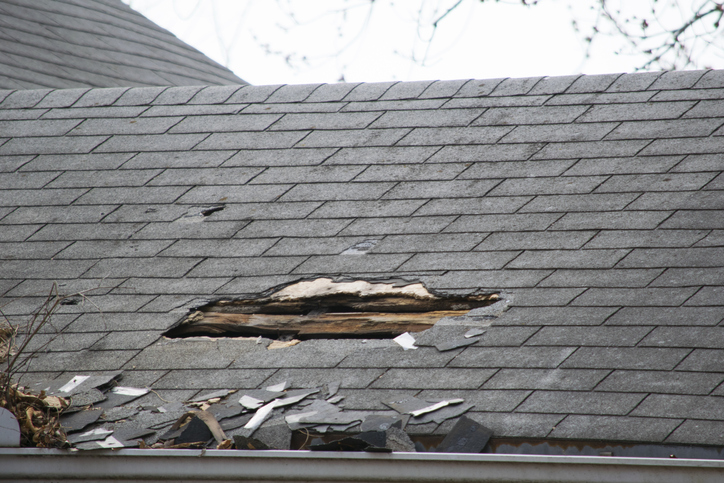
When you go with your clients to inspect a new home, especially during the spring, it’s always important to thoroughly inspect the roof for potential issues. Spring weather can mean heavy storms, and the roof usually takes the full brunt of any damage caused by these weather events. If you notice any leaks or roof shingles missing during home inspections after you complete your home inspector training, then that’s an unfortunate indicator that spring storms have caused some damage. You’ll also have to inspect the home’s attic to check for any signs of dark water stains forming, as well as for any sunlight coming in through the roof.
Make Sure to Inspect a Home’s Siding
When you become a home inspector, you’ll get to carefully inspect the exterior of many different homes. A home’s siding is there to prevent the exterior walls from the elements making their way to the interior side of the house. The siding keeps your client’s home insulated during the winter and summer. It also protects your client’s home from moisture and mold buildup that can rot the foundation of the house and cause structural damage in the process. A siding inspection is therefore necessary, to ensure that no damage was sustained during the spring thaw. Storms and heavy rain can sometimes cause cracking, denting, or splits in the siding. As a result, you’ll want to see if there are missing, damaged, or loose pieces.
Clogged Gutters Are an Important Issue to Catch
In the event of a heavy spring storm, a house’s gutters have an important role to play. They help make sure that water drains properly and doesn’t damage the rest of the house. Gutters are an essential part of maintaining and protecting the exterior of a home and preventing rainwater from making its way into the interior. As a result, you’ll want to check gutters to make sure that they aren’t damaged or clogged. If they are, it’ll be important for you to check for signs of water damage and other issues that might be affecting the property.
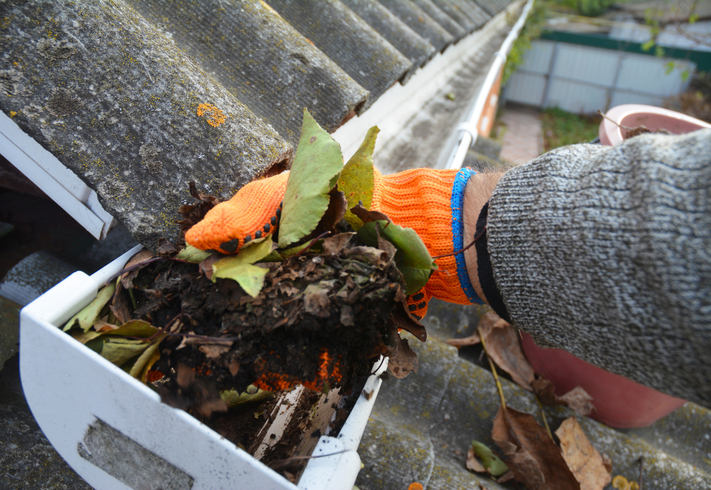
When gutters are clogged, the property becomes susceptible to erosion, leaks, and other water-related damages during the spring season. If you notice any areas where the gutters are broken or sagging, causing water to build up, then advise your clients that immediate repairs need to be done.
Are you interested in a home inspector career?
Contact NATS for more information about our training programs!
Launching a Career in Store Fixture Construction After Cabinet Making Training
March 08, 2022

If you like working with your hands and enjoy woodworking, then a career in store fixture construction could be ideal for you. You’ll enjoy designing and installing fixtures for different clientele after you complete your training in cabinet making.
At NATS, we provide you with hands-on training in cabinet making, where you’ll learn about: design and layout, reading blueprints, using power machines and tools, and much more. These skills will make you a marketable candidate as you set out to launch your career. What kinds of careers could you work towards? Fortunately, there are quite a few options for you to look forward to, including a career working on store fixtures. The store fixture field is full of different opportunities to tap into, benefits to enjoy, and trends to stay on top of.
Read on to discover what awaits you in store fixture construction!
About Store Fixture Construction
When you choose to specialize in a field, it’s important to know what it’s about. Store fixture construction is the bread and butter of retail stores. The way that store fixtures are designed, made, and displayed bring out the functionality that stores need to show off their merchandise. Cabinet making training will allow you to design and install hardware according to customer specs and according to your recommendations. As a result, stores will rely on your expertise and skills to design functional customized fixtures that can display and hold specific products and items.

Experience Variety While Working in Store Fixture Construction
When you choose to specialize in the store fixture construction field, you’ll probably get the chance to work on several projects with different retailers. This will give you the chance to showcase your skills after your cabinet making courses. This career path will also provide you with variety, as you design and install different customized store fixtures for the different retailers that require your services. You’ll also have the opportunity to travel from time to time to different locations and stores across your city or even further afield. With a driver’s license, you can treat your work as a road trip as you drive from one retail store to the next, as you discuss with store owners and managers what fixtures you’ll create to fit their needs.
Check Out Store Fixture Construction Trends After Cabinet Making Training
Retailers are always trying to innovate and come up with new ways to make their store stand out. They want to make sure that they attract customers with fresh, eye-catching designs, and that means that they’re very interested in staying up to date on the latest trends affecting store fixtures. As a result, your career in store fixture construction will let you experience new trends as they make their way into the industry. Some retailers, for example, might be trying to move towards a sophisticated minimalist display of their merchandise using plenty of curves and angles. Minimalism is a big trend right now—especially in retail! However, as time goes on, you’re bound to encounter many other trends as they sweep through store shelves.

Minimalism is a big trend you might encounter if you work on store fixtures
Are you interested in cabinet making school?
Contact NATS for more information about our training programs!
Careers in welding are a great move for people looking for exciting, fulfilling, and rewarding careers where they can use their hands and specialized skills. If you’ve always wanted to travel, have your pick of different specializations in your career, or if you like being judged based on skill, it might be the path for you. Welding classes can set you on the right track to building your skills and discovering what you want to do within the world of welding. Graduates move on to become apprentices to ironworkers, pipefitters, construction millwrights, boilermakers, or welders. The opportunities are vast and you can find the place where you fit best.
If you’re thinking about welding training, it can be helpful to see why your future career could be a rewarding choice for you personally. Read on to learn what the profession has to offer and how you could benefit from it.
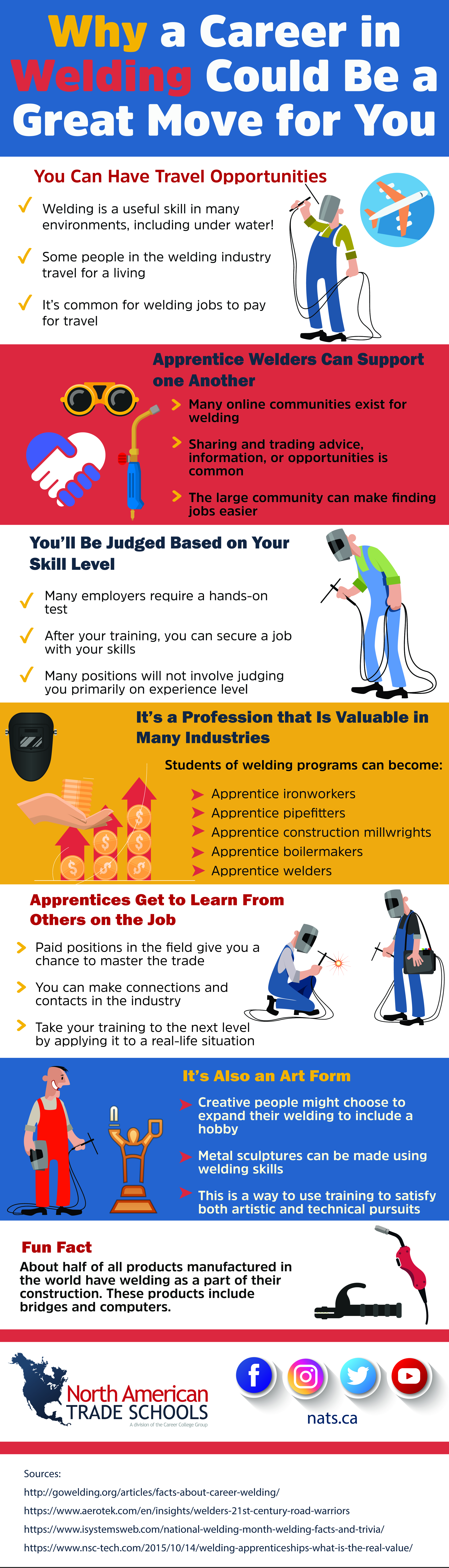
Why a Career in Welding Could Be a Great Move for You
You Can Have Travel Opportunities
- Welding is a useful skill in many environments, including under water!
- Some people in the welding industry travel for a living
- It’s common for welding jobs to pay for travel
Apprentice Welders Can Support one Another
- Many online communities exist for welding
- Sharing and trading advice, information, or opportunities is common
- The large community can make finding jobs easier
You’ll Be Judged Based on Your Skill Level
- Many employers require a hands-on test
- After your training, you can secure a job with your skills
- Many positions will not involve judging you primarily on experience level
It’s a Profession that Is Valuable in Many Industries
Students of welding programs can become:
- Apprentice ironworkers
- Apprentice pipefitters
- Apprentice construction millwrights
- Apprentice boilermakers
- Apprentice welders
Apprentices Get to Learn From Others on the Job
- Paid positions in the field give you a chance to master the trade
- You can make connections and contacts in the industry
- Take your training to the next level by applying it to a real-life situation
It’s Also an Art Form
- Creative people might choose to expand their welding to include a hobby
- Metal sculptures can be made using welding skills
- This is a way to use training to satisfy both artistic and technical pursuits
Fun Fact: About half of all products manufactured in the world have welding as a part of their construction. These products include bridges and computers.

Do you enjoy working with your hands? Do you like trying out fun DIY projects around the house that resonate with your personality and bring out the best in you? Do you love staying up to date on the latest home renovation trends? Then why don’t you let that passion be nourished through training in home renovations. By the time you’re done, you’ll have the skills needed to turn your passion into a real career.
At NATS, you’ll get hands-on training and experience in home renovations, where you’ll learn about carpentry, plumbing, wood finishing, and more. Read on to get a sneak peek at what following your passion could look like.
You Could Upgrade Pantries When You Become a Home Renovation Technician
When people work from home, they tend to look around their space and wonder how it might be made into something just a little more comfortable. That has led to quite a few new trends in the home renovation space, including a greater focus on spacious kitchens and stunning pantries.
As people spend more time at home, they tend to store more food and cook more. That’s why you’ll notice beautifully designed pantries making their way into the kitchen (or right next to it!) when you become a home renovation technician. Today’s pantries don’t just store food and beverages, with maybe a few dishes or cleaning products thrown in. Many have now become walk-in spaces that can also accommodate small appliances, cooking equipment, and even sinks! After graduation, you may get to work on these kinds of dream pantries.

Open Floor Plans May be a Thing of the Past
An open floor concept seems more spacious, don’t you think? Well, while that may be true, people have slightly different priorities now. Abandoning the open floor plan is the new trendy thing to do, which is why you might get to work on these kinds of projects after you complete your home renovation training.
Since working from home is becoming a trend in its own right, homeowners want to bring a little bit of privacy back into their lives. With an open space, homeowners don’t have the luxury of separating their office space from their personal space. That’s why they’re taking their lives back by adding in walls to create private nooks, study spaces, and home offices. You’ll enjoy working on this new trend as you listen to your customers describe their dream space.
The Bathroom Has Been Added Onto Many’s Most Wanted List
Believe it or not, the bathroom is now also a top priority within the home renovation space. Whether using it as a mini spa space, a brief retreat from kids, or as a quiet place to decompress for a moment, today’s bathroom has taken on an important role within many households.

As a result, you may get to work on quite a few bathroom upgrades during your career in home renovations. Your clients might want you to replace their bathrooms’ countertops, cabinetry, tubs, and more. So, you’ll get to put your carpentry and plumbing skills to the test, as you renovate bathrooms to make them more luxurious and relaxing.
Turn your passion for creativity and home renovation into a rewarding career with training at NATS!
Are you interested in home renovation school?
Contact NATS for more information about our training programs!
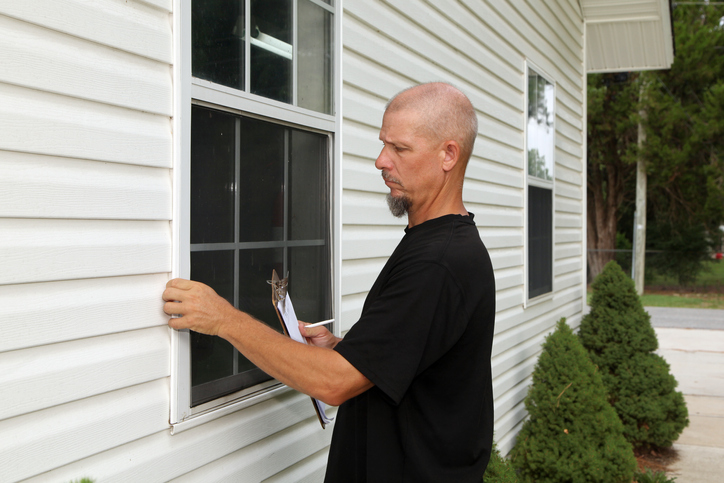
Becoming a home inspector is a rewarding career that comes with many benefits. You’ll get to use your observation and critical thinking skills as you inspect different homes for problems. You’ll get to travel to different locations to do your inspections. And you’ll also have the satisfaction of seeing new homeowners make the right decision on their dream homes.
Some homes, whether new or old, may have some red flags that’ll have to be assessed properly before purchase. It’ll be up to you to help homeowners make informed decisions on what issues they can live with, what counts as a dealbreaker, and what may require essential repairs right away before moving in day.
At NATS, you’ll receive hands-on training in roofing, electrical, heating, and much more. This will prepare you to inspect homes with confidence.
Read on to discover what red flags to watch out for as a home inspector!
Watch Out for Cracks and Gaps After Your Home Inspector Training
Large cracks and gaps are one important red flag you should always look out for. They can appear around a home’s garage, deck, and patio—as well as in driveways, sidewalks, and several other spots.
Spotting these issues during an inspection can help uncover bigger problems affecting the property. For example, gaps between doors, pipes, or windows usually indicate a water intrusion. And when cracks are visible in concrete, that may indicate that there is an improper installation issue or soil problem. After your home inspector training, you might often find yourself on the lookout for these kinds of issues!

Watch Out for Drainage Issues
Another major red flag to look out for when you become a home inspector is water drainage issues. During inspections, you’ll want to check that water drains away from the house rather than towards it. To do that, you’ll have to inspect all the gutters of the house to ensure that they’re set up correctly. Shoddy gutters with missing downspouts, for example, could indicate that the soil around the foundation might not be in the greatest shape, as water could have washed some of it away. Even if no deeper issues are present and the buyer does opt for the house, they’ll need to know that this is a problem that needs to be fixed sooner rather than later.
Unwanted Humidity Inside the House Could Be a Sign of Trouble
Moisture buildup inside of a house is another pretty important red flag to watch out for. Why? Because over time, moisture can cause rotting, mildew, and mold. Improperly insulated windows are one common culprit behind this issue. If during a home inspection you see water droplets building up on the inside of a window, that’s a telltale sign that there are issues with the window and maybe even other deeper problems going on. Of course, there are many other ways for humidity to accumulate in unwanted places, so this is one thing you’ll want to be on the lookout for when inspecting many different parts of a house.
Are you interested in a home inspector career?
Contact NATS for more information about our training programs!
A Guide to the Different Types of Welding Processes for Pros in Welding Technician Training
February 15, 2022

For aspiring welding professionals, there are endless opportunities to apply your trade. Without welding, many industries like the construction industry, aviation, automotive and more would not exist in the way that they do today. Buildings, appliances, vehicles, fences and space shuttles would have never come to life without the art of welding metals.
At the NATS, you’ll get hands-on and theoretical training in the field of welding, using modern equipment for different welding processes. By understanding some of the most common welding processes, you can launch a successful and skilled career. Read on to discover the different types of welding processes worth knowing.
Know The Simplest Form of Welding After Your Welding Technician Training
Stick Welding, or Shielded Metal Arc Welding (SMAW), is the simplest form of welding. This form of welding produces a constant current electric arc, using a power source. The current flows through a flux in the coated welding electrode. This coating mechanism ensures that the weld zone is not exposed to air while the rod is melting. You’ll realize after welding technician training, how cheap stick welding is and how compatible it is with most metals out there. This will allow you to work with stick welding in many industries, for shipbuilding, pipelines, constructions, and much more.

MIG Welding Is the Way to Go for D.I.Y Projects
MIG Welding, which is short for Gas Metal Arc Welding, is one easy type of welding that forms an electric arc between a consumable MIG wire and the piece you are welding. After you train at a welding college like NATS, you’ll be prepared to perform this type of MIG welding. You’ll see how MIG welding creates heat and causes the materials you’re working on to melt and join, forming a piece of molten metal. The heat that occurs during this welding process is covered by a shielding gas, which protects the welding from any contamination. MIG welding is also the method of choice for those who don’t want to spend too much on welding equipment.
Gain Experience and Start TIG Welding
TIG Welding, which is the short form for Gas Tungsten Arc Welding, delivers electric current to the weld section, using an arc welding process that uses a tungsten electrode. This type of welding has a non-consumable electrode. Welding also requires the use of Argon, a type of shielding gas that protects the weld metal from any contamination. This form of welding is not for everyone. In order to perform TIG welding without any challenges, you need to have proper training and gain experience in the field. TIG Welding is generally used to weld thin areas of aluminum, magnesium, copper alloys and stainless steel.

Finally, the Flux Cored Arc Welding
Flux Cored Arc Welding (FCAW) is an automatic or semi-automatic welding process. FCAW requires a consumable to be continuously fed a tubular electrode that contains a flux. It also requires a constant power supply and an external shielding gas to be supplied to protect the weld metal from any contamination. While most flux-cored wires can run without gas, some cannot. As a professional welder, you’ll have to refer to the manufacturer’s datasheet to know which welding wire to use. Flux Cored Arc Welding can be used for shipbuilding, heavy fabrications, constructing, welding and earthmoving.
Interested in enrolling in welding classes?
Contact NATS for more information!