Author: toppyhem





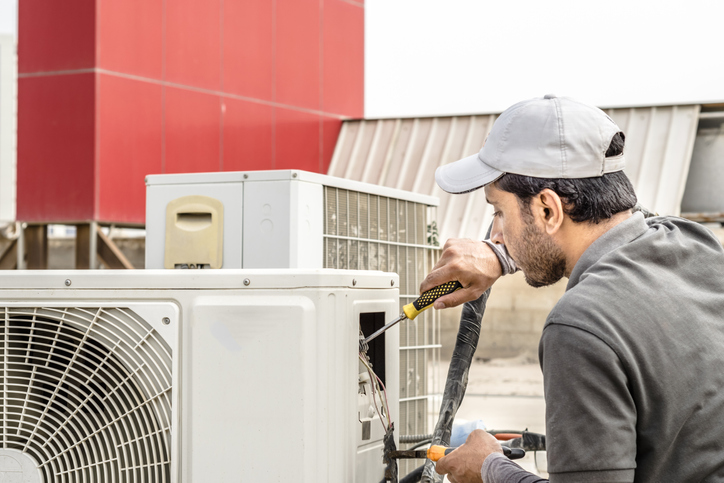
If you enjoy working with your hands and like the idea of servicing heating, ventilation or air conditioning systems, then a career in the HVAC industry is the right choice for you. You’ll apply your hands-on training and practical skills towards a successful and dynamic career. But in order to do so, it’s a good idea to understand what a typical day is like working in the industry.
At NATS, we prepare you for the daily job expectations you will encounter throughout your career. You’ll learn the installation and maintenance of gas and propane heating systems, ventilation and air-cooling equipment for both residential and commercial buildings.
Read on to discover what a day in the life of an HVAC technician is like!
The Work Schedule for an HVAC Technician Depends on the Setting
Whether you enjoy working on a consistent schedule or with on-call shifts, jobs in the HVAC industry offer something for everyone. Your work schedule will depend on your form of employment. When you become an HVAC technician after completing your training from NATS, you’ll get the chance to work for a home building, a commercial business or a construction company. This may give you the opportunity to work regular business hours, on a fixed schedule, or simply when your expertise is needed to troubleshoot issues.
The Start of Your Day Can Vary
After you complete your HVAC technician courses from NATS and start your career in the industry, you’ll realize how dynamic your workday can be. When you work in the HVAC industry, you’ll start your day by going into work and checking the pending tasks that require your attention. You’ll then have to use your organizational skills to manage your schedule and arrange the time to attend to these tasks based on importance.
On the other hand, if you want to become a self-employed contractor, then your day will begin by checking emails or voice messages and answering phone calls from customers requiring your services. No matter how your day starts, you should be prepared to carry your safety gear and tools and start heading over to the locations that require your services.

Prepare Yourself for Different Working Conditions
Working in the HVAC industry allows you to experience different working conditions and different settings. With professional training from NATS, you’ll be prepared to handle the different issues that you may face throughout your career. More specifically, you’ll learn how to check airflow, refrigerant pressure, electrical circuits, burners and other components for various clients. You’ll also be prepared to work safely and efficiently in more challenging work conditions, such as extreme temperatures.
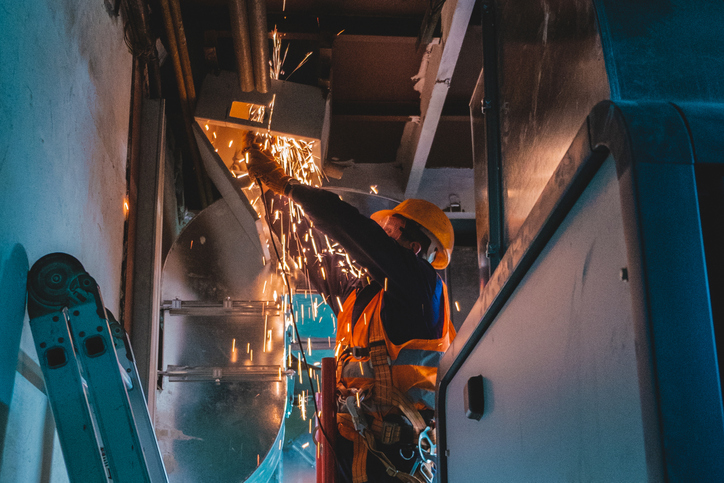
For example, you may have to repair broken furnaces in the middle of winter, when temperatures drop significantly, or repair the air conditioning of a residential or commercial building. Since no one task is the same, you’ll find an exciting and engaging career that puts your skills to the test on a daily basis.
Interested in HVAC school?
Contact NATS for more information!
Common Conduit Bending Mistakes to Avoid After Electrician College
February 01, 2022
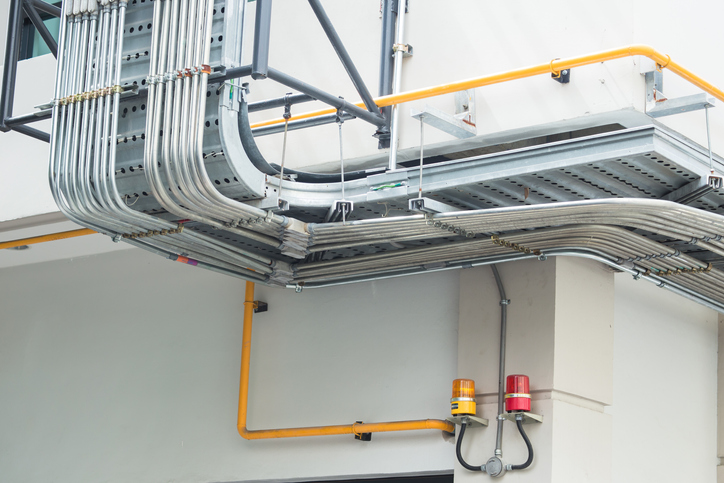
Conduit bending isn’t an easy skill to master when it comes to replacing old electrical wiring or wiring a new home. For electricians, knowing how to correctly and safely bend conduit is a major part of your responsibilities. Knowing how to bend conduit allows you to make it work around different corners, overpass permanent objects and fit many angles. By applying the right amount of pressure and conducting the proper measurements, you can make a good conduit bend.
Avoiding common conduit bending mistakes will prevent things from going wrong. Improperly bent conduits will underperform and wear out quickly. At North American Trade Schools, you’ll gain hands-on experience in conduit bending that will help you avoid common conduit bending mistakes.
Read on to learn about the common conduit bending mistakes to prepare for your trade.
Apply the Right Pressure After Electrician Training
It’s important to have precision and add the right amount of pressure in the right place of the conduit. Applying an excessive amount of pressure won’t help to bend the conduit in the way you want. In fact, too much pressure can break your tools and delay your work even further. When you add more pressure on the bending point than is needed, the conduit can either break or flatten.
Electrician training will help teach you to apply all sorts of conduit bending techniques that are required for installation and prepare you for industry work in your apprenticeship and beyond.
Avoid Using the Wrong Machine or Tool
Knowing when to use and not to use machines to do the conduit bending for you will help you a lot with your electrical wiring and avoid any delays. There are computer numerically controlled (CNC) machine benders that are considered versatile and powerful and offer great precision in conduit bending. However, they should not be used for every conduit shape or simple bends–only for the complex shapes or bends that you can’t perform manually. Through your electrician school, you’ll know when to use or not to use these machines, and how to perform manual conduit bends. When you use manually controlled machines, you will notice that you will increase your output speed and save money.
Avoid Flattening Too Much
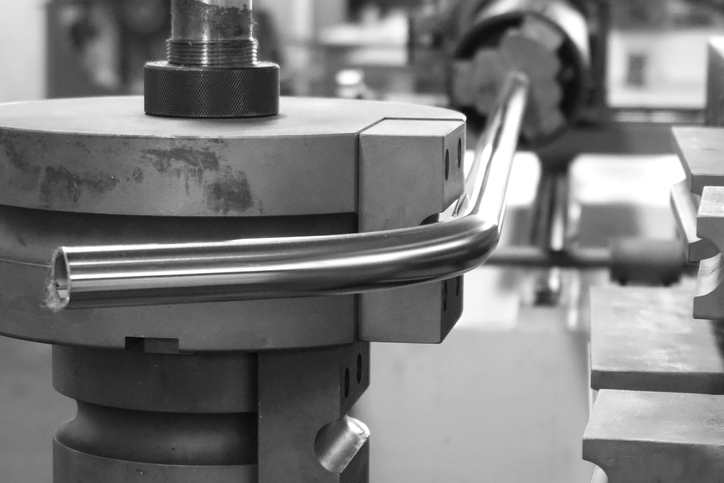
With training and experience throughout your career, you’ll avoid the mistake of flattening the conduit too much. In some instances, flattening is okay for certain job requirements–while for other jobs, too much flattening will cause serious problems when it is time for you to do conduit bending. Applying the right pressure and stress to the outside radius is key in the conduit bending process. If you apply too much pressure and stress to the outside radius, the conduit will not be able to maintain its proper shape–causing the exterior to bend in, and therefore, flatten the tube. By using less pressure and utilizing the centreline radius which provides a larger bend, you will reduce the chance of excessive flattening.
Avoid Wrinkling and Buckling
As mentioned earlier, conduit bending requires precision with the amount of pressure applied. Avoid any wrinkling or buckling from occurring by ensuring a smooth bend in the conduit. If you notice any wrinkles or buckling, the bend could cause problems down the line.

This wrinkling and buckling occurs when the cross-section of your bend is unable to support the pressure applied. This happens by using excessive pressure far from the die or by not using a mandrel tool when you should.
Interested in enrolling in electrician college?
Contact NATS for more information!
Keywords: electrician college, electrician school, electrician training
3 Signs of Non-Performance to Look for After Launching Your Home Inspector Career
January 25, 2022

Home inspection comes with a long checklist for evaluating the condition and safety of a home and putting a home buyer’s mind at ease before they make their big purchase. For an aspiring home inspector, performing an evaluation of a property’s plumbing, electrical, mechanical and structural competency is of vital importance and can determine whether a property passes the inspection or not.
At the North American Trade Schools (NATS), we provide an aspiring home inspector with hands-on training in the materials used in the construction of each house system and what to look for during a home inspection. Read on to discover the three signs of non-performance to look out for when you start your career!
1. Inspect Electrical Problems After Your Home Inspector Training
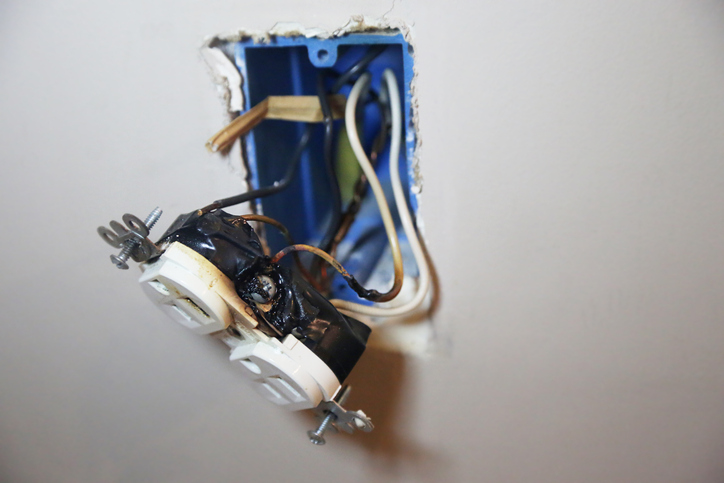
Electrical problems sometimes go unnoticed by a home buyer, and it is up to a home inspector to assess the electrical system of the house. A house with working electricity does not mean that all electrical components are up to standard. As a home inspector, you’ll have to look at electrical issues that are considered fire hazards, which include worn out electrical wiring, overloaded electrical circuits and exposed wiring. After your home inspector training at NATS, you’ll be prepared to inspect and determine the safety of electrical systems and check for faulty or missing GFCI electrical outlets, which need to be placed in all garages, laundry rooms, washrooms and any area that may get damp around the house.
2. Roofing Problems Are a Major Concern
Roofs can usually last 15 to 50 years before they start to deteriorate–depending on the material used, the weather conditions and ventilation. Therefore, a thorough roof inspection is of major importance when you become a home inspector. It will help prevent any serious issues from occurring, like pest infestation or water leaks through ceilings, and can save a homeowner time and money on major repairs down the line. You’ll be prepared to inspect roofs after completing our Home Inspection Program and identify when a roof needs repairs or replacement. Some of the signs to look out for during your inspection include cracks and rust on flashing, moisture in the attic or ceiling, loose or missing shingles and unevenness or soft areas.

3. Water Leaks Due to Plumbing Issues
Plumbing issues can be hard to identify and require a professional home inspector to thoroughly investigate the plumbing system around the property. The home inspector will be able to assess any issues or damages caused by the plumbing system installed inside the house by checking for minor leaks and rusted pipes. If you discover leaks of clogging in the pipes, you should investigate whether the plumbing around the house has polybutylene piping, broken or rusted pipes, high water pressure, galvanized pipes or sediment build-up. That way, you can make an informed recommendation on whether to repair or replace a home’s plumbing system.
Interested in starting a home inspector career?
Contact NATS for more information!

If you’ve always loved the satisfaction of putting something together with your own two hands–with a keen eye for detail–you’ll probably be a great fit for a cabinetmaking career. Cabinetmakers select wood, create and interpret drawings and operate various woodworking machinery in order to construct cabinetry of all sizes and functions. In the process of finalizing cabinet construction, cabinetmakers will typically conduct the process of lamination.
Lamination, the process of making a material more durable by using glue and heat to bind it with another surface, is important in preserving cabinets from deterioration or general wear and tear. As a cabinetmaker, you’ll implement the process of wood lamination to ensure that the cabinets you build can be used for years to come. Below, discover everything you need to know about wood lamination.
Beginning the Lamination Process After Cabinet Making School
Once you’ve completed your cabinetmaking training, you’ll be utilizing the lamination process to finish off each piece of cabinetry. However, before beginning, it’s important to correctly prepare the cabinets for lamination, as failure to do so could result in a scratched or incomplete lamination job.
Before laminating, you’ll want to sand each cabinet completely–ensuring that there are no scratches or dents on the wood. If there are scratches, consider filling them with putty in order to create a smooth, workable surface. Next, you’ll want to gather your supplies. Your main supplies will consist of veneer (thin sheets of melamine or wood) and glue. Make sure you also have on hand a roller, contact cement, an adjustable router and some eye protection. Once you find a well-ventilated area to work in, you’re ready to get started.

Applying Laminate to Cabinets
Once you’re ready to laminate, you can cut the veneer to fit the cabinet you’re working with. In order to be safe, cut it down to about a centimetre larger than your surface, as this gives you room to clean up everything when the process is complete. Next, you can remove any dust or debris from your laminate, and open your glue. Working in long strokes with your roller tool, apply the glue to both the bottom of the veneer and the top of the cabinet surface. Once each surface is thoroughly coated, you can place the veneer onto the cabinet. However, it’s important to make sure that the centimetre you’ve originally left is hanging off the edges.

Finishing Up the Lamination Job
As a graduate of cabinet making school, knowing how to properly complete the lamination process is pivotal in ensuring a neatly finished product. Once your veneer is attached to the cabinet surface, use the pressure roller to obtain a durable attachment between the two surfaces. Next, route the edges, maintaining a consistent distance between the router and the edge to keep a consistent appearance. During this step, use goggles to protect your eyes. Once you’ve routed the edges, the lamination process is complete! After letting the lamination sit, you can attach the protected cabinet fixtures to their designated location.
Are you ready to enrol in cabinet making courses?
Become an expert at this craft with a program at the North American Trade Schools.

Are you looking for a new profession? When you choose to embark on a career path as a welder, you can make 2022 your most rewarding year yet. Trained in using welding equipment and processes to combine pieces of metal, professional welders are qualified to work in the construction industry, aviation industry, and automotive industry. These professionals can even choose to operate a business of their own.
If you love working with your hands and are constantly seeking your next creative outlet, an engaging career as a welder could be right for you. Below, discover five compelling reasons to begin welding courses and transform your future in 2022.
1. Demand for Pros with Welding Technician Training is Growing
One of the greatest benefits of attending welding college is that your skills will be in high demand within the construction industry and beyond. The trades are currently facing labour shortages as the baby boomer generations inch closer to retirement. That means there will be plenty of opportunities for those looking for work in the skilled labor sector. If you’ve been considering a career change, training to become a welder is a great way to secure a successful future.

2. Choose from a Variety of Specializations
Training for a career should be a stepping stone, and with welding, that’s certainly the case. When you build the skills to become a professional welder, you’ll be able to specialize in a number of roles within the welding industry. You may choose to apply your skills within the manufacturing industry, the oil and gas industry, or perhaps work for a construction company. As a welder, you can also decide to become a boilermaker, a pipefitter, or an ironworker. No matter your interests, it’s easy to pursue them with welding training.
3. Welding is a Rewarding Profession
In addition to being extremely engaging, welding is a highly rewarding career path. After welding technician training, you’ll see your hard work pay off as you continue to develop your skill set. With dedication, there are many opportunities for advancement within the welding field. After gaining experience you can move beyond the role of the apprentice, to that of a supervisor, technician, instructor, or inspector. If you’re particularly passionate, you might even consider opening your own welding business!

4. Benefit from an Active Career
With the hands-on work and exciting opportunities that accompany a welding career, you’ll have the ability to maintain an active lifestyle while on the job. As a certain level of physical fitness is required to keep up with the demands of the job, most welding professionals are able to stay in shape for a long time–contributing to a healthy lifestyle. If you’re looking for an alternative to a typical office job or a non-sedentary career path, welding is the perfect way to keep on top of your health and fitness, while rarely sitting for hours at a desk.
5. Be Career-Ready in a Short Period of Time
If you’re all set to plan your transition to a welding career, you’ll be happy to know that not only is this a rewarding profession, but you can obtain your welding diploma and certification in a matter of months. At NATS, students receive hands-on and theoretical training in the welding field, preparing them to enter the industry as skilled professionals. So why wait? Take the leap and embark on a career path in welding in 2022!
Are you ready to begin your welding classes?
Contact NATS to learn more about our program!
Signs of Retaining Wall Damage to Look Out for After Home Inspector Training
December 28, 2021

As a home inspector, you’ll be able to identify any issues facing a house buyer as you help them to make informed decisions about their prospective home. One issue home buyers usually face is the issue of retaining walls, and as a home inspector, it will be up to you to look out for the signs of retaining wall damage. Retaining walls are designed to support soil from drifting downwards–which if ignored, will create extensive damage in landscaping and lead to costly repairs.
At North American Trade Schools (NATS), we provide you with training in the skilled field of home inspection. Our training programs equip students with the most current theoretical and practical training required to become successful in the field. Read on to discover what signs to look out for in retaining wall damage when you become a home inspector.
Watch Out for Bowing or Cracking
As a home inspector, you’ll be able to identify common retaining wall damages when inspecting a property. Some of these signs may include cracking, bowing, leaning, bulging, and buckling. Identifying these problems requires the proper hands-on training, which NATS can provide through our home inspector training program, in which you’ll learn under experienced instructors and inside real world labs that simulate a working environment.
Our training program will prepare you to identify these signs of retaining wall damage and provide you with the expertise to advise home buyers on when it’s time to retrofit the wall with anchor bolts to prevent the wall from collapsing.

Become a Home Inspector and Identify Poor Drainage That Saves Home Buyers Money
One of the main signs of retaining wall damage is poor drainage. Weep holes are small holes that facilitate the flow of water after rain, and if these holes are clogged due to draining aggregate or improperly graded soil, they result in poor drainage. The hydrostatic pressure that builds up behind the retaining wall will end up saturating the soil, and the retaining wall itself will eventually break, as it won’t be able to handle such a heavy load build-up. When you become a home inspector after graduating from a training program, you’ll be able to predict and assess any issues that may arise with the retaining walls.
Poor Quality and Lack of Reinforcement is a Bad Combination for Retaining Walls
When you choose a career as a home inspector, you should always have the home buyer’s best interest at heart. By making careful assessments and recommendations, you can save your client a lot of money in the long run. Sometimes, retaining wall damage can occur due to improper use of materials, a lack of reinforcements, or both.

When the retaining wall is built using cheap methods to cut corners, such as the use of a poor concrete mix or improper steel reinforcement, the wall will be unable to handle the expected load it was designed for.
When you attend the home inspection program at NATS, you will become an expert in identifying faults due to old age, deferred maintenance, weather damage, and poor workmanship. At the same time, knowing how to remedy these problems will help to distinguish your skills in the field of construction and home maintenance.
Interested in starting a home inspector career?
Contact NATS for more information!
In Home Renovation School? Check Out These Popular Renovation Trends in 2022
December 21, 2021

There are always new and upcoming trends in home renovation that reflect various aspects of social life at the time. In the 1940s, sentimental designs such as delicate floral trends and ruffled drapes replaced the previously common cooler accents to help homeowners shift gears after the war years. In the 1960s, the trend shifted to more clean lines throughout the home, seen in framing and upholstery trends, which reflected the movement of “less is more” that became common in this decade.
While you can surely identify certain trends from decades passed, they often cycle and once again become popular in home renovation. If you’re considering a Home Renovation Technician Diploma Program, you will learn the skills needed for carpentry, electrical, plumbing, painting, and more. Read on to discover the home renovation trends for 2022 and how you can utilize them once you start your career.
Sustainable Materials Are on Trend to Become More Widely Used
As the world becomes more aware of the heavy environmental impact our lives have on the planet, homeowners are opting to use more sustainable materials such as cork, reclaimed wood, recycled plastics, and more. Whereas in the past these materials were seen as less reliable, the public is beginning to understand the reality of these materials that are designed for longevity and functionality.
Throughout your home renovation training, you will get to participate in a number of labs that introduce you to important tools such as the table saw, miter saw, drill press, band saw, and more. Understanding how to use these tools, along with which materials they work best on, will help guide you as you decide to use these trending sustainable materials as you renovate the homes of your future clients. These hands-on skills, as well as the guidance you will receive from your career training at NATS through mock interviews and job market searches, will set you up for success as you enter the job market well-prepared.

Large Entertainment Spaces to Satisfy Both Parents and Kids
Over the last couple of years, homes have become much more than a place to eat and sleep. Individuals and families now spend more time at home ever since the start of the pandemic, needing dedicated spaces to work, relax, play, and socialize. 2022 trends will see an increase in these dedicated spaces that allow both adults and children to find space to entertain themselves.
Successful construction projects that create these types of spaces depend on accurate calculations. When you pursue a home renovation diploma, you will complete a course designed to help you master basic and construction mathematics–ensuring the success of future jobs. Combining these skills with the practical experience you will acquire in your Material Estimating and Cost Analysis course will help you complete each construction job with accuracy as you navigate the cost of materials and bring your plan to life.

Create a Playful Yet Elegant Style With Art-Deco Patterns After Home Renovation School
After you decide to attend home renovation school, you will want to get an understanding of the whole picture for your home renovation jobs, including decor styling. Trending in 2022 are the art-deco patterns, which were born post-WWII and offer a sense of optimism and hope for the future as individuals are willing to embrace these bold, new ideas.
Your diploma program will place emphasis on the fields of basic plumbing, carpentry, cabinet making, and stair and roof construction, as well as interior and exterior finishes. These are all important aspects of pulling together a home renovation project and will help make your full vision come to life.
With various payment options, rolling start dates, and a focus on hands-on, practical training, our home renovation technician training will give you the flexibility you need to complete your projects in no time.
Are you ready to become a home renovation technician?
Contact North American Trade Schools (NATS) for more information![/vc_column_text][/vc_column][/vc_row]
Why to Consider Becoming an Electrical Service Technician After Electrician College
December 14, 2021

If you like working with your hands and have a knack for handling electrical issues, then you should consider becoming an electrical service technician. It is a dynamic career that offers the potential to develop specialized skills that you can apply to many different industries and settings.
At North American Trade Schools, we offer a Construction & Maintenance Electrician Pre-Apprenticeship Diploma program for aspiring technicians looking to explore a skilled trade in a cutting-edge industry. The program will prepare you to become an electrical service technician, as you develop practical skills while studying the theoretical principles of electricity. Read on to find out why you should consider becoming an electrical service technician today.
No Day Is the Same While on the Job
Electrical service technicians will enjoy the challenge of solving a variety of electrical issues across different settings. You’ll be responsible for diagnosing and troubleshooting any electrical problems relating to commercial, residential, and industrial equipment. In the process, you’ll use diagnostic tools (such as multimeters and signal generators), refer to schematics and wiring diagrams, and repair loose or damaged electrical wiring. As you apply your skills to different projects, your duties can take you to different settings based on the company and industry you work in. By attending an electrician school, you’ll develop a diverse skillset in residential wiring, service installation, code interpretation, conduit bending, print reading, and the principles of electricity.

Join a Practical Profession After Electrician School
Knowledge and experience go hand in hand at an electrician college, like NATS. Students have access to state-of-the-industry campuses with ample opportunity to gain experience using modern equipment in the electrical industry today.
Through a hands-on learning approach, you’ll be ready to design, develop and test a variety of different electrical components and systems in your career. At the same time, you can apply your practical skills to diagnosing and operating specialized equipment. Throughout your career, you’ll also be expected to interpret electrical blueprints and have the expertise to advise clients on the use and safety of certain equipment. With a practical skillset, you can offer a valuable service to homes and companies across different industries.

Exciting Potential for Growth
For an aspiring electrical service technician, earning a diploma in the trade is the best way to improve your job prospects in the field. As an electrical service technician, you can specialize in various types of electrical systems across different sectors. Most industries today rely on service technicians to ensure their operations run smoothly and efficiently. These sectors range from media and government to electrical utilities, wholesale trade and computer services. As technology continues to advance in the modern world, we’ll see a growing demand for skilled professionals who can maintain these new systems.
Are you interested in kickstarting your career with electrician training?
Contact NATS to learn more about our program.
Taking Welding Classes? Why You Should Consider Pursuing an Apprentice Boilermaker Position
December 07, 2021

The best way to learn a trade is through hands-on experience in the field. This allows you to be job-ready, skilled, confident, and assume control of your choice of career path. An apprentice position is the key to establishing yourself as a skilled tradesman. It provides you with the necessary tools, skills, and credentials to get the job done–in different places–and within different settings. Studying theoretical concepts and knowledge is valuable, but especially so when combined with real-life training.
If you’re considering learning a trade, such as welding or are already learning one, a Boilermaker Apprenticeship opportunity is the way to go along with it. Read on to learn more.
Welding Technician Training That Makes a Difference
Welding Technician training prepares students for opportunities like an Apprentice Boilermaker position. At NATS, students have access to state-of-the-industry campuses providing ample opportunity to gain critical welding experience, while using modern equipment in welding processes.

Our Structural & Pressure Vessel Welder Diploma Program will provide you with the knowledge and skills needed to set you on the right path as an apprentice and towards a fulfilling career with many opportunities.
No Day is the Same as a Boilermaker Apprentice
If you are looking for an exciting and fulfilling career, an Apprentice Boilermaker position could be the right choice. As an apprentice, you will experience different working conditions and develop essential skills that will propel your career towards succeeding at any work-related job site. Some of these skills include installation, maintenance, repairing, and troubleshooting when using stationary industrial machinery and mechanical equipment. You gain expertise in operating hoisting and lifting devices, which include jacks, tractors, cranes, and many more. You’ll get to learn to work on the ground, as well as a hundred feet above the ground, using heavy machinery that weighs by the tonne.

Welding classes at NATS will prepare you for the working conditions you will experience as an apprentice–such as tight spaces, and in varying climates, ranging from scorching heat to freezing cold weather.
Plenty of Career Opportunities at Your Fingertips
Graduates of our program have gone off to pursue a variety of career paths, holding many different job titles including: an Apprentice Boilermaker, Apprentice Welder, Construction Millwright Apprentice, and more. The skills you will acquire during your program, and as an Apprentice Boilermaker will equip you to work on: pressure vessels, storage tanks, boilers, towers, heaters, steel, and more. You will also have the opportunity to work at different job sites, such as oil refineries, nuclear power plants, pulp and paper mills, and gas generating stations.
Are you looking for a welding college that will provide you with the skills needed to thrive on this path?
Contact NATS to learn more about our program.
Why Customer Service Is so Important for Professionals in a Home Inspector Career
November 30, 2021

It’s hard for a business to stall in growth when the customer service is outstanding. Providing excellent customer service is one of the best ways to both attract and retain customers. Consumers are generally busy, and want their needs met with ease so they can move on to the next project on their list. When you treat each customer with the value and respect they deserve, they are happy to pay for your services.
Home inspections often come during stressful times while moving or renovating homes–creating a snowball effect of projects and to-do lists for the customer. Remaining professionalism and reaching compromises–even with the most stressed out and difficult customers–may help you retain their business. No matter the situation, customer service that exceeds expectations is essential for a successful home inspection business. Read on to learn the benefits of a great customer service plan.
Better Understand the Local Market
When you take the time to learn about the local market, you can better serve your customers while growing your home inspector career. To develop an effective, solid plan of action with each client, you need to determine how the local real estate market is operating.
It’s best practice to spend some time to figure out what types of clients are buying and selling in your area. Gaining insight on these individuals will help you better serve your existing clients–making sure their homes attract the right buyer by ticking all of the boxes. Taking a look around the local market will also help you become familiar with common problems that are found in each neighborhood so you can properly prepare. Going this extra mile in your customer service will relinquish any unnecessary worries your clients may have–creating a smooth overall experience.
Retain Clients When You Become a Home Inspector
A huge benefit of excellent customer service is an increased client retention rate. Generally, the cost of acquiring new customers is more than the cost of nurturing existing relationships–making client retention a great priority to have. Real estate agents are often mutually beneficial clients, as they are constantly viewing homes that may need inspections and would benefit from an ongoing relationship with you when you become a home inspector.
The best way to retain these customers is by displaying great customer service. When a client knows that they are truly getting the service they are paying for, and feel valued and respected in the process, they will keep coming back.
Focus on fostering these relationships with existing clients by making sure they’re fully satisfied with every step of the project, and asking how you can better serve them. Keep an open line of communication with your client list, follow up with them throughout the process, and always make sure they feel valued with your time and commitment to them individually.

Serve People First for Success
Serve people first, and your business second. A successful business never loses sight of being human. Above all the projects and business plans, you are serving other humans who want to feel a personal connection to what they’re paying for, making sure it’s the right purchase for them.
Some businesses lose sight of this personal touch as they strive to be ever more efficient, reliable, fast, and affordable. When it comes down to it, many consumers would gladly pay more for great customer service, knowing that the business cares about their satisfaction and is taking care of their needs.
Lead your projects with your skill and knowledge, and really “wow” the client with your kindness and genuine desire to help them in their journey to a better home. When you display your mastery of home inspection and careful consideration for each client’s needs, you will be giving the highest level of customer service they could ask for.
Interested in starting home inspector training?
Contact NATS for more information!