Author: toppyhem
Popular Kitchen Designs to Know if You’re Considering Home Renovation Training
November 23, 2021




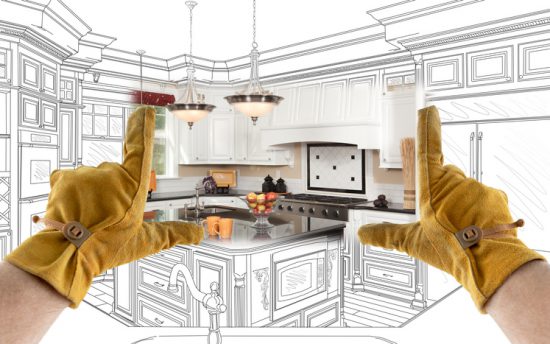
The ways in which homeowners are choosing to design their kitchens has shifted, and not without good reason. In 2021, the popularity of home renovations rose significantly–with more families working from home, staying home more often, and seeking to make their living space as comfortable and appealing as possible. This means kitchen concepts were reevaluated, bringing a whole host of changes to the renovation scene. While all-white kitchens and farmhouse style kitchens seem to be a thing of the past, there are plenty of new popular design trends which are likely to come to the forefront in 2022.
If you’re seeking a career as a home renovation technician, familiarizing yourself with the kitchen designs you’re likely to see in the future will help you to deliver the types of services your clients are looking for. Below, discover some popular kitchen design trends altering the renovation industry.
Taking Home Renovation Training? Colourful Kitchens are In
While all-white and monochrome kitchens were popular in the past, recently it’s been all about colour. Today, homeowners are gravitating towards bolder, more exciting colours in order to make their living spaces more interesting. After home renovation training, you might create a colourful kitchen space for clients expressing an interest in the look by incorporating contrasting shades into your designs. Black appliances might be paired with cabinets of deep green and yellow, or white tiles could be used as a backdrop against a colour scheme of blue. Whatever the case, it’s likely that you’ll continue to see colourful kitchens throughout your home renovation career.

Functional Storage and Technology
Another kitchen design trend that’s likely to dominate the future home renovation scene is that of functional design. Homeowners are increasingly looking to optimize their kitchens in order to store appliances and make room for the technology they use around the house. A more functional space is a more liveable one, and as we’ve all spent more time inside in the past year, liveability has become increasingly important. During your home renovation career, consider incorporating smartphone-controlled lighting, USD compatible electrical plug-ins, and more technologically advanced appliances. As for storage, think about including larger drawers to hold appliances and cabinets fitted to conceal large items . This will please clients by making more space for clearer countertops and a more functional kitchen space.
Industrial Style with Upgrades
Although industrial style is a trend that’s on its way out, a new take on industrial style kitchens seems to be moving in. Industrial style kitchens are characterized by their “factory” appearance, using statement light fixtures and open floor plans. However, homeowners today are seeking to mix it up, adding metallic accents to their kitchen cabinet doors and using innovative light fixtures to make their industrial kitchens look more sophisticated. Once you become a home renovation technician, you’re likely to be performing some upgrades to the industrial style kitchens of yesterday.

Overwhelmed? Tips for Keeping Up with Kitchen Design Trends
If you’re entering the home renovation industry, it can be difficult to keep up with the constant changes in design styles and trends, especially when it comes to the ever-mutable kitchen. However, there are a few things you can do in order to stay ahead of the game. For one, make sure to always choose quality materials when remodeling kitchens. These materials are less likely to go out of style, and will last for longer. Additionally, choose an open floor plan over a closed-off room. Open floor plans are more likely to give kitchens a liveable quality which will outlast the influence of passing trends, helping homeowners to stand the test of time with the designs they choose.
Ready to enrol in home renovation school?
Become an expert in all things remodeling with a program at the North American Trade Schools.

If you love expressing yourself artistically through woodworking, a career in cabinetry could be right for you. Cabinet making is a craft that’s been around for centuries, and building the skills necessary to master this art is no simple task. Cabinet makers specialize in the hands-on process of working with wood to create unique and durable pieces of furniture, including: shelving, cabinets, tables, and more. These professionals are experts in selecting the right materials, tools and finishes to turn a design into a usable product. In order to do so successfully, they typically have a few important qualities. If you’re interested in cabinet making training, keep reading to discover more on these qualities!
1. Professionals with Cabinet Making Training Are Attentive to Detail
Cabinetry is all about precision, from the angle at which the wood is cut to applying the finishing touches to a unique design. Professionals with cabinet making training know how to keep track of each detail of their project–ensuring that upon completion, each different element will seamlessly fit together to create a durable, usable structure. Great cabinetry is all about high quality, and the quality of your products will be enhanced when you’re able to pay attention to even the smallest of details.

2. Good Time Management Skills
Have you always been good at managing your time well? This is a great skill to have if you’re interested in a career in cabinet making. Cabinet makers often work on many different projects at a time, some involving time constraints around their completion. In order to succeed in the cabinetry business, it’s important to be able to organize your time in a realistic and productive manner–ensuring that you’re setting aside enough time to complete each project.
3. Solid Knowledge of Cabinetry Tools
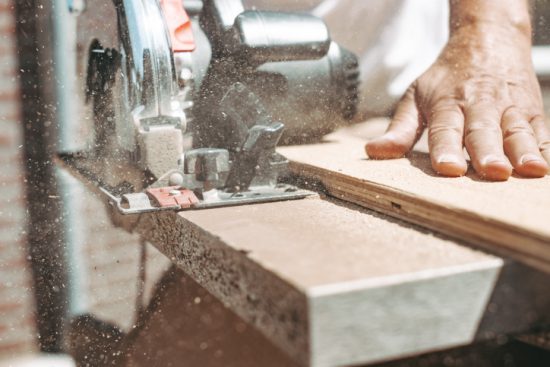
Behind every successful cabinet maker is a strong working knowledge of the tools and equipment used to create quality products. During cabinet making school, you’ll gain experience using carpentry tools such as table saws, drill presses, planers, joiners, band saws, shapers, and more. You’ll also become comfortable with different power tools that will improve your efficiency.
4. Successful Cabinet Makers Are Adaptable
Throughout your career in cabinet making, you’re likely to work with a number of different clients–each with their own ideas and vision for the style and function of the furniture they’d like to commission. In order to ensure the satisfaction of your clients, it’s important to remain adaptable and open to feedback and new ideas. If you’re able to successfully accommodate your clients’ requests, you’ll be more likely to succeed in building a loyal customer base.
5. A Strong Work Ethic
It’s no secret that success in the cabinetry industry takes a strong work ethic. Cabinet makers work hard to turn a project from a drawing to a functional piece of furniture. When it comes to this artisan craft, there are rarely opportunities to cut corners–as clients are expecting a high-quality product. If you’re a dedicated worker who’s passionate about what they do, then you’ll be likely to succeed as a cabinet maker.
Thinking of enrolling in cabinet making courses?
Launch an exciting future with a program at the North American Trade Schools!
3 Specializations to Explore After Completing Your Electrician Training
November 09, 2021

Is a career in the electrical industry right for you? If you’re a great problem solver and are always up for a challenge, a career as an electrician might be right for you. Electricians work either alone or in teams to maintain, install, and repair electrical systems. While all electricians work with these systems, there are actually many different types of electricians within the industry. With the skills they have in wiring, service installation, and more, electricians can specialize in a variety of different electrical work. If you’re considering training to become an electrician, explore the specializations which may be available to you upon getting your certification below.
1. After Electrician Training, You Can Become a Maintenance Electrician
After completing electrician school and getting your certification, one of the career paths you might consider within the electrical industry is that of a maintenance electrician. Maintenance electricians are responsible for the installation and maintenance of the electrical systems which facilitate the operation of factories and plants. These professionals are experts in the electrical aspects of heavy machinery and equipment, large power grids, and general utility electronics.

On a day to day basis, maintenance electricians will make routine inspections of machinery and equipment, and identify any repairs or replacements necessary. They’ll conduct repairs, make sure the electrical systems and components are aligned with provincial and national codes, as well as ensure that everything is functioning to ensure the efficient operation of the plant or factory. If you’re interested in an engaging career path within the electrical industry, becoming a maintenance electrician could be right for you.
2. Consider a Career as a Construction Electrician
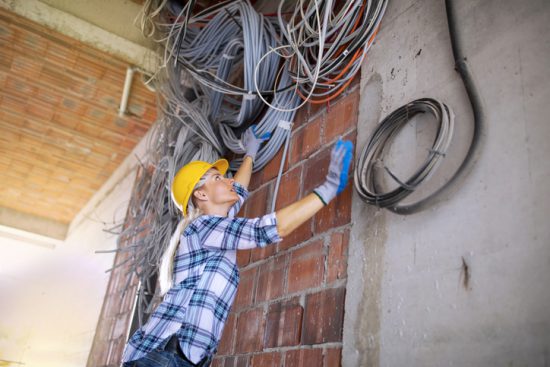
If you’re interested in tackling larger projects throughout your career as an electrician, you may want to specialize within the construction industry after your electrician training. Construction electricians work to install electrical systems within newly constructed buildings, or buildings which are undergoing significant renovations. These professionals are experts in building codes and safety procedures–enabling them to safely install wiring and electrical components within a structure. These professionals may work closely with engineers and other professionals working at a construction site. These parties will collaborate in order to ensure that electrical systems are not only installed accurately and efficiently, but also meet the requirements of the projects. Construction electricians may interpret blueprints and architectural drawings, and use their strong communication skills to troubleshoot problems with other professionals on the project.
3. Explore a Career as an Electrical Inspector
With construction and maintenance electrician training, you can build the necessary skills and expertise to become an electrical inspector after some years of experience. Electrical inspectors don’t work directly with electrical components and systems. Rather, they conduct examinations within the construction industry–making sure that the systems within new structures are up to code and safety regulations. They may also inspect the electrical systems of older homes if a renovation is being done or the house is up for sale.
With their keen eye and expertise, these professionals will monitor wiring on construction sites, approve new plans for installation, and document their inspections thoroughly. If an electrical inspector notices any mistakes or problems, they have the authority to stop work on a project. If you’re passionate about electrical work but are looking to apply your skills in a manner different from hands-on work, a career as an electrical inspector could be right for you!
Are you ready to enroll in electrician college?
Build the skills you need for a successful career at the North American Trade Schools.
Considering HVAC School? 4 Advantages to Choosing a Career as an HVAC Technician
November 02, 2021

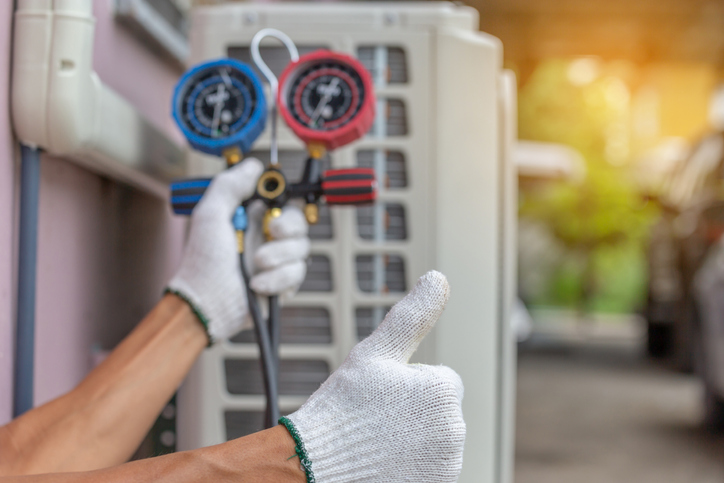
HVAC technicians are experts in HVAC (heating, ventilation, and air conditioning) systems, conducting installations, repairs, routine maintenance, and more. They may work with commercial, residential or industrial air conditioning systems, refrigeration systems–as well as systems of combined heating, ventilation, and cooling. After completing your HVAC training, you’ll be able to perform a range of duties, including the assembly and installation of different system components (vales, gauges, condensers, compressors, evaporators, etc.), and troubleshooting of HVAC systems to identify leaks or other issues. You’ll also perform maintenance tasks such as parts replacement, system calibration, and refrigerant refills.
If you’re considering a career as an HVAC technician, you might just be ready to start your training after learning about the advantages of this career path. Below, discover four of them!
1. HVAC School Graduates are In-Demand in Ontario
If you’re considering HVAC school, there’s never been a better time to enrol. According to JobBank Canada, job opportunities for HVAC technicians in Ontario will be good over the next three years, as retirements create new availability and employment growth creates new opportunities for work. Ontario’s construction industry is growing, and HVAC technicians will be needed to install and maintain the commercial and residential systems for each new structure. Thanks to investments in public facilities and commercial developments, HVAC technicians may also be able to find work supporting industrial projects.
2. HVAC Technicians Benefit from a Dynamic Career
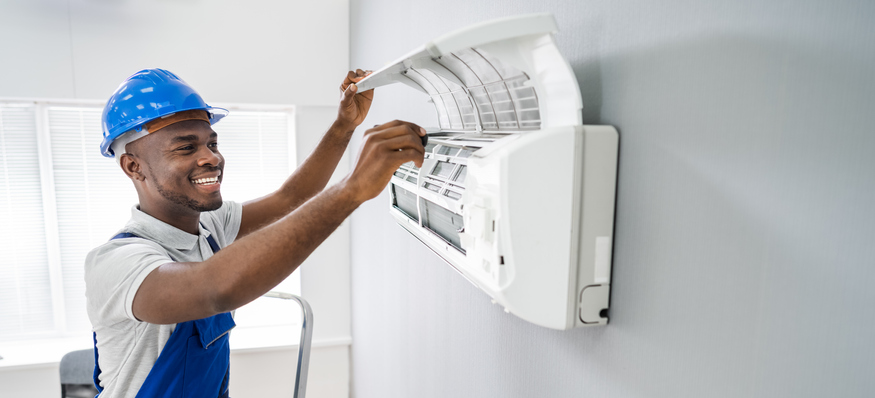
As an HVAC technician, your job will never be boring. HVAC technicians benefit from the ability to perform many different kinds of work throughout their career, depending on their interests and whether they choose to specialize in a particular sector of the HVAC industry. HVAC technicians may work with fireplaces, furnaces, pool heaters, heat pumps, boilers, and refrigeration systems. What’s more, there are many advancements in technology making the work of HVAC technicians increasingly interesting. Smartphone-controlled heating and cooling systems, solar-powered air conditioners, and other innovations are continuing to shape the industry, promising an exciting future for HVAC technicians.
3. Grads of HVAC College Are More Active
Once you become an HVAC technician, you might be surprised by the benefits of the work to your physical health. Graduates of HVAC college have a highly active job, working both indoors and outdoors and travelling between different project locations. Rather than sitting around at a desk all day, you’ll be earning all the health benefits of a job where you’re constantly moving, such as a reduced risk of cancer and reduced risk of heart disease.
4. As an HVAC Technician, You Have Many Work Opportunities
Once you become an HVAC technician, you don’t need to be restrained by a strict work schedule or an unvaried work environment. In fact, there are many different opportunities for work within the HVAC industry. As a technician in this trade, you may be employed by an HVAC system installation contractor, and you may also find work in different industrial settings, such as: engineering firms, retail, food wholesalers, and other operations. Additionally, after gaining experience in the field, HVAC technicians may choose to open their own business, installing, repairing, and maintaining HVAC systems for various clients and creating their own schedule. If you’re looking to enter a field where you’ll never get bored, becoming an HVAC technician might be right for you.
Ready to enroll in HVAC technician courses?
Launch your career with a program at the North American Trades Schools today!
How to Assess Home Heating Systems After You Become a Home Inspector
October 26, 2021
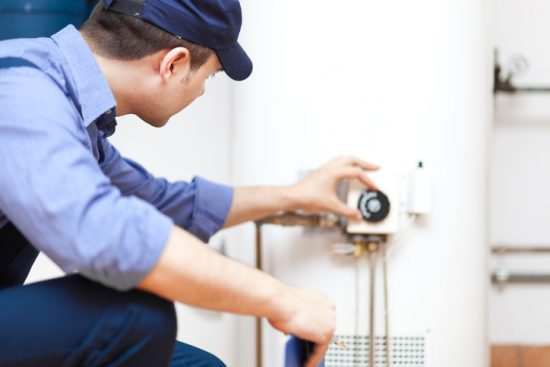
If you’re seeking a career as a home inspector, you’ll be helping buyers to get a good idea of the condition of the house they’re about to purchase. During your home inspection career, one important part of the home you’ll be assessing is the heating, ventilation, and air conditioning (HVAC) system. HVAC systems can be expensive to repair or replace, thus making it important for prospective homeowners to determine whether these systems are in good working order. Below, discover some tips to help you properly evaluate heating and ventilation systems within a home throughout your career as a home inspector.
After Home Inspector Training, Conduct a Visual Assessment First
Once you become a home inspector, the first thing you’ll want to do when beginning to inspect a home’s heating and ventilation system is to perform a visual assessment of the system itself. In most cases, a visual assessment can be very informative about the condition of the system itself. A visual inspection will allow you to flag any superficial problems, in addition to determining the system’s age and general performance. During your visual assessment, check the condition of the air filters–ensuring that they aren’t clogged with debris. Additionally, inspect the internal areas of the system to determine whether there’s a buildup of soot. If there’s an excessive amount of dust and soot, this can negatively impact the efficiency of the system. Lastly, inspect the blower motors and the fan belts, as these components may need to be replaced if they show significant signs of damage.
Perform Test-Starts to See How the System Operates
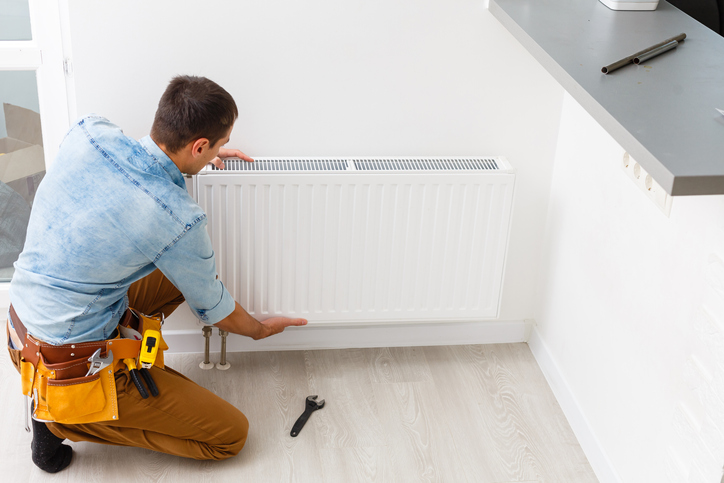
Once your visual inspection is complete, you can move on to test the performance of the HVAC systems. First, you can test-start the furnace to ensure that the temperature is correctly reflected on the thermostat, and that the furnace is firing properly. This test shows how the furnace is performing–helping future homeowners to know whether the right amount of heat is being delivered into the home. Next, you can check the safety switches within the system to ensure that they’re functioning correctly. Without working safety switches, homeowners are at risk of their heating system expelling pollutants into their air in their home. When these tests demonstrate that the furnace, thermostat, and safety switches are working properly, the heating system can be deemed both healthy and efficient.

Look Out for These Common Issues
As a professional with home inspector training, being familiar with common heating system issues can help you to catch a problem that might otherwise be overlooked. When it comes to heating system components, there are a few that will probably need replacing if an inspection hasn’t been conducted in a while. Air filters, belts, coils, valves, fan motors, compressors exchangers, and fuses are all examples of components which have a shorter lifespan than the system itself. When these are replaced, the longevity of the heating system will typically improve. Another set of issues to look out for are frequent cycling, a lack of heat, or too much heat coming from the furnace. These problems can indicate that the thermostat settings need to be adjusted, that the filters are clogged, or that there is insufficient airflow. During your home inspection career, look out for these issues in order to keep prospective buyers as informed as possible!
Ready to launch your home inspector career?
Get started with a program at the North American Trade Schools today!
5 Safety Tips to Keep in Mind Once You Become a Home Renovation Technician
October 19, 2021

If you’re about to launch your career as a home renovation technician, there’s no skill more important than knowing how to stay safe when completing a renovation project. Home renovation technicians are experts in all things home renovation–including carpentry, interior and exterior finishing, cabinetmaking, plumbing, stair construction, electrical systems, painting, and more. When renovating a home, there are many safety hazards to be aware of at all times. By taking the proper precautions, you can avoid suffering unnecessary accidents and injuries throughout your career. Below, discover five safety tips to keep in mind as a home renovation technician.
1. After Home Renovation Training, Keep Your Workspace Organized
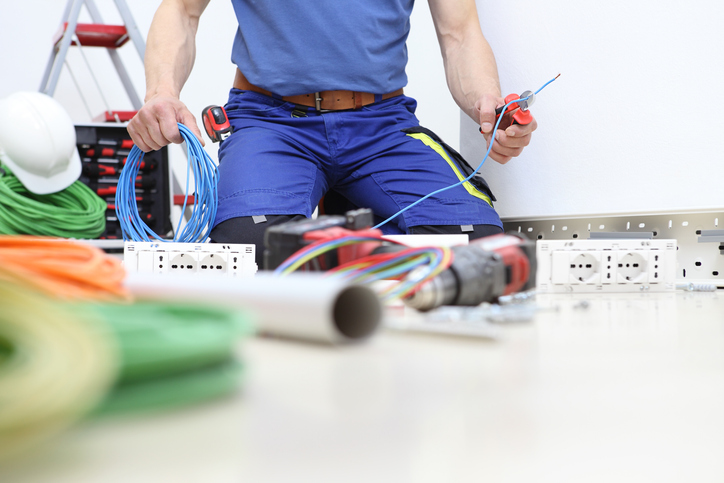
Once you become a home renovation technician, one of the most important safety practices to follow is to maintain an organized workspace. When working to complete home renovation projects, it’s likely that you’ll occasionally be using dangerous tools and equipment–such as saws, nails, and more. In order to avoid an accident during your career, it will be crucial to keep the workspace around you organized. Make sure to properly store blades, drill bits, and cutters, and avoid letting power cords get tangled. A clean and organized workspace allows you to know where your tools and equipment are located at all times. This helps to prevent you from an accidental encounter with a dangerous tool or piece of equipment.
2. Have a Safety Kit On Hand
Every home renovation technician should prepare a safety kit to have on hand at all times while on the job. In the event of an emergency, having a well-stocked safety kit can prevent further injury and reduce harm caused by accidents on the job. Before completing any home renovation project, make sure your safety kit includes first-aid materials, such as: bandages and disinfecting wipes, as well as gauze, burn dressing, and anything else you might need in the event of an injury.
3. Wear Protective Equipment
After completing your home renovation training, it’s important to dress for safety when working on the job. When handling a home renovation project, wearing the proper protective clothing will work to reduce the harm that an accident might incur. As a home renovation technician, you should wear long-sleeved clothing, sturdy work boots and protective gloves during any job. If working beneath a construction area, wear a hard hat, and use safety glasses when working with power tools and equipment. Lastly, wear a face mask if your workspace is dusty, or if you’re handling chemicals such as varnishes, solvents, or preservatives.

4. Use Caution When Working with Ladders
When using a ladder to access a roof or out of reach area, never forget to ensure that it’s positioned correctly before stepping on it. Make sure to keep the ladder rested on a solid flat surface, and keep your weight centered as you climb up it. Lastly, avoid standing on the top two rungs of any ladder. If you need more height, use an extension instead. Following these practices will help you to avoid falling when using a ladder as a home renovation technician.
5. Keep Ventilation in Mind
During your home renovation technician career, you’ll want to make sure that your workspace is kept well ventilated, especially when working with hazardous chemicals or materials. If your workspace is poorly ventilated, you may be at a higher risk of exposure to hazardous fumes. Additionally, it’s important to keep ventilation in mind when sanding, as breathing in residual dust can be damaging to your lungs. If it’s not possible to safely ventilate your workspace, make sure that you wear a certified respirator or dust mask.
Are you interested in home renovation school?
Launch your career today with a program at the North American Trade Schools!
How to Craft a Great Resume After Completing Electrician Training
October 12, 2021

If you’re about to complete your electrician training, you’re probably gearing up to apply for jobs in the electrician industry. While the job application process can seem intimidating, once you know how to put together a great resume, you’ll be able to succeed in launching a rewarding career. During your training, you’ll have built the skills and gained the qualifications necessary to perform a variety of tasks as a construction and maintenance electrician. Not only should your resume reflect that you have what it takes to be an asset to any organization within the industry, but it should help you to stand out amongst other candidates and catch the attention of potential employers. Below, discover a few tips that will help you to create a strong, industry-aligned resume as a future electrician.
After Electrician Training, Don’t Forget to Format Your Resume Correctly
When putting together your resume, one of the biggest mistakes you can make is to neglect to format your resume correctly. When searching for the right candidate, employers may look over hundreds of resumes in a short span of time. Thus, your resume should be formatted in a way that makes it easy for a potential employer to read. When formatting your resume after electrician training, make sure to include a header that includes your name and contact information, followed by clearly labeled sections. Within each section, there should be clear spacing between separate items, and bullet points should be used when listing details such as skills or descriptions of activities and experience.

Include a Summary of Your Qualifications
The goal of your resume is to catch the attention of potential employers, and there’s no better way to do this than with a brief summary of your skills and qualifications at the top of the page. Including a summary of your qualifications gives a potential employer an idea of who you are as a candidate, and lets them know why you’re qualified for the position you’re seeking. Depending on the job description, you can tailor your summary to highlight what makes you a good fit for the particular position.
Detail the Skills You’ve Gained in Electrician Training
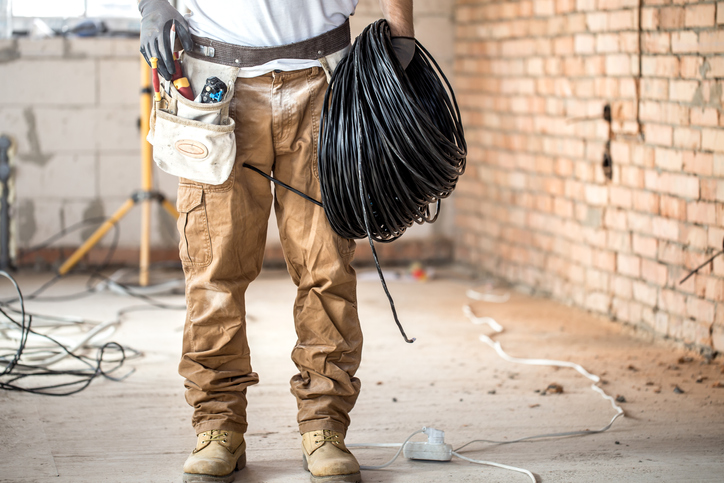
Within your resume, you’ll also want to include a list of the skills you’ve built in electrician training. Including a list of skills will help employers to identify why you’re qualified for a particular position, and verify that you’re well-trained as a future electrician. It is important to make sure your details are results-oriented–to show what kind of skills you can offer. Skills to consider putting on your resume might include residential wiring, code interpretation, print reading, conduit bending, service installation, machine control repair, and more.
Tailor Your Resume to the Job Listing
After completing your training at electrician college, it can be tempting to send the same resume to each position you apply to. After all, the job application process can be plenty of work. However, it’s crucial to tailor your resume to the specific job you’re applying for. You’ll want to make sure that the skills and qualifications you’re including in your resume are those which align with what the employer is seeking. Using keywords listed in the job posting can help you make your resume more specific to the position you’re applying to. Tailoring your resume will help employers to recognize how your specific skills and qualifications make you a great fit for the job at hand, increasing your chances of success in the process.
Are you ready to enroll in electrician school?
Launch your career with a program at the North American Trade Schools today!
If You’re Enrolled in HVAC Technician Courses, Discover 5 Signs of Low Refrigerant in a System
October 07, 2021
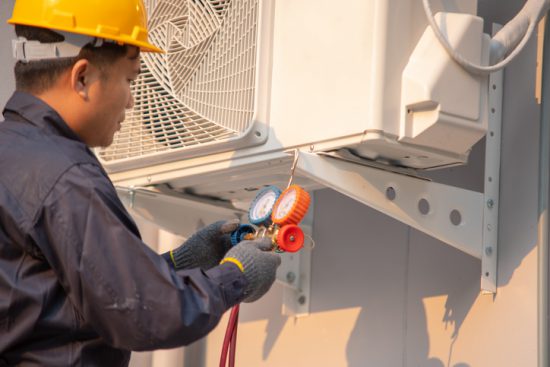
If you’re considering becoming an HVAC technician, you’ll be launching a career as an expert in the field of heating, ventilation, and air conditioning systems. Your expertise will enable you to perform services for clients such as installing HVAC systems, maintaining and repairing the systems, and troubleshooting problems within these systems. When servicing air conditioning systems during your career, one of the most common problems you may encounter is a low level of refrigerant within the system.
Refrigerant, a compound which absorbs heat from the surrounding environment, is essential to the smooth operation of an AC system. Within an AC system, refrigerant is stored inside copper coils–taking in heat from the air in a home or other indoor space. The refrigerant is then distributed through the condenser and compressor, where it is converted from liquid to gas to liquid. The resulting hot air is blown outside, while another fan blows air over the cold coils containing the refrigerant and into the building. Given the importance of refrigerant in the distribution of cold air, when refrigerant levels are low, an AC system’s performance will be negatively affected.
When refrigerant levels are low, it’s typically either due to a leak, or because the AC system was installed incorrectly. During your career as an HVAC technician, becoming familiar with the signs of low refrigerant in an AC system will help you to successfully identify and repair related issues before greater damage ensues. Below, discover five common signs of low refrigerant in an air conditioning system.
1. After HVAC College, Look Out for Longer Cooling Cycles
If a client complains that it’s taking a particularly long time to cool their home, low refrigerant levels could be at fault. With low refrigerant levels, the air being blown indoors is warmer than usual, meaning that the air conditioning system has to run longer cycles to match the thermostat-designated temperature. After HVAC school, check the refrigerant levels of an AC system if the cooling cycles seem unusually long.

2. The Refrigerant Lines Freeze
Low levels of refrigerant can also have a negative effect on the AC system’s refrigerant lines, or evaporator coil. The evaporator coil is responsible for taking hot air from the indoors and adding it to the refrigerant. However, when refrigerant levels are low, the evaporator coil will become too cold, leading to a buildup of ice. Typically, this ice will start to spread to other parts of the AC system, including its surrounding components.
3. The Energy Bills Go Up
When a client complaining of higher energy bills requests your services, the air conditioning system’s refrigerant levels will be one of the first things you’ll want to check. Due to the longer cooling cycles which are needed to cool a home, the air conditioning system is working much harder than it should be. Since harder work translates to a greater consumption of energy, always remember to check refrigerant levels when a client’s energy bill spikes.
4. Lack of Cold Air
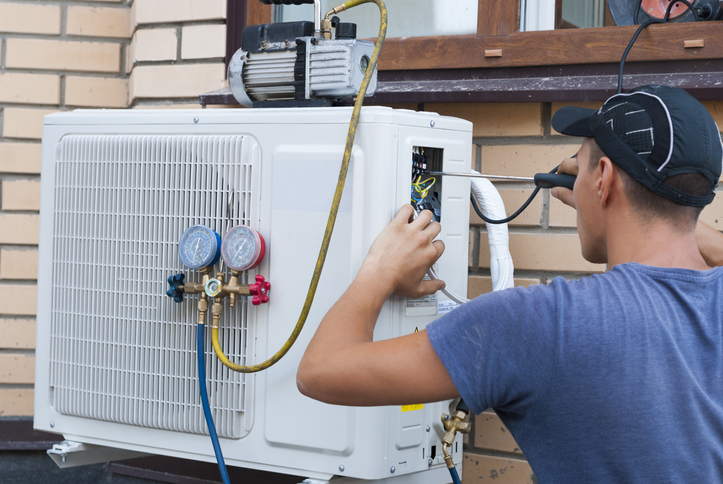
After HVAC college, it’s safe to suspect low refrigerant levels when an AC system isn’t blowing cold air. Because the cooling chamber contains more heat when refrigerant levels are low, it’s difficult for the system to adjust the temperature of the air it’s sending out. This causes the system to expel lukewarm rather than cool air–a problem which is more than inconvenient for those trying to keep their homes cool during the warmer months!
5. There’s a Hissing Noise
When refrigerant levels are low, one of the probable causes is a leak somewhere within the AC system. In the case of a leak, it’s likely that a hissing noise can be heard, indicating that refrigerant has escaped from the coils that contain it. The moment you hear a hissing sound coming from an air conditioner unit, check the refrigerant levels to ensure that there isn’t a hazardous leak.
Ready to enroll in HVAC technician courses?
Become an expert in HVAC systems with a program at the North American Trade Schools!
Tips for Inspecting Electrical Systems During Your Home Inspector Career
October 01, 2021
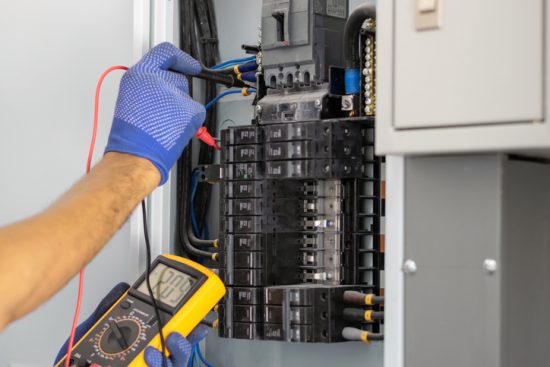
If you’re considering a career as a home inspector, you’ll be responsible for ensuring that a home is suitable for purchase. In this role, one of your duties will be to inspect a home’s electrical system. This inspection involves examining electrical components, systems, and wires to ensure that they meet the electrical safety standards outlined in national codes. This inspection ensures that a home’s electrical components operate safely, and enables future homeowners to save energy and avoid hazards. Below, discover some tips for conducting an electrical system inspection during your career as a home inspector.
During Your Home Inspector Career, Inspect the Outlets and Light Switches
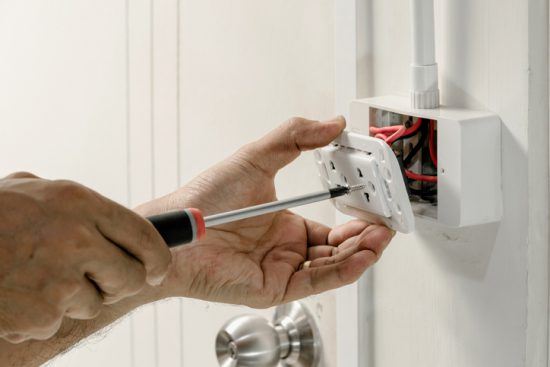
After completing your home inspector training, you’ll want to examine a home’s outlets to determine whether they’re up to code or need replacing. When examining the outlets as part of your inspection of the electrical system, it’s important to check for the following:
- Whether the outlets or switches are warm to the touch
- Whether they show signs of discolouration
- Whether a strange smell (fishy or burning) is present near the outlets or light switches
- Whether they’re all in working condition
- Whether the plugs fit into the outlets
If any of these problems are present, it might be necessary to inspect an outlet or light switch for damage, or even replace these components altogether.
Inspect the Smoke and Carbon Monoxide Detectors
During any electrical system inspection, it’s also important to inspect a home’s smoke and carbon monoxide detectors. There should be a smoke and carbon monoxide detector installed on at least every floor of a home and outside of every room, and a smoke detector within each bedroom. If there aren’t enough detectors, additional devices may need to be installed to keep the home up to code. Additionally, the smoke alarms and carbon monoxide detectors should be tested to ensure they’re in working condition.
Check the GFCIs and AFCIs
Within a home’s electrical system, GFCIs and AFCIs are responsible for protecting against short circuits and electrical overloads. GFCI breakers and outlets protect against electric faults, while AFCIs protect against electrical arcing faults. Once you become a home inspector, you can test these components to make sure that they’re in working order. You can also check to make sure that the outlets in the home’s bathroom and kitchen are equipped with GFCIs, while AFCIs are used wherever there are circuit breakers.

Examine the Electrical Appliances
A home’s electrical appliances should also be examined during an inspection of the electrical system, especially if the appliances are included with the new homeowners’ purchase. During your inspection, check to make sure the wiring around appliances is clear of any dust and debris or heat sources, as these may impede energy efficiency or increase the risk of fire. Additionally, check the HVAC system to ensure proper ventilation. Lastly, check that all of the appliances in the kitchen are plugged into GFCI outlets, as this is essential for their safe usage.
Ready to launch your home inspector career?
Start training with a program at the North American Trade Schools!

If you’re passionate about working with your hands and turning your love of the woodworking craft into a career, you might want to consider becoming a cabinet maker. Through a cabinet making program, you’ll learn how to select the right type of wood, design and plan the layout of cabinets, read blueprints, utilize woodworking machines, and perform different procedures and techniques relevant to cabinetry.
Once you launch your career, you’ll use the skills you’ve built in order to create custom cabinetry for the clients you work with. While the possibilities for creating custom cabinetry are endless, there are a few basic building principles which will be helpful to follow. Below, discover an introductory guide to the art of custom cabinetry.
After Cabinet Making School, Start by Making a Plan for Your Cabinets
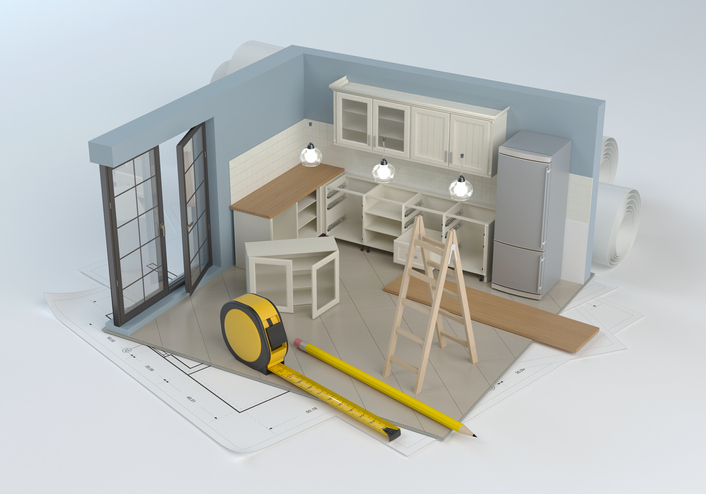
The first step of custom cabinetry is the planning and design process. In this stage, you’ll want to pick the wood you want to use for the cabinets–a decision which may be based on a client’s request. Next, you’ll want to conduct a thorough inspection of the area where you’ll be installing the cabinets, measuring the space where the cabinets will go in order to obtain the right dimensions for your design. With your dimensions in hand, you can move on to designing the type of cabinets you want to create–using blueprints to plan out your designs. As a professional with cabinet making training, planning out the dimensions, materials and specifications of your cabinets before beginning the building process will help you to avoid mistakes and work more efficiently.
Building Cabinet Frames
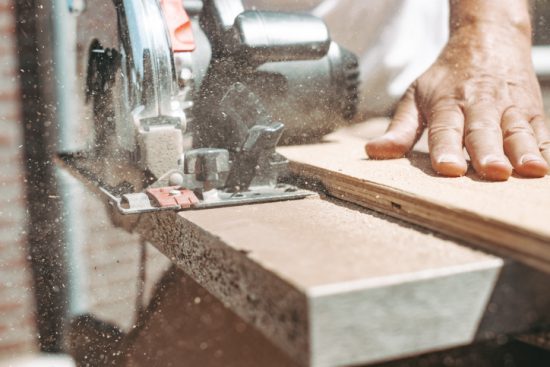
After planning your custom cabinet design, you can move on to building the cabinet frames–including the side and front frame. With your side frames cut to the right dimensions, you can use a table saw to cut a “dado” A dado is a groove which enables one piece of wood to connect to another and into the sides of the cabinet. Then, you can put the sides together using both a finish nailer and wood glue to secure them to each other. Here, it’s helpful to use a framing square–a device that lets you know whether the cabinet sides have been placed together squarely. Next, you can build the front–or face frame–of the cabinet. Typically, you’ll want to save your selected wood material for this piece, using plywood for the hidden sides of the cabinet. Once the face frame has been cut, you can drill holes in it, attaching it to the rest of the frame with pocket screws and wood glue.
Putting on the Finishing Touches
While attending cabinet making school, it’s important to note that no custom cabinet making process is complete without putting in some finishing touches before installing the cabinets. First, you’ll want to refine the appearance of the cabinets you’ve built by performing some light sanding on the surface of the cabinets. Next, you’ll want to stain or paint the surface area of the cabinets in order to obtain the right appearance. Lastly, when it comes to installation, you can use carefully selected hinges to attach cabinet doors, and use drawer tracks and rails in order to install cabinet drawers. Once everything is working properly, your custom cabinet installation is complete!
Are you ready to begin cabinet making courses?
Get started with a program at the North American Trade Schools!