Author: toppyhem





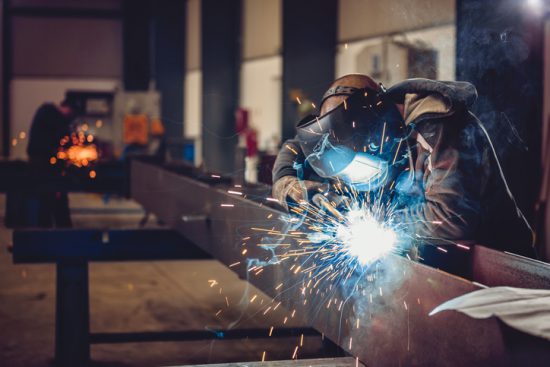
After building industry skills and expertise during your welding training, there’s only one thing between you and a successful career as a professional welding technician. It all comes down to the interview. Performing well in an interview will show a potential employer that you’re not only a qualified candidate for the respective position, but also that you have what it takes to succeed as a welder. While the interview process might seem intimidating at first, when you take the proper steps to prepare for this important meeting, you’ll be sure to succeed. Below, discover five different tips for a successful interview.
1. If You’re Seeking a Welding Career, Research the Company Before the Interview
While some welding skills and processes might be universal, the fact remains that no employer is the same. There are a variety of companies within many different industries, which require skilled welding technicians to perform certain tasks. When preparing for an interview, it’s important to conduct research on the company you’re interviewing with, as well as the position you’ll be applying for. After your welding technician training, conducting this research prior to the interview will ensure that you’re prepared to describe to an employer why you’re a good fit for the position in question. Additionally, you’ll be prepared for any questions that an interviewer might ask you regarding what you know about their company.
2. Make Sure You Dress for Success
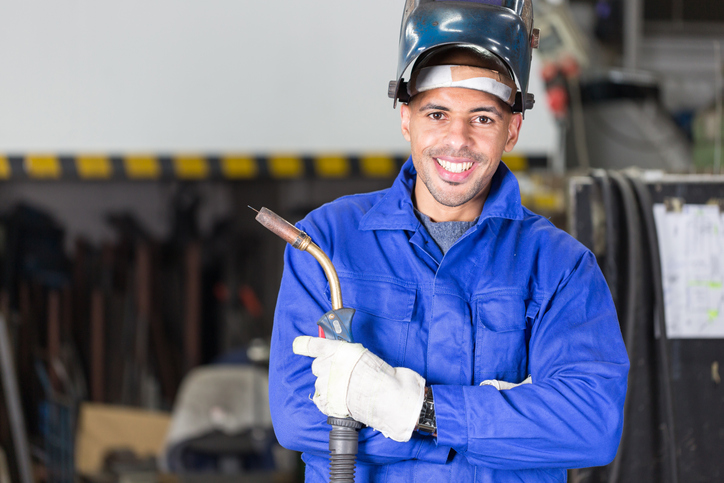
If you’re seeking a career as a welder, it will be important to dress appropriately before arriving at any interview. Within the welding industry, it’s typically standard to dress as you would for a welding job. Attire such as a long sleeve shirt, work boots, and jeans are all acceptable to wear for an interview. Additionally, you might want to bring along some basic welding tools and safety equipment, as you may be asked to perform a bench test or other welding procedures for your interviewer.
3. Be Prepared to Answer Questions About Yourself
While your interviewer will want to ensure that you have the necessary skills to succeed in the role in question, they’ll also want to know who you’ll be as an employee. Thus, during an interview for any welding career, you can expect some questions about your motivations for entering the welding industry, as well as your strengths as a welder. Preparing answers to questions like these will help you to show an interviewer who you are as a welder, and what benefits you’ll bring to their company if you’re hired for the position.

4. Demonstrate Your Credentials
In any job interview, it’s important to be prepared to demonstrate your credentials to your potential employer. You’ll want to bring your resume in paper form, as well as proof of your completion of a welding training program. If you have a relevant welding certification, you should also bring this along to an interview. Once your interviewer sees that you’ve completed the required training, they’ll be secure in the knowledge that you have what it takes to succeed.
5. Prepare Questions for Your Interviewer
Last but not least, never show up for an interview without at least a few questions prepared for your employer. In order to come up with your questions, you can use the research you’ve conducted about the employer you’re interviewing with, as well as the job description. An example could be asking the employer what a regular work day would look like at their company. When you ask questions during an interview, your interviewer will know that you’re taking this opportunity seriously, as you’ve taken the time to engage in critical thinking about the position at hand.
Ready to enrol in welding courses?
Launch a successful career with a welding program at the North American Trade Schools.
4 Interview Questions to Expect After Construction School (& How To Answer Them)
September 16, 2021
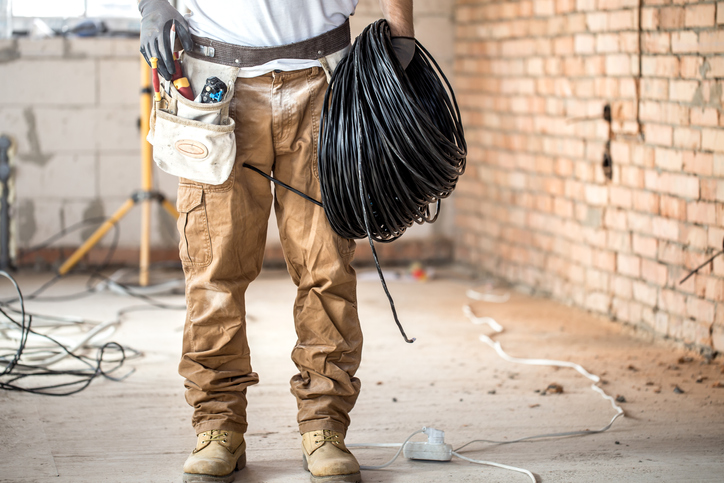
Ready to launch your career as a construction electrician? Preparing for your job interview is one of the best ways to increase your chances of success. When you arrive at the interview stage, your potential employer has already seen your resume. This means they already know you have the skills and experience necessary to take on the job at hand. So what’s the point of an interview? It’s your golden opportunity to show an organization that you’re not only a good fit for the role you’re applying for on paper. You’ll get to tell them why you’re perfect for the job based on your character, commitment, work ethic–and any other professional talents you think they need to hear about!
Below, discover four common interview questions that you should prepare to be asked when applying for a job as a construction electrician.
1. What Made You Choose a Career in Construction?
Employers want to know what motivated you to enter a career in construction, as this will tell them more about who you are as a person and how committed you are to the industry. When answering this question, it’s important to be honest–while emphasizing why you’re passionate about working as a construction electrician. Did you always know you were going to become an electrician? Tell your potential employer why. Do you enjoy being challenged and solving complex problems? Don’t forget to let your interviewer know what excites you about this career path. By answering honestly, your passion for the role will shine through–which will impress prospective employers.

2. What Do You Know About Our Company?
In almost any field, it’s likely that an interviewer will ask a candidate what they know about their company. This question is meant to test your knowledge of the organization you’re applying to work for. Interviewers want to know that you’ve researched their company. This demonstrates your interest in the position and let’s them know that for you, this isn’t just another job. Prepare for this question by conducting plenty of research on the company before arriving at the interview. You’ll want to familiarize yourself with the organization’s mission, values, their history, the services they offer, and any other relevant information.
3. Where Do You See Yourself in the Next Five Years?
If you’re interviewing for a position in the construction trades after completing your training, you’ll want to come to an interview prepared to explain your future career plans. A hiring organization wants to know that the person they’re planning to hire has an idea of how they want to advance throughout their career. When answering this question, talk about how the position you’re applying for will equip you with the skills you’ll need to succeed in attaining your career goals. Showing your potential employer that this job is a step in the right direction for you assures them that you’ll be committed to their organization for a longer period of time.
4. Do You Have Any Questions for Us?
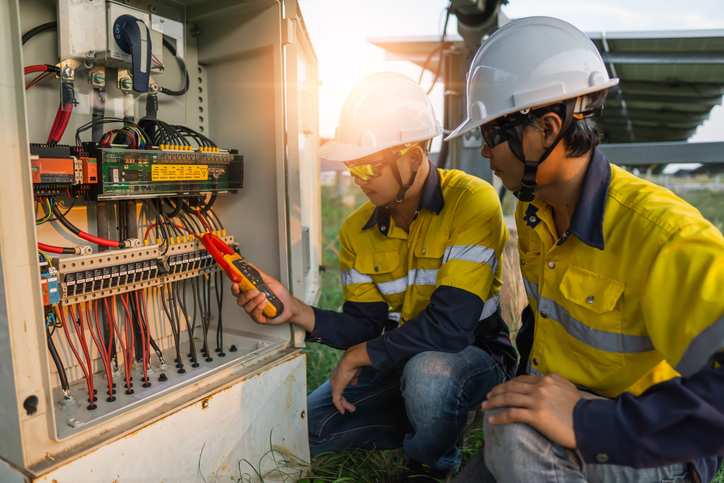
Don’t mistake this seemingly “easy” question for one that isn’t important. When an organization asks an interviewee whether they have any questions, they’re gauging your interest in the role. Coming prepared for an interview with a list of questions based on the research you’ve conducted is a great way to show an organization that you’ve given this opportunity plenty of thought. Asking questions also shows that you’re taking the process seriously.
Before your next interview, study these questions and come up with some thoughtful answers. When you arrive prepared, you’ll be sure to succeed!
Are you considering attending construction school?
Launch your career with a program at the North American Trade Schools today!
Infographic: 5 Reasons You Should Consider Becoming a Home Inspector
September 15, 2021
Home inspectors have an important job, as they use their extensive knowledge of construction and building codes to identify potential problems in homes and communicate them to their clients. After completing home inspector training, these professionals possess a special set of skills that enable them to determine even the most subtle of housing component failures and offer effective solutions. During a home inspection, home inspectors check a house’s structure, heating, plumbing, air conditioning, exterior, interior, insulation, roofing and more–utilizing their practical skills as well as careful attention to detail to conduct an airtight inspection.
Want to become a home inspector? There are many benefits to pursuing this particular career. In fact, check out this infographic to discover five reasons to consider a home inspection career.
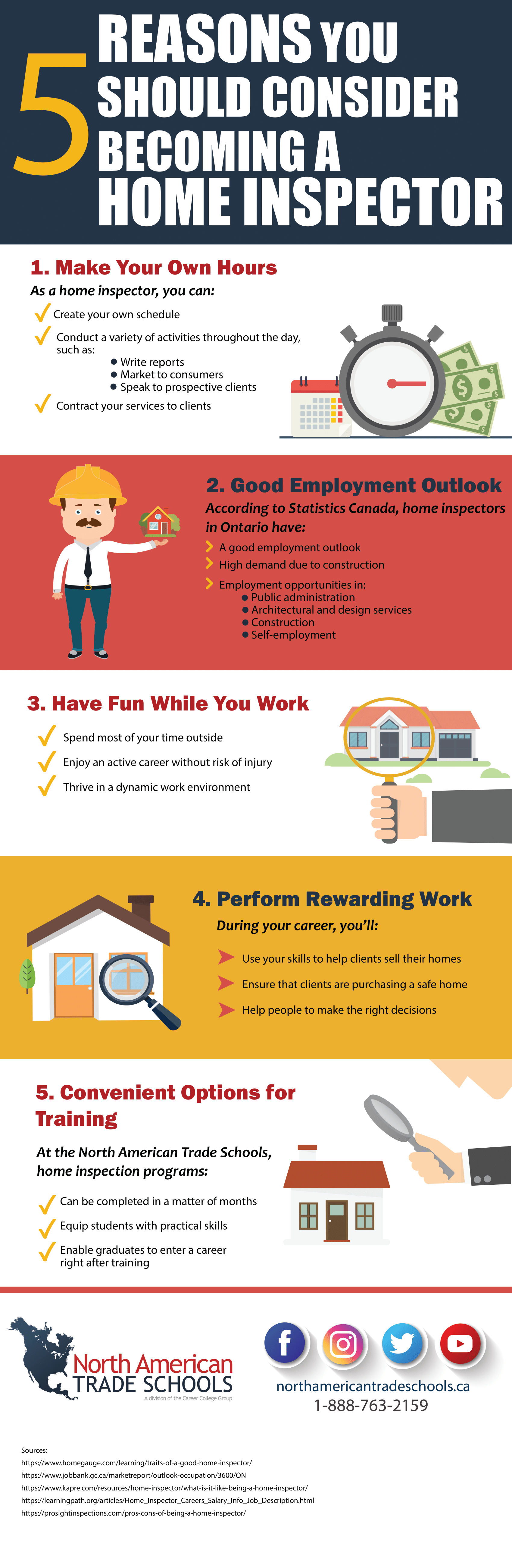
[Infographic] 5 Reasons You Should Consider Becoming a Home Inspector
1. Make Your Own Hours
As a home inspector, you can:
- Create your own schedule
- Conduct a variety of activities throughout the day, such as:
- Write reports
- Market to consumers
- Speak to prospective clients
- Contract your services to clients
2. Good Employment Outlook
According to Statistics Canada, home inspectors in Ontario have:
- A good employment outlook
- High demand due to construction
- Employment opportunities in:
- Public administration
- Architectural and design services
- Construction
- Self-employment
3. Have Fun While You Work
- Spend most of your time outside
- Enjoy an active career without risk of injury
- Thrive in a dynamic work environment
4. Perform Rewarding Work
During your career, you’ll:
- Use your skills to help clients sell their homes
- Ensure that clients are purchasing a safe home
- Help people to make the right decisions
5. Convenient Options for Training
At the North American Trade Schools, home inspection programs:
- Can be completed in a matter of months
- Equip students with practical skills
- Enable graduates to enter a career right after training
Considering Home Renovation Training? A Guide to Interior Painting
September 14, 2021

Interior painting might seem simple at first. After all, it’s just putting paint on walls, right? However, as many home renovation professionals and DIY painters already know, there are many factors to consider for achieving a successful interior paint job. If you’re considering a career as a home renovation technician, having a solid understanding of the interior painting process, in addition to knowing a few important tips and tricks will help you to improve the quality of your interior painting job.
Below you’ll discover a guide to painting home interiors – helping you tackle any such project with confidence and ease!
The First Step Professionals With Home Renovation Training Take: Assessment and Prep
Rather than jumping right into painting, there are a few important preliminary steps that every professional with home renovation training will want to take. The first is to assess the condition of the walls themselves. Are there imperfections, holes, or spots of unevenness? If that’s the case, it’s important to sand the walls first using an abrasive paper. Removing rough spots and patches of drywall compound will ensure that the paint goes on evenly, and also makes it easier to apply a new coat of paint.
After sanding, you’ll also want to look closely at the existing paint and the type of walls to determine which primer to use. Primer should always be applied before coloured paint, as it ensures that the colour of the paint will be as vibrant as possible, removing the possibility of dark spots or areas of thin application. If you’re painting paneled walls, you’ll want to use an oil-based primer – but if the walls are drywall, a water-based primer will do a great job of masking any blemishes.
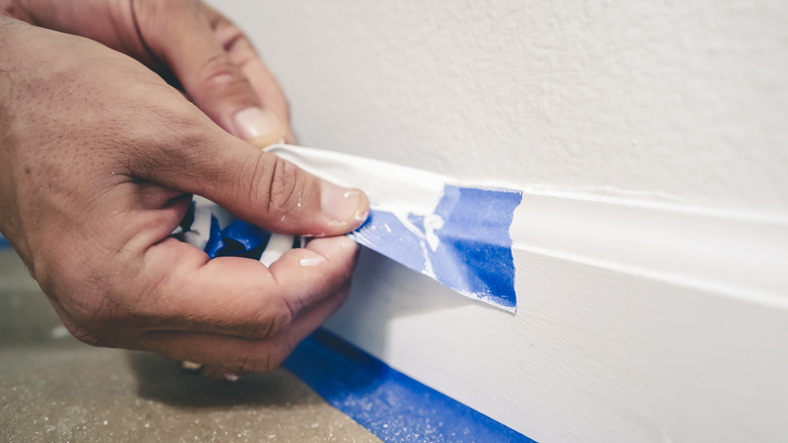
Next, you can tape the trim using painter’s tape. One trick is to use a putty knife to press the tape down, as this will prevent any bleeds from occurring. Lastly, you’ll want to cover the surrounding furniture and floors with canvas cloth, as the use of canvas prevents the possibility of leakages. Once you’ve completed these steps, you’re ready to start painting!
Painting the Interior Walls
After you become a home renovation technician, there are a few things to keep in mind when it comes to applying the first layer of interior paint. You’ll want to make sure that you’re using the right painting materials, including a paint roller and a smaller paintbrush to fill in the edges. When using a roller, it’s important to avoid roller lap marks, which can be done by applying the paint in overlapping strokes. Make sure to paint the entire wall completely, as lap marks are more likely to appear when paint is applied over dry paint. Lastly, remember to apply two coats of paint to the walls, as this helps ensure that the paint appears even and consistent in colour.
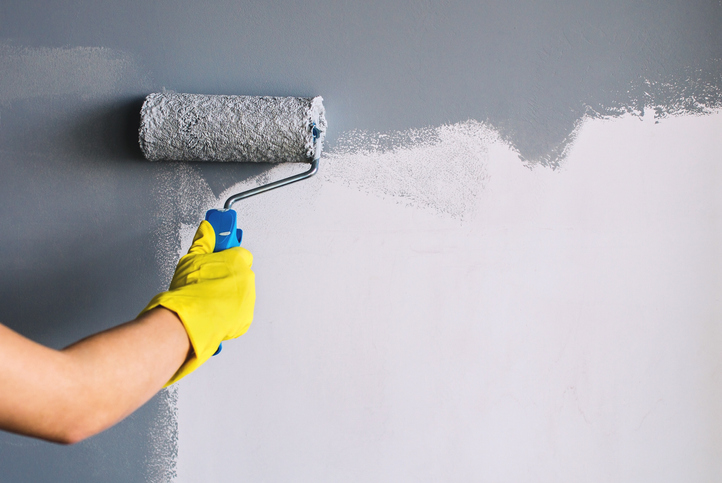
Finishing Touches and Clean Up
Once the paint has been thoroughly applied to the interior, it’s time to think about finishing touches and clean up. After the paint is dry, you can examine your work to determine whether there are any imperfections. These will be likely to appear in the corners and areas of trim, and are typically fixable with primer or another layer of paint. When it comes to fixing imperfections, a smaller brush can be used to carefully target the area in question. Once complete, you can begin carefully removing the painter’s tape from the trim, and storing the canvas cloths for future projects.
When you follow this guide, you’ll be ready to succeed in any interior painting project. After launching your career as a home renovation technician, remember these helpful tips!
Ready to launch a rewarding career by training at a home renovation school?
Get the skills you need to succeed with a program at the North American Trade Schools.
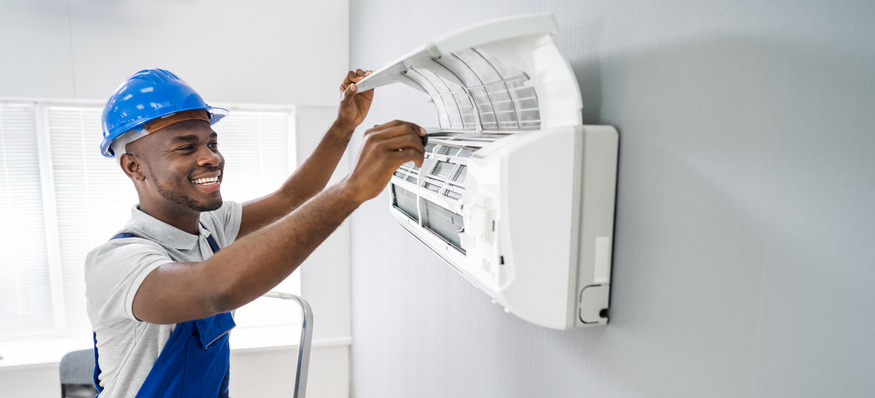
If you’re thinking about becoming an HVAC technician, you’ll be launching a rewarding and dynamic career within the heating, ventilation, and air conditioning industry. With the skills you possess, you’ll be able to provide essential services to clients–installing and maintaining both ventilation and air cooling equipment, as well as gas and propane heating systems. As an HVAC technician, not only will your technical skills be important, but so will your ability to interact with clients and provide quality, reliable service.
Below, explore some qualities that will help you to succeed in the HVAC industry, both during your training and throughout the rest of your career.
1. Graduates of HVAC College Are Good with People
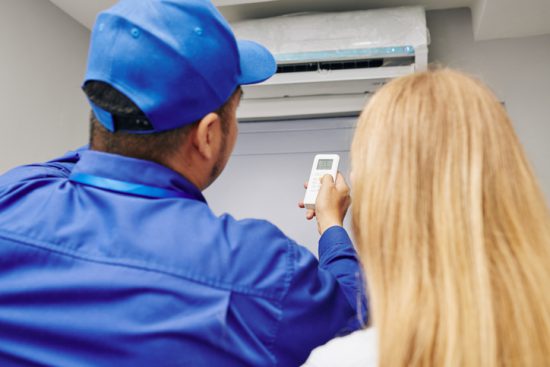
If you have strong interpersonal skills, you’re off to a great start! HVAC technicians interact with many different customers on a daily basis. Therefore, an HVAC technician must be able to speak with a friendly demeanor, listen to any requests or concerns, and provide all necessary information in a patient and comprehensive manner. Once you graduate from HVAC college, your ability to communicate actively with customers will help you to establish trust and earn you even more clients through word of mouth recommendations. During your training, consider building interpersonal skills in order to succeed throughout your HVAC technician career.
2. Successful Technicians Are Reliable
As an HVAC technician, clients are trusting you to perform a service for them. To gain their trust, you’ll not only want to possess the necessary skills and knowledge, but you’ll also need to provide reliable service. With this in mind, it’s important that HVAC technicians can prove to be extremely reliable, as this will help to enhance their reputation and establish customer loyalty. During your career, make sure to be on time to appointments, and notify customers if you’re running late or are unable to perform a requested installation or repair.
3. Attention to Detail Is a Quality Shared by HVAC Professionals
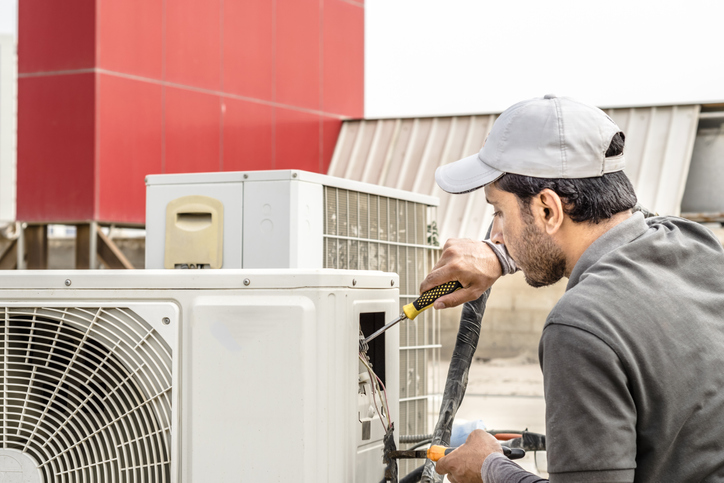
During HVAC school, you’ll learn about the importance of precision within the HVAC field. HVAC technicians must be able to use a number of tools and testing devices such as thermometers, pressure gauges, voltmeters, manometers, and more. With strong attention to detail, HVAC technicians can use these devices to measure and obtain information about electrical circuits, refrigerant pressure, air flow, and burners. As an HVAC technician, being attentive to detail will help you to accurately install and maintain the heating and ventilation systems you work with–ensuring that no mistakes are made due to incorrect information.
4. Preparedness Is an Essential Quality for HVAC Technicians
If you’re a highly organized person, you’ll excel in a career as an HVAC technician. These professionals must be prepared for a number of different appointments every day–showing up to each one equipped with the tools and equipment necessary to complete the job at hand. As an HVAC technician, preparation is key to being able to perform any installation or repair, as your ability to remember which parts and tools you need for specific tasks will ensure that you’re always providing a quality level of service.
5. A Good HVAC Technician Is Confident
There’s nothing more terrifying to a customer than an HVAC technician who seems unsure of their capabilities. As customers are trusting you to correctly install and repair the heating and ventilation systems they rely on, it’s important that you build the skills necessary to confidently address the needs of your clients. At the North American Trade Schools (NATS), you’ll receive hands-on training in the installation and maintenance of HVAC systems, equipping you with the knowledge to work confidently throughout your career. Consider training with NATS in order to launch a career as a capable and successful HVAC technician!
Ready to take HVAC technician courses?
Launch your career with a program at the North American Trade Schools today!
The Principles of Electricity Explained for Electrician College Students
August 27, 2021
If you’re considering launching your career as an electrician, you’ll use your knowledge of the principles of electricity to accurately install and repair electrical systems–as well as diagnose and troubleshoot electrical problems. Construction and Maintenance Electricians are equipped with the skills to perform a variety of different functions. Some may include: service installation, conduit bending, code interpretation, print reading, machine and electronic control repair, and more. As a Construction and Maintenance Electrician, understanding the principles of electricity will be important to your success. It will help to determine how the electrical systems you’re working with operate, and what the best solution is to any problems that may arise. Below, discover an introductory guide to the principles of electricity.
Where Does Electricity Come From? A Guide for Students in Electrician Training
Essentially, electricity is a secondary source of energy that’s created from the conversion of other sources of energy. Electricity is made up of atoms, which contain a nucleus composed of protons and neutrons. Around the nucleus are electrons, which revolve around the nucleus due to their attraction to protons and electrons. These respective particles contain an electrical charge, as protons are positively charged and electrons are negatively charged. Orbiting electrons that don’t have a strong attraction to the protons in one atom will be pushed out of the rotation and into another atom’s orbit. Electricity is the result of this shifting pattern. After completing your electrician training, you’ll be using this knowledge of electricity to inform the work that you do on the electrical systems within residential and commercial buildings.
The Electricity Generation Process
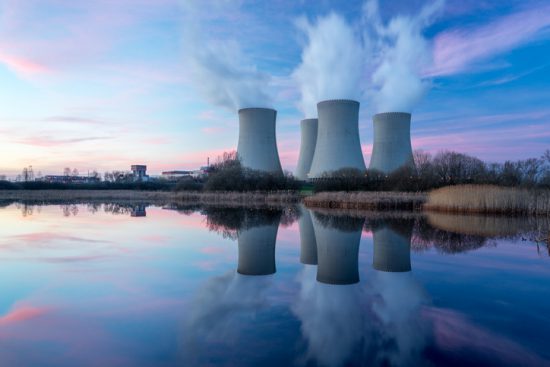
The electricity that’s used in residences and other buildings can be created in many ways, but some of the most common sources of electricity generation are coal, wind, and nuclear energy. Coal is burned at an extremely high generator, creating steam which passes through a turbine. The turbines are equipped with a generator–containing coils that rotate within a magnetic field to create electricity. Wind energy is created when wind turns the blades of wind turbines, spinning a shaft connected to a generator which creates electricity. Nuclear energy is produced within power plants, where an atom is split through the process of nuclear fission to create energy. This energy is used to produce heat, and the steam created by this heat generates electricity.
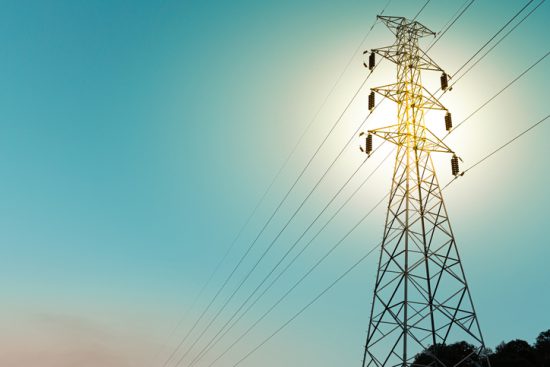
After this electricity is generated, it’s then delivered to consumers via different power lines that make up an electricity grid. Electricity grids connect electricity producers to consumers using substations, transformers, and power lines. As a graduate of electrician college, you’ll be working with the electricity delivered to these residences and commercial buildings.
Terms to Know Surrounding the Principles of Electricity
When learning about the principles of electricity, learning a few basic terms will enhance your understanding of how electricity works.
- Coulomb: A coulomb is a unit of electric charge
- Ampere (Current): Flow rate of an electric current
- Ohm: The unit of resistance within a conductor, determined by temperature, material and size.
- Resistance: Measured in Ohms is the electromotive force needed to pull electrons away from protons within an atom.
- Volt: Measure of the amount of electromotive force needed to push one ampere through a conductor.
- Ohm’s Law: Used to explain the relationship between current, resistance, and voltage. According to Ohm’s Law, the current is equal to the voltage divided by the number of Ohms.
- Watts: A unit of electrical power, equal to the number of volts multiplied by the current.
- Ampacity: The maximum amount of current that a conductor can handle.
Once you master an understanding of the terms used to measure electrical currents and charges, you’ll be able to use this knowledge to install, repair, and maintain electrical systems.
Ready to enroll in electrician school?
Explore your options with a program at the North American Trade Schools today!
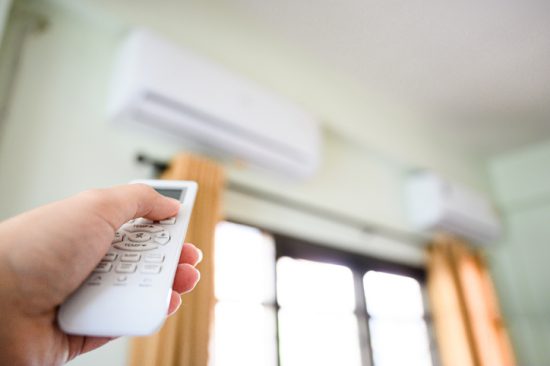
Sustainability is leading the conversation in most industries today. As with the majority of sectors in the construction and maintenance industry, the Heating, Ventilation, and Air Conditioning (HVAC) market is under pressure to go greener. Sustainable HVAC systems are an important innovation for both the industry and our planet. Homeowners and technical workers can benefit from new technologies that reduce the environmental impact of HVAC systems while maintaining their design integrity.
Students training for a career within the HVAC industry will study the installation and maintenance of different HVAC systems in residential and commercial environments. Gas codes and regulations are other important features of HVAC training. To get to grips with the evolving trends of the industry, read on for an overview of the benefits and concepts behind sustainable solutions in HVAC design.
The Benefits of Sustainable HVAC Systems
The drive to reduce energy consumption, greenhouse gases, and the use of fossil fuels are top concerns when it comes to sustainable design initiatives. Delivering hot water and heating to buildings produces a significant greenhouse gas footprint. Sustainable HVAC systems offer a solution to the environmental expense of traditional heating and cooling methods. HVAC systems such as heat pumps work by transferring heat between indoor and outdoor spaces to regulate the temperature of the building. In that sense, they are sustainable alternatives to boilers or furnaces that rely on fossil fuels.
Students in HVAC school might be interested to know that sustainable HVAC systems save both energy and costs in the long run. Up to 30 percent of the energy generated for use in commercial buildings is wasted. On average, HVAC systems last up to 15 years–a long time to endure high energy expenses and greenhouse gas emissions. Both workers and homeowners can benefit from the reduced cost of climate control over the building’s life cycle. It’s important for construction and maintenance technicians to know which sustainable technologies provide the best return over time.

Sustainable HVAC Solutions
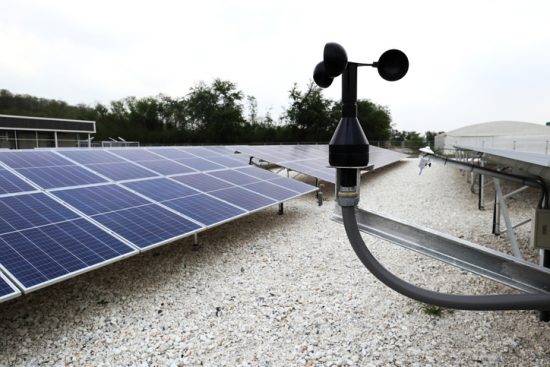
There are numerous ways to achieve sustainability in HVAC systems. Thermal air conditioning is a great way to conserve energy without sacrificing power and comfort. Instead of relying on electricity, these units use solar panels to draw energy from their surroundings–an efficient and cost-effective solution.
Duct wrap is another staple of the HVAC industry that is used to reduce energy loss that can occur in air ducts. Unlike regular duct wrap, quiet duct wrap is made from recycled denim reduced from landfills. Quiet duct wraps also prevent irritants or other organic compounds from reducing indoor air quality.
The dual-fuel heat pump is a great solution that uses a combination of fuel types. The dual-fuel heat pump uses both electricity and gas to generate efficient heating and cooling. For homeowners who are concerned about the reliability and power of sustainable systems, the dual-fuel heat pump is one to count on. The pump uses electricity above 1.67 degrees Celsius, but if the temperature drops lower, the pump resorts to gas to heat the home. In that way, sustainable systems provide powerful solutions without compromising energy-efficient efforts.
The Future of Sustainability for Those in HVAC College
Students in HVAC technician courses will work with numerous types of equipment to construct and maintain HVAC systems–including: measurement gauges, refrigerant lines, and air ducts. Voltmeters, thermometers, pressure gauges, and other testing devices are used to check airflow, refrigerant pressure, electrical circuits, and other components. Knowing how to apply these tools and materials to sustainable solutions is valuable to stay ahead of the industry. To become more sustainable, construction technicians should consider the bigger picture and think in terms of building integration. By choosing the right products, materials, and building designs, technicians can push for a more sustainable future for the construction industry.
Are you interested in attending HVAC college?
Contact NATS today to learn more about our program!
Graduating from Welding College? Check Out the Career Paths Available to You
August 24, 2021
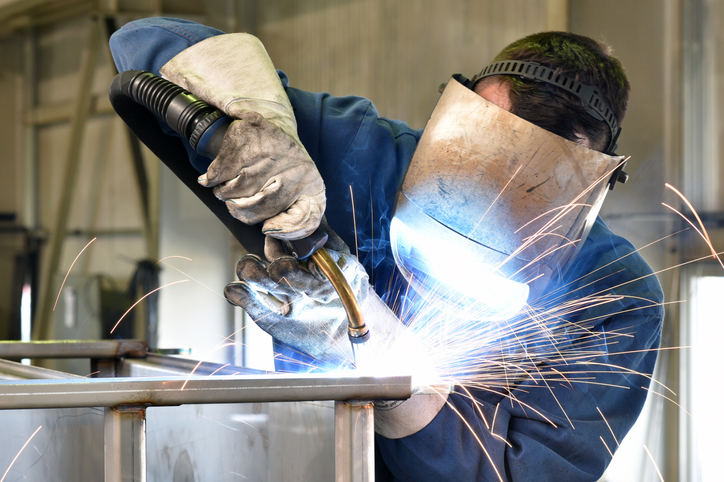
If you’re training to become a welding technician, you may be surprised to know that there are a wide range of career opportunities available to you upon graduating. With the skills you build in a welding technician program, you’ll be able to transition into a number of different work environments and career paths where your knowledge of welding principles will be applied to a variety of projects.
In a welding program, you’ll receive hands-on technical training in the welding arts, learning techniques in Gas Metal Arc Welding (GMAW or ‘MIG’), Gas Tungsten Arc Welding (GTAW or ‘TIG’), Shielded Metal Arc Welding (SMAW or ‘Stick’), and more. You’ll also learn about important safety procedures on the job, in addition to welding-associated mathematics and symbols. After completing your program, you’ll be able to transition into a number of different careers–some of which may require additional training or apprenticeships. Below, explore some career paths within the welding industry.
Become a Welding Technician After Welding Technician Training
Once you complete your welding technician training, one of the most direct career paths you can take is to become a welding technician. Welding technicians apply their knowledge of different welding techniques, materials, equipment, and joining processes to the manufacturing of welded products. These professionals assist welding engineers to develop and implement different techniques in order to produce a high-quality product–ensuring that the manufacturing process is in-line with industry standards and codes. They may work to solve problems, test new products, and perform experiments in order to identify the ideal welding process. If you have strong problem-solving skills, this could be the career path for you.
You Might Choose to Become a Boilermaker
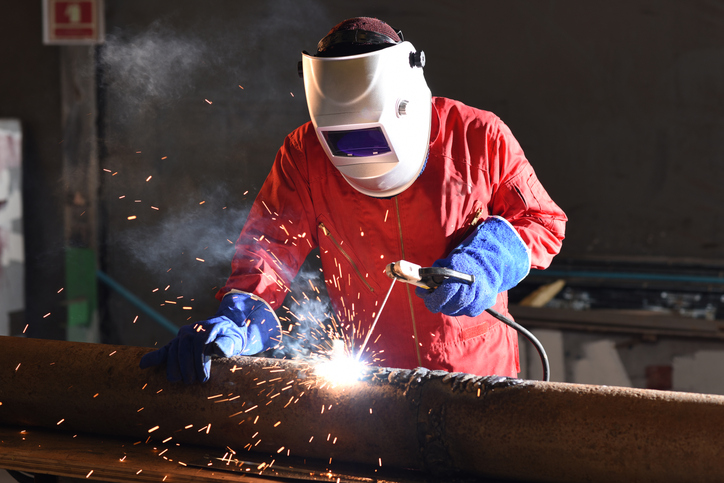
One of the many specializations available within the welding industry is that of a boilermaker. Boilermakers work to install, maintain, repair, and manufacture the boilers within different buildings and ships. Boilers are responsible for heating up liquid in order to heat structures or generate electricity. As a boilermaker, you’ll work to interpret blueprints and assemble pre-made boiler components using different welding techniques. With your skills, you’ll be able to ensure that the boiler tank and system you manufacture is structurally sound so that it works safely and effectively.
A Career as a Welding Inspector Suits Those Attentive to Detail
With some additional experience in the welding industry, the knowledge you gain in welding college can translate to a future career as a welding inspector. Welding inspectors apply their knowledge of different welding processes, standards, materials, and methods of testing to the inspection of different welding processes. These professionals work to verify that the product being welded is done in compliance with different safety codes and industry standards–in addition to ensuring that the correct materials and equipment is being used. Their expertise is critical when it comes to ensuring the safety and soundness of the welding project. If there are any mistakes or discrepancies, welding inspectors are responsible for catching them and developing a sound solution. If you have a keen eye for detail, consider this career path after completing your welding training.
You’ll Be Qualified to Become a Pipefitter
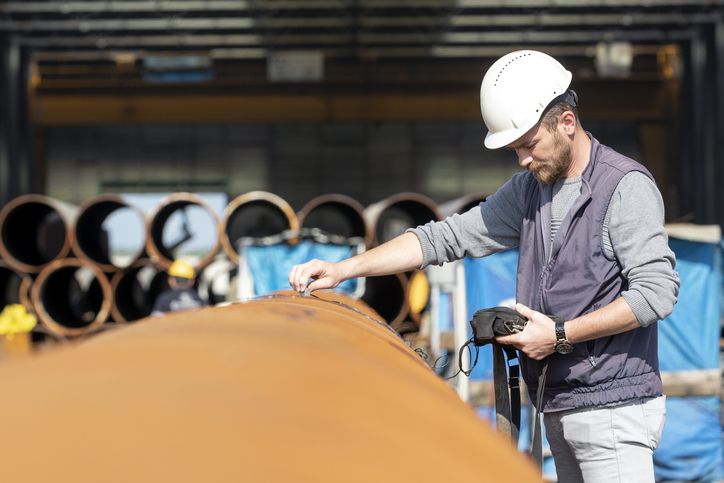
Pipefitters have a dynamic and important job within the industrial manufacturing industry. These professionals are responsible for creating, assembling, installing, and maintaining piping systems used in commercial, marine, or industrial structures. The piping systems they create are typically used to transport fuel, water, chemicals or steam, and often include technical assemblies with hydraulic, high-pressure, cooling, or pneumatic functions. Within this specialized career, pipefitters apply their understanding of piping systems to the implementation of different design plans–creating and maintaining piping systems by applying welding, cutting, and fabrication techniques. If you’re looking for a hands-on technical career in the welding industry, this could be the job for you.
Are you ready to enroll in welding classes?
Gain the skills to launch a dynamic career with a program at the North American Trade Schools!
Plumbing Damage: 5 Signs to Look Out for During Your Home Inspector Career
August 10, 2021

Of all the issues that can occur within a home, plumbing system problems are right up there with the most significant. Without a functioning plumbing system, a home may undergo the risk of significant water and pipe damage–yielding costly repairs. If you’re considering a career as a home inspector, it will be your responsibility to identify issues within a house and warn buyers of any potential problems.
One of the areas of a home that you’ll need to examine closely when conducting your inspection is the plumbing system. Even the smallest of potential issues can lead to a hefty bill down the road, so it’s important to catch problems as early as possible. Below, discover five different signs that a home is experiencing plumbing damage.
1. During Your Home Inspector Career, Check Whether the Water Pressure is Weak
Weak water pressure is a telltale sign that there’s some kind of problem with the plumbing system. After you complete your home inspector training, be sure to check the water pressure to determine whether there’s an issue with the distribution of water within the system. Weak water pressure should either be caused by a clog in the pipes, or an issue with the faucet aerator–the mechanism which controls the distribution of water. While it’s often a simple fix, it’s better to determine the source of the problem rather than letting the issue get worse.

2. Determine the Drainage Speed
Another common sign of a plumbing problem is slow drainage speeds. If only one drain is experiencing slow speeds, this means the drain can be unclogged with a drain cleaner, plunger, or another tool. But if every drain is operating at a slower speed, there’s likely a more serious problem at hand. In this case, the main sewer line might be blocked, which often happens if a growing tree root gets in the way of the sewer line’s path.
3. A Bad Odour Might Indicate a Problem
If there’s a strong odour coming from a home’s drains, it’s typically a sign that the drain traps aren’t working properly. Drain traps are made for the purpose of stopping sewer gas from seeping into a home by forming a type of barrier or water plug. They work in tandem with a vent, which transfers sewer odor to the roof and away from the interior. If there is a strong odor present in the home, one of the drain traps might have run dry or one of the lines in the vent has cracked. It can be difficult to pinpoint the source of the leak or crack, but it’s necessary in order to fix the problem and prevent smells in the future.

4. Check the Colour of the Pipes
After you become a home inspector, you’ll want to check the condition of the plumbing pipes. These can typically be found under the sink and in the basement of the home. If the pipes are showing any signs of rust, corrosion or discolouration, this can indicate that there is a leak in the pipe. Leaks can lead to water damage, which can compromise the integrity of a home’s structure and create mold growth. With these potential issues in mind, if any discoloured pipes are identified, they should be replaced before a homeowner moves in.
5. Look for Problems with the Paint
Wondering whether the plumbing system is leaking, but can’t identify the source of the leak? When inspecting a home, it’s important to note that leaks in the plumbing system can manifest in the walls or ceilings of a home. Is the paint brown, blistering, or bubbling? This could be a sign that there is water damage beneath the paint’s surface. In order to prevent the growth of mildew or mold and keep the walls structurally sound, it’s important to fix the leak and repaint the area before the damage worsens.
Are you ready to launch your home inspector career?
Get the skills you need to succeed with a program at the North American Trade Schools!
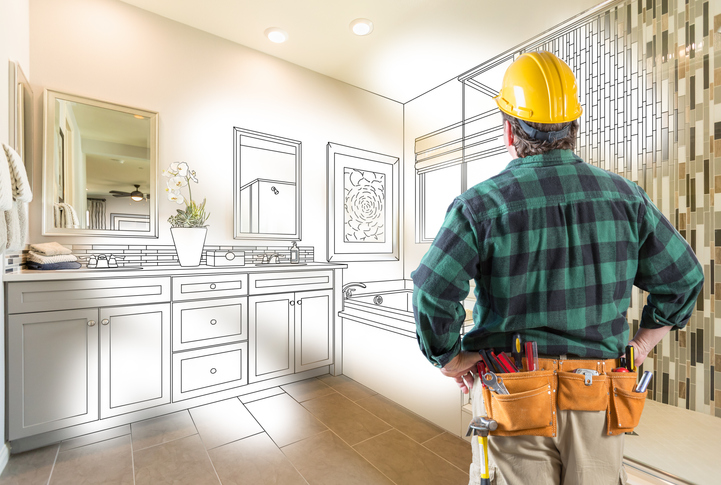
As a home renovation technician, you’ll be responsible for taking homes to the next level by handling a variety of projects, including painting, carpentry, plumbing and more. Whether it’s your own home or you’re completing a project for a client, it will be important to stock up on the proper tools to get the job done right.
Home renovation can be tricky at times. By equipping yourself with the tools you need, you’ll be able to successfully complete any project while keeping in line with building codes and safety regulations. In addition to safety gear such as a hard hat, safety glasses, respirator, and gloves, you’ll need at least five different types of tools including electrical tools, hand tools, carpentry tools, plumbing tools, and painting tools. Below, discover more details about each of these tool types!
1. You’ll Need an Assortment of Hand Tools
After completing your home renovation training, it will be important to carry a few different hand tools at all times. First, you’ll want a tape measure to ensure that you’re working with the right dimensions. You’ll also want a screwdriver (preferably a multi-bit one), and a variety of screws to go along with it. Additionally, it’s important to carry a few different hammers with you at all times. A carpenter’s hammer is convenient when it comes to woodworking projects, and a sledgehammer is essential when completing the demolition stage. Lastly, you’ll want to have some pliers on hand, as these will help you to fix and place wires and other smaller objects.
2. Carpentry Tools Will Help You Cut and Frame
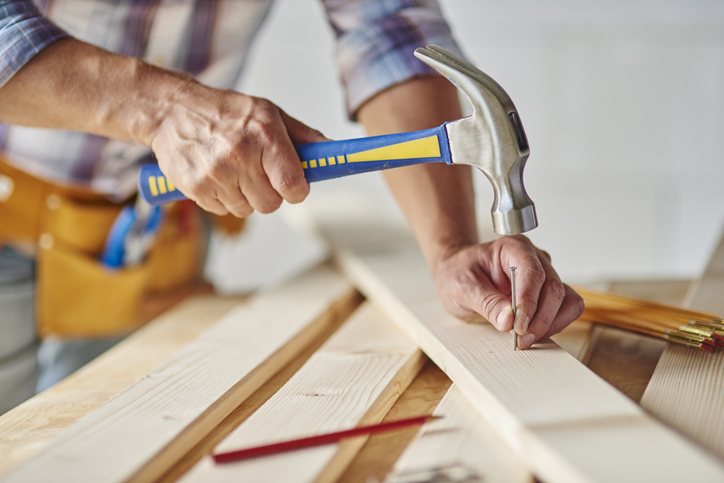
When conducting carpentry projects, there are a few different tools that will enable you to complete the job in a clean and efficient manner. During your career, it will be beneficial to have a saw on hand at all times. In addition to a handsaw, consider investing in a motorized circular saw–as this will speed up the wood cutting process. Saw horses are also essential tools when it comes to staying safe while cutting plywood or lumber. If you’re working on a framing project, you might want to bring along a rafter square, as this will help you to determine the right layout. Finally, it will be impossible to know whether you’re cutting or fitting two pieces together without a level–so be sure to always have one on hand!
3. Plumbing Tools Are Helpful to Have on the Job
Once you become a home renovation technician you’ll probably have to navigate a few plumbing projects–especially when working on a home’s kitchen or bathroom. In order to successfully complete any plumbing job, you’ll want to have a: pipe cutter, sandpaper, and propane torch in your tool box. A pipe cutter will enable you to work with different pipes and shape them to the right size, while both sandpaper and propane torch are used to make new connections between pipes. In the case of leaks, it’s also helpful to carry some duct tape with you–as this can be used to quickly and safely seal any holes to prevent water damage from occurring.

4. Those in Home Renovation Training Can Expect to Use Electrical Tools
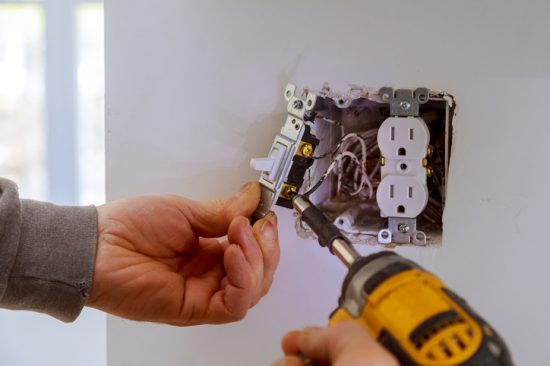
Every home renovation technician needs a few different electrical tools. The most important electric tool to have on hand is a cordless drill. This will help you to avoid the pain of using an extension cord when drilling needs come up on various projects. Additionally, if you’re working with wires, using a circuit tester allows you to ensure that no wires are live. This lets you quickly ascertain safely before moving forward with a project.
5. Finish the Job Up with Painting Tools
Painting is typically the last step in the home renovation process. While you don’t need too many heavy duty tools to give a surface a fresh coat of paint, there are a few handy tools that will make your life easier. First, you’ll want an assortment of tarps to put on the ground to catch any drops of paint that fall. You’ll want a sanding block to smooth out smaller surface areas. If you want to ensure a quality paint job, it’s also important to carry a set of high-quality rollers and paint brushes. One final tip: when it comes to painting corners and tight spaces, having a short-handled brush and an angled brush on hand is always useful.
Now you know what key tools you’ll need to have on hand to succeed as a home renovation technician. Depending on the project, you may want to carry some or all of these tools with you at all times!
Ready to enroll in home renovation technician school?
Launch your career with a program at the North American Trade Schools.