Author: toppyhem





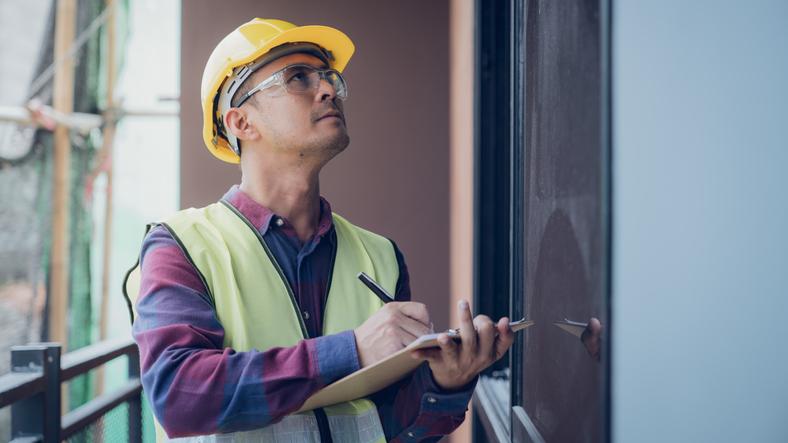
A career in home inspection doesn’t just involve understanding how the various systems and areas of a house work. You’ll need to have several other types of skills under your belt as well. You’ll want to be sure you’ve mastered these skills in order to make sure the home is in the best possible condition.
From understanding electrical systems and roofing, to effectively drafting reports and communicating to buyers, a successful home inspection career is made of many different things. Here are five skills necessary for success in your home inspection career.
Firstly, a Strong Understanding of the Craft Is Necessary
It goes without saying that understanding how home inspections work, as well as having a foundation in construction, is needed in order to succeed as a home inspector. You should be able to understand how various aspects of construction work, as well as the procedures of a home inspection and which tools are necessary for expediting the process. With any home inspection career, technical knowledge is key—whether it’s with structural components, heating, insulation, roofing, or any other area of a home.
Being an Excellent Communicator Is Also a Major Plus
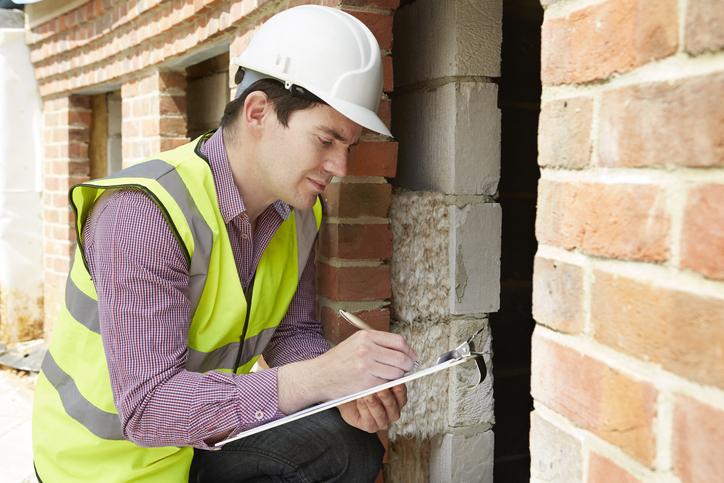
The bedrock of any home inspection is the ability of the inspector to explain to the prospective buyer what the results of the inspection were, and how ready it is for the buyer. This is important not only for verbal communication, but for written reports as well. Anyone hoping to become a home inspector will need to be a great communicator in order to provide the most detailed report possible. Effective communication will help reassure potential buyers that they’ve chosen the right home, and that all systems are a go for them to move in.
A Good Eye for Problems Is Huge for Your Home Inspector Career
If you aren’t able to deftly identify and diagnose problems with the home, you’ll have a hard time finding success. The ability to detect issues in any kind of home, and know what is necessary to fix them, is crucial. It’s important to understand not only how each component functions, but what factors would make a repair or full replacement necessary. Alerting prospective buyers to any issues that could delay them moving in—or even make the home unappealing for them—is essential.
Understand the Importance of Time Management
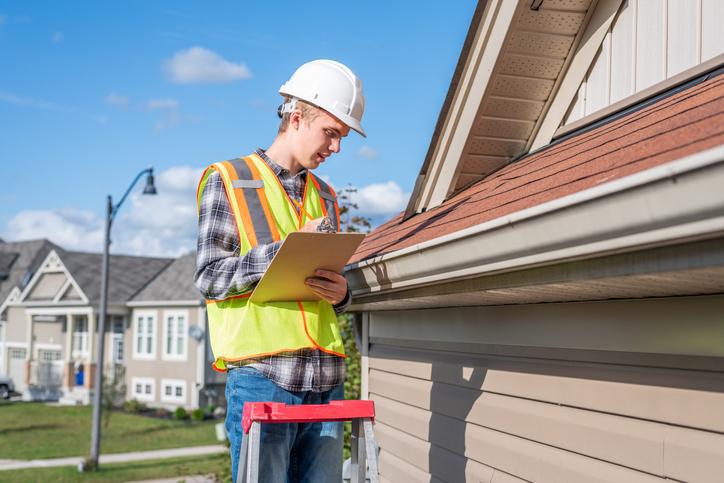
Another significant aspect of your home inspector career is being able to manage your time effectively. Not only will you be trying to manage how much time you spend actually inspecting the home, but you’ll need to take into account how long it will take for you to travel there. You will also need to consider how much time you’ll need to get reports ready, and how much time will be necessary for all processes to be complete.
Problem-Solving Skills Are Also a Major Asset in This Career
Lastly, one of the other keys to success in home inspection is the ability to problem-solve. You’ll need to showcase these abilities throughout your inspection, especially when something is not quite right in the home. It’s important to analyze what issues may occur during the inspection, and be able to quickly come up with solutions. A strong attention to detail is also beneficial, as you’ll want to carefully go through each area with a fine-toothed comb so that all potential issues with the property are accurately identified.
Do you want to start your home inspection training?
Contact North American Trade Schools for more information!
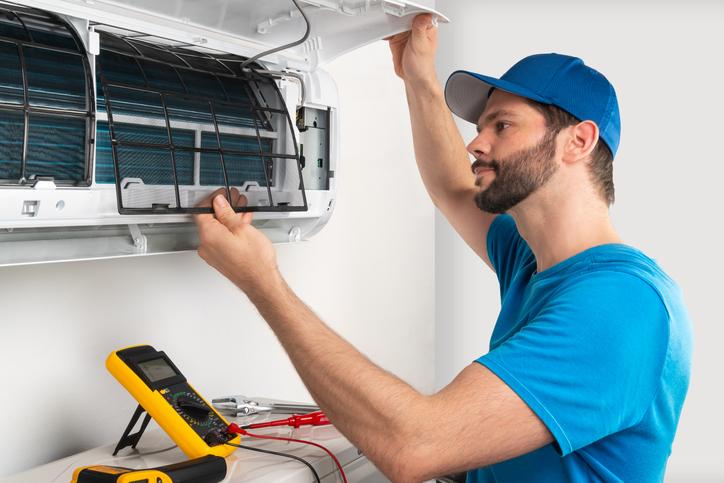
It’s not just the quality of an HVAC unit that counts, but how it’s installed. As an HVAC technician, your responsibility is to install these systems and detect any issues that can arise within their many different components and figure out how to correct them. However, there are several mistakes you can find yourself making if you aren’t careful with the installation process.
Since learning how to maintain and install HVAC systems are a significant component of your job, it’s just as important to know what not to do as it is to learn best installation practices. Here are some of the more common mistakes you may find yourself making after your HVAC training.
Ductwork is One of the Most Important Factors to Watch After HVAC School
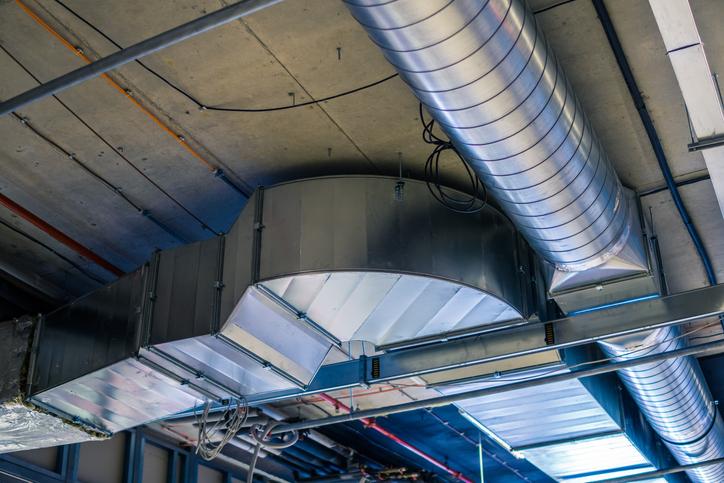
It’s important to be sure you choose the correctly-sized duct for the HVAC unit you’re installing, and use high-quality materials in the process (e.g. using a heavy-duty sealant instead of tape, and adding R-6 insulation wrap).
If you don’t, it can create issues with both air flow and leaking, and potentially result in gaps, dust, loud noises, or an overheating furnace. As a result, the unit itself won’t function properly, and those living in the home will likely see their energy bills rise. Not only that, but up to 30% of the HVAC unit’s overall output can be compromised when not properly insulated.
When it Comes to the Furnace, Size is Everything
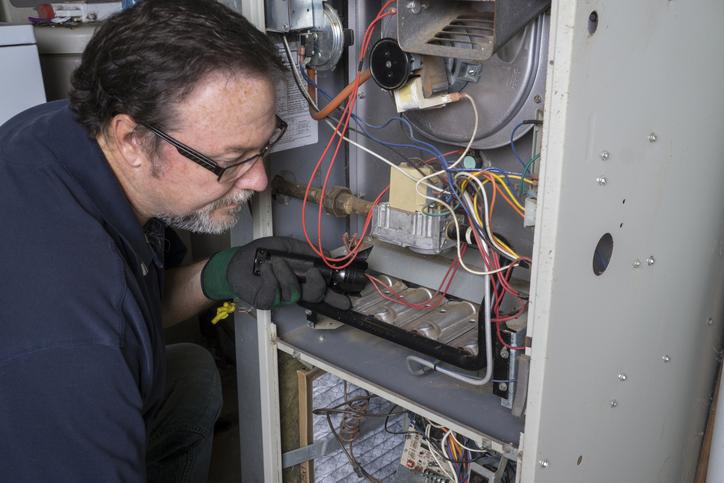
By “size is also everything”, we don’t mean they need to be as big as you can possibly get them. Rather, the important thing to consider after finishing your HVAC training is to find a furnace that is sized proportionately to the one previously in place, and is also a newer model.
This not only helps with the flow of air in the home, but with the system’s efficiency as a whole. Should you not pick a correctly sized furnace, problems could occur. This includes the unit overworking itself to provide better cooling or heat if too small, or uneven temperatures if too big. However, be sure to double-check that the size calculations are correct, even if it’s technically the same size as the previous furnace.
Make Sure Air is Properly Distributed at All Times
This is one of the most crucial parts of a successful HVAC installation, as it can otherwise lead to uneven cooling or heating. HVAC school students should be aware that proper air distribution design is a must, and that the ductwork is symmetrical in size to the unit’s output capacity.
To achieve this, apply new ductwork rather than the preexisting one, and be sure it’s distributing air evenly. Another of the more important aspects to keep in mind is proper ventilation. You’ll need to ensure the HVAC unit you’ve installed has a strong balance of both hot and cold air, and that the air is balanced and flows cleanly throughout the home.
Want to start your HVAC technician training?
Contact North American Trade Schools today!
3 Things Everyone in Home Renovation College Should Know About Home Remodeling for People with Disabilities
July 30, 2020

When someone has a disability and wants to live comfortably in their own home, it must be repurposed to accommodate their needs. Remodeling a home with accessibility in mind can be tricky, but there are ways it can be done. When prioritizing the needs of those with disabilities, you’ll need the right tools and an eye for design. Whether physical or cognitive, you can get creative with how you remodel homes and make a positive difference in their quality of life.
While different people will have different needs for improving their home’s accessibility, these are some general tips that can help guide you along with these types of projects. Here are three things you should know about home remodeling for people with disabilities.
Make Sure the House Is as Easy as Possible to Navigate
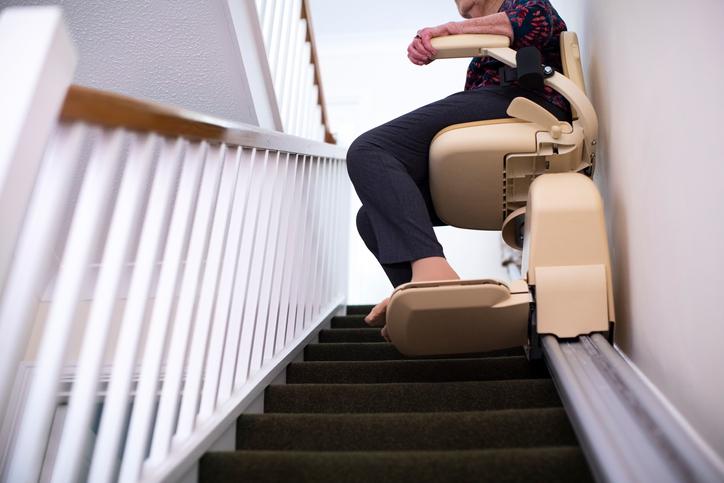
For any remodeling project with disability in mind, the top priority must be to ensure those living in the home can have optimal mobility within it. This means you must make it so that they can navigate all areas of the home with ease. For example, you can install a stair lift on flights of stairs, so that those with mobility difficulties can sit on the lift as it moves up and down. You’ll also want to make sure the home’s flooring is smooth and wheelchair-friendly, and that the kitchen is also re-designed for accessibility. Furthermore, make sure all doors in the home are wide enough for them to easily enter and exit (though this may be a time-intensive part of the project), and that doorknobs are low enough for those in a wheelchair to open them.
When You Become a Home Renovation Technician, Focus on the Outside Too
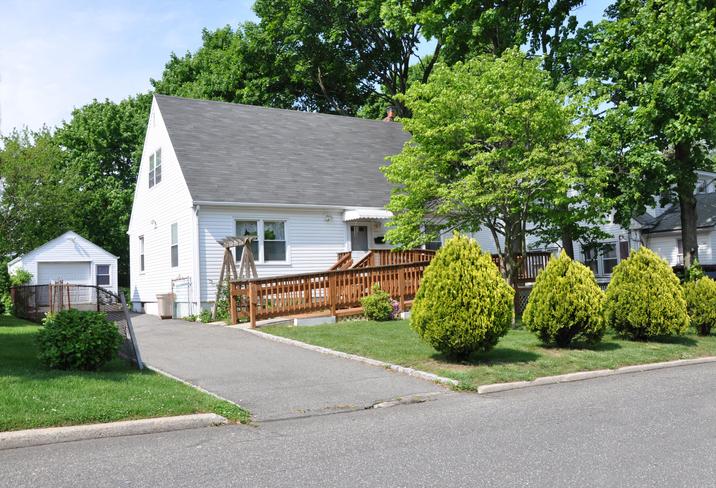
If you’re remodeling the home of someone with a disability after your home renovation technician training, keep in mind that the accessibility of both the interior and exterior of the home should be accounted for. Therefore, think about how outdoor areas such as the backyard can be remodeled, such as widening doorways. You can work on paths so they can be more friendly for those with reduced mobility, or you can try to make the ground more level so that those in a wheelchair can go outside without risk of falling. One of the easiest ways to make the exterior more accessible is to add ramps in the front and the back, so those living in the home can easily move in and out.
The Bathroom Is Also a High-Priority Area in the House, Especially for Safety
Perhaps one of the most crucial areas of the home to remodel is the bathroom, as not doing so can create safety hazards for the person living in it. After you become a home renovation technician, the most important parts of a bathroom to repurpose are: the doorways (to ensure they are wide enough for easy access), sinks and countertops (so that they’re low enough to be used by those in a wheelchair), bathtub (a roll-in or walk-in bath is likely your best bet) and the shower (installing a walk-in shower is ideal for safety and mobility reasons). Another feature you can add to the bathroom is grab bars, which improve accessibility for those living in the home, since they can grab onto them whenever necessary—for example, on the sides of the toilet.
Do you want to take courses at a home renovation college?
Contact North American Trade Schools for more information!
Ready to Become a Home Inspector? Here’s How to Inspect Homes Safely During the Pandemic
July 24, 2020

The ongoing COVID-19 pandemic has impacted virtually every industry, including home inspection. As a result, changes to how home inspectors approach their day-to-day responsibilities are necessary, leading to a re-think in how home inspections are performed.
Between practicing physical distancing and staying two meters apart from others, to limiting the number of people allowed in the home during the inspection, to wearing protective headgear at all times, there are many ways you can get around the circumstances surrounding the pandemic and successfully complete an inspection. Here are some tips for how you can safely inspect homes during the COVID-19 pandemic.
Make Sure Safety Precautions Are Taken by Those Living in the Home
Before starting any home inspection during the pandemic, it’s of the utmost importance that all parties are kept safe, healthy, and are not vulnerable to possible infection. Among the steps that should be taken include asking those living in the home a series of questions regarding the virus. These include asking whether or not they’ve been exhibiting COVID-19 symptoms within the past two weeks (or if they have previously tested positive), if they’ve been in contact with any suspected or confirmed cases of the novel coronavirus, or if they’ve been travelling anywhere in recent weeks. Other steps you can take include emphasizing the importance of physical distancing while the inspection is ongoing, signing inspection contracts online rather than in person, and restricting how many people can be in the home during the inspection.

During Your Home Inspection Career, Protect Yourself in Times of Crisis
Although it’s incredibly important to make sure people in the home protect themselves during the inspection, anyone wanting to become a home inspector should be certain that they’re maximizing their own protection during a crisis situation such as a pandemic. This includes wearing latex gloves, face masks, protective headgear, and any other clothing that can help shield from infection.

Additionally, you would be wise to wash your hands regularly, disinfect and clean surfaces you have touched during the inspection after it has concluded, and keep hand sanitizer with you at all times. Even if you are asymptomatic, you can still carry the virus and transmit it unknowingly to others, so protecting yourself and those in the home from any potential risks is a must. Should you exhibit any symptoms yourself, or be in contact with any suspected or confirmed cases, postpone the inspection and reschedule for when you will be healthy again.
Lastly, Consider Using Videoconferencing Platforms for Inspection-Related Purposes
As much as you may do your best to prepare yourself for circumstances like a pandemic during your home inspection career, there is a likelihood that some clients may not be comfortable with having inspectors in their homes due to fear of contracting the virus and the importance of physical distancing. If you have clients who are reluctant to allow new people into their homes even for an inspection, you can suggest that they not be present in their home for the inspection, and that any follow-up be done via videoconferencing. This can be done on an application such as Zoom, Google Meet, or FaceTime. This way, you can discuss matters related to the inspection and reviews/reports without needing it to be in person, and could be a creative solution given the crisis.
Do you want to start your home inspection training
Contact North American Trade Schools to find out more!
Considering Pre-Apprentice Maintenance Electrician Training? Here’s a Day in the Life of an Electrical Technician
July 21, 2020
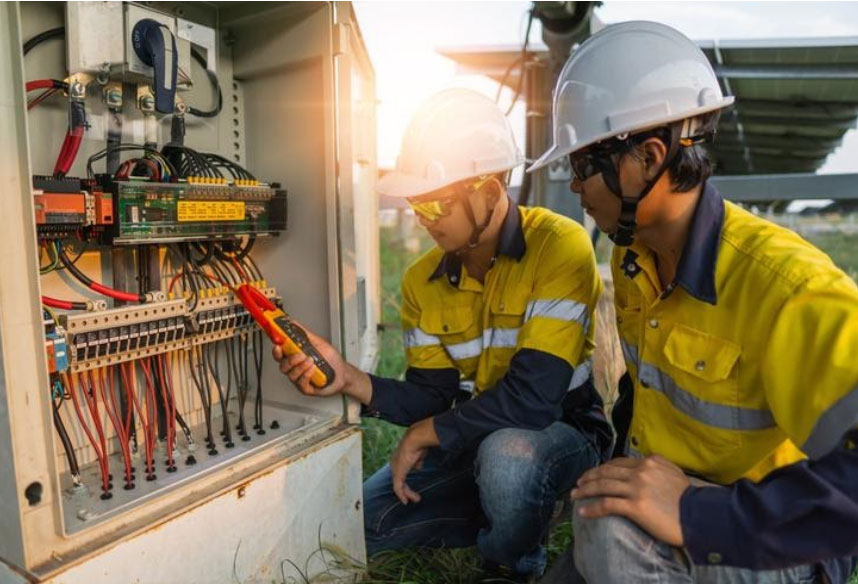
Heading out on any new career path, it’s normal to have a level of curiosity about where that path will lead. You might wonder about what your responsibilities will be, or what kinds of environments you can expect to work in, or have other important questions as you look forward to your coming future.
If you find yourself in this situation while considering a construction and maintenance electrician pre-apprenticeship program, take a look at this quick guide to a day in the life of an electrical technician. It should give you some decent answers to many of the common questions regarding this career path, and get you excited for your future.
Pros With Pre-Apprentice Maintenance Electrician Training Use Diagnostic Tools to Find Problems
As much as modern electronic technology offers many benefits, it also has this habit of breaking down in a way where the problem isn’t obvious. This means electrical technicians often spend a part of their day using diagnostic tools to try and locate where the problem lies in a faulty machine or electrical setup, so that it can later be fixed.
A couple examples of tools commonly used in this work include: voltage testers, which verify whether voltage is present in wires, outlets, switches, or other electrical components. Another tool is circuit breaker finders, which identify which breaker controls an outlet. Several variants on these tools also exist, with each having slightly different capabilities and applications. You will get to learn about many of these different instruments, and how to correctly use them, when you begin your pre-apprentice maintenance electrician training
Electrical Technicians May Do Repair or Maintenance Work on Electrical Systems
Once a problem has been identified within an electrical system, electrical technicians are frequently the ones called upon to fix it. The scope of this work can be quite wide, with many interesting challenges for qualified professionals to tackle.
After your pre-apprenticeship program, your electrician career in construction could involve everything from fixing or replacing light fixtures, to redoing faulty wiring, maintaining, or repairing motors in equipment, and many other interesting tasks.
Needless to say, there’s a lot of skill that goes into performing these tasks well, not the least of which is knowing how to complete the work safely. Attending a pre-apprenticeship program like the one at North American Trade Schools will give you the opportunity to learn repair and maintenance techniques hands-on. This can help ensure that by the time you enter the workforce, you know exactly how to keep yourself and others safe when working with electrical equipment and components. It’s a foundational skill that offers benefits to last a lifetime.
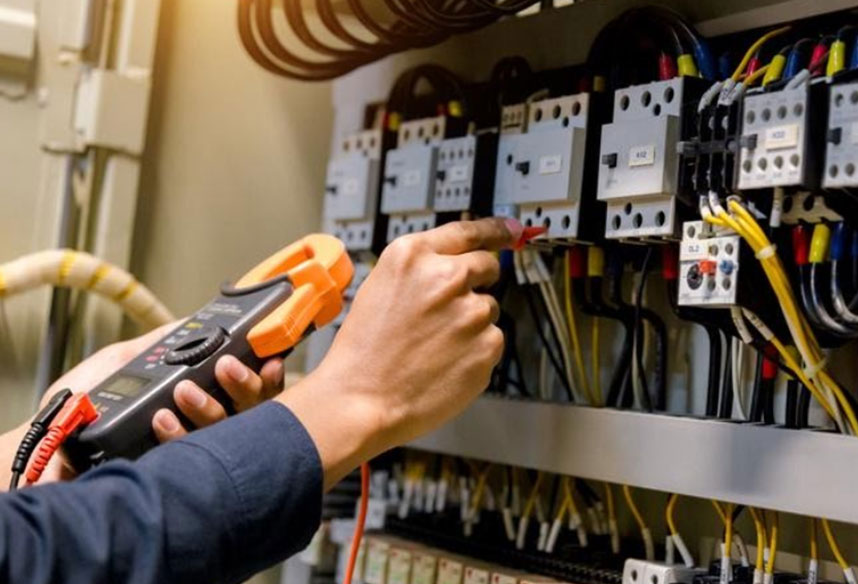
You May Have to Perform Inspections as a Maintenance Electrician
One of the most important parts of many electrical technicians’ days is performing inspections of electrical equipment and systems to ensure they are working as they are meant to. Any deficiencies that are noticed in the process of these inspections are typically noted down, and likely lead to diagnostic and repair work later on.
Inspections of this nature are critical. They might mean the difference between catching a problem early on, versus being confronted with an unexpected breakdown or scrambling to get it fixed. In Ontario, electrical inspections are mandatory for renovations, new construction, and in many industrial and business settings. This means there is no shortage of this type of work out there.
Want to get your electrician diploma?
Contact North American Trade Schools for more information about how to become a construction electrician by enrolling in a pre-apprenticeship program!
3 Steps to Starting Your Own Business after Construction School
April 07, 2020

If you are business-minded with an entrepreneurial spirit, you might be considering starting your own business after graduating from a construction program. Business owners can enjoy a flexible schedule, ample learning opportunities, and competitive remuneration.
However, starting a business is far from simple. Even the best construction worker in the world will need to conduct market research, have a basic understanding of finance and accounting, and learn about law and marketing.
Read on to find out more about what it takes to start your own business after construction training.
Step 1: Do Your Research
Before even thinking about launching your own business, you will need to conduct in-depth market research to establish demand and rates. Is there demand for another construction business in your area? How much are people paying on average for typical projects?
If you have any friends or acquaintances working in the industry, make sure to ask them for any insights. You could also do some research online and use social media to identify your main competitors, or even conduct surveys and organize small focus groups.
Use this research to form your business plan and identify your unique selling point (USP). What can you offer customers that no one else can? Is it a better price point? Or expertise in one particular area? Whatever it is, use it to your advantage in a career in construction.

Step 2: Prepare an In-Depth Business Plan for Your Career in Construction
Once you’ve done your research, you’re ready to write your business plan. Make it as detailed as possible,marking out your goals for each month and including estimated annual turnover and gross profits. This will be particularly useful if you need to apply for funding from a financial institution.
This should also give you an idea of how much money you’ll need to get started. After studying at construction school, you should have a good idea of all the tools and equipment you’ll need to work as an independent construction worker.
Calculate how much you’ll need to invest in these, as well as in vehicles, marketing, and software. It can take a while for any new business to start making money, so make sure you have a cushion for the first few months.
You’ll also need to decide who you want to work for. Do you want to work for residential property owners or businesses? Are you looking for small jobs or bigger, long-term projects? As well as this, how many staff will you need to hire? Or will you choose to work with contractors? Thinking about these things early on will help you form a clearer picture in your mind of what your business will look like, and what you need to do to get it off the ground.
Step 3: Check the Paperwork
As with any new business, you will need to make sure that you’ve completed all of the necessary paperwork correctly. You will need to register your business for an EIN, and have all the right licenses and permits. You will also need to get insurance to protect yourself and your business.
If you’re concerned about legalities or taxes, it might be a good idea to hire a lawyer or an accountant. You could be the best construction worker in the world, but if you can’t take care of the administration of your business, it won’t go far!

Do you want to learn more about construction trades?
Contact North American Trade Schools for more information!

To the untrained eye, all wood types may appear somewhat similar, apart from slight variations in colour. However, cabinet makers know that not all woods are created equal. Each has its own grain, texture, and density that makes it well-suited for a particular purpose – and it’s up to cabinet makers to discover what that purpose is.
Generally speaking, hardwoods like maple and hickory are great for projects requiring sturdy framing, whereas softer woods like fir and spruce are ideal for pieces like baseboards and wall studs. But even within these two overarching categories are a wide variety of wood types with unique characteristics.
If you’re interested in cabinet making school, read on to learn all about the popular types of wood you’ll encounter in your studies!
Pine: A Popular Wood Type for Construction
This lightweight softwood is an excellent choice for structural projects such as roof trusses and joists because it is unlikely to swell and shrink. Couple that with its amber colouring and knotty characteristics and you’ve got a wood type that adds a rustic effect to cottages, cabins, lodges, and more. If your pine project is exposed to the elements, however, it’s important to treat it beforehand to prevent it from rotting over time.

Maple: A Durable Wood Cabinet Making School Graduates Will Love
With a smooth, even wood grain and an ability to work well with a variety of finishes, maple is a popular choice for home decor pieces. It is also one of the hardest types of cabinetry wood, making it great for durability as well as design.
Maple cabinets usually come in a creamy white hue, but a cabinet door panel may feature some reddish-brown colouring. You will also find yellow and pink tones in the wood, along with tan coloured mineral streaks that darken with stain.
Oak: A Common Wood You’ll Encounter in Cabinet Making Courses
If you’re interested in cabinet making training, you’ll quickly learn about the power and popularity of oak. This versatile wood has been used in fine furniture for years and offers numerous variations to suit a wide variety of projects.
Red oak – especially selections with complex flame or arched grain patterns – is one of the most popular hardwoods for cabinets. White oak, in contrast, offers straighter grains but tends to be more expensive.

Spruce: A Sturdy Wood Selection for Cabinet Makers
If you’re looking for the perfect wood type for economy or utility purposes, spruce fits the bill. When it comes to softwoods, spruce is more dense and solid than pine. However, its straight grain exhibits less character than other softwoods, so it’s used more for its strength than its style.
Curious to learn more about cabinet making courses?
Contact NATS for more information about our programs.

Heating, ventilation, and air conditioning (HVAC) technicians specialize in keeping houses and the people that live in them warm in the winter and cool in the summer. Read these tips and tricks to make your customer’s home a firelit haven, sheltered from the icy elements outdoors.
Seal Any Gaps When You Become an HVAC Technician
One of the main causes of a cold house is gaps around the doors and windows that let hot air out and cool air in. When you become an HVAC technician, the first thing you should do when you get a new client is examine their home for any unsealed gaps.
They can use an acrylic-latex caulk to seal any gaps around the window frames or a spray foam that will expand into any unfilled crevices. This will also help clients to save on their energy bills, as they will need less energy to heat their homes.
If the house has a fireplace, the chimney pipe could be letting cold air in,too. When the fire is not lit,advise clients that they should close the damper. However, make sure they know to check that all embers have fully burnt out – otherwise, smoke could fill their home.

Reverse Any Fans
You might assume that fans are only useful in the hot, summer months when you need to cool down. However, fans can also keep a house warm. If you reverse the direction of the fan so it’s spinning clockwise, it will stop the hot air from rising, and push it back down to warm the room. This can be a very useful tip for many clients.
Look After The Furnace and Outdoor Unit
The majority of HVAC systems have an outdoor unit attached to the outside of the house. Even though this is built to withstand cold temperatures and heavy snow, it is still a good idea to shelter it in someway. You could build a small, temporary shelter out of wood, or use a plastic cover. This will protect the fan from freezing so that your house stays warm all winter.
At HVAC college, you may also learn the importance of checking the furnace filter. This can become dirty over time and needs to be regularly cleaned and replaced. A dirty furnace filter will not be as effective, and will mean that the house needs to use more power to generate heat.
Thermostat or Portable Heater? It Depends
Both thermostats and portable heaters have an important role to play during winter. To save energy, it’s recommended that clients program the thermostat so that it automatically turns down when they are asleep or at work. The recommended temperatures are 20 degrees Celsius in the mornings, evenings, and weekends when at home, and 10 degrees Celsius when at work, asleep, or out of the house.
If a client needs to heat up their house fast,you should advise them that turning the thermostat to max is not the answer. This will drain energy and could damage the thermostat. It also won’t be effective, because the thermostat is designed to maintain a constant temperature.
In these situations, it’s better to use a portable heater. These can generate a lot of heat from electricity in a short amount of time. However, clients need to be sure to switch them off when they are not in the room, so as not to create a health and safety risk.

Do you want to find out more about HVAC certification?
Contact North American Trade Schools today!

Have you ever found yourself staring at the properties on sale in a real estate agency’s window even though you’re not looking to buy? Do you love troubleshooting problems around your own home? Are you passionate about property in general? If so, then a career in home inspection could be for you!
Home inspectors offer a consulting service to anyone looking to buy a residential or commercial property. They evaluate a home by inspecting its roofing, structure, electrical, heating, air conditioning, exterior, insulation, and interior.
Qualified home inspectors can benefit from competitive salaries and a flexible schedule. Read on to find out whether you should consider becoming a home inspector!
1. There is Steady Demand for Home Inspectors
For as long as people and businesses continue to buy property, there will be demand for home inspectors. A home inspection is always recommended, if not required, before purchasing a property.
There are millions of properties across Canada and real estate transactions are always taking place, meaning that a home inspector is unlikely to ever be out of work! The demand for home inspectors in Canada is predicted to remain steady over the next few years. This makes it a great career for anyone looking for job security.
2. Become a Home Inspector to Earn a Competitive Salary
Home inspectors can earn well above minimum wage, especially as they become more experienced. The average salary for a home inspector in Canada is more than $32 an hour, which equates to around $66,500 a year. This is significantly more than the average salary in the country.
3. Help People with One of the Biggest Investments of their Lives
If you’re a people person and are looking for a rewarding career that involves helping others, a home inspection career might be for you! While it might not be the first job that comes to mind, home inspectors help people with what could be the biggest investment of their lives.
Buying a home is not a small decision.As a home inspector, you are helping others to make the right choice, and your advice could help to save your clients hundreds of thousands of dollars.

Because home inspectors need to have strong interpersonal and communication skills in order to work with the public, it’s also a great career for anyone who is good with people. In home inspection training, students will learn communication skills as well as practical knowledge about homes to help equip them for both of these aspects of the job.
4. Enjoy a Flexible Schedule and Start Your Own Business
One of the other great things about being a home inspector is the flexibility that it offers. You can choose to take on work and schedule inspections when it works for you, making it easy to balance around your other commitments. You also have the option to start your own business to give you even more flexibility.
5. Don’t Break Your Back!
A home inspection career is hands-on without being physically demanding. If you’re interested in construction, for example, but not keen on the physical aspect of it, or want something that you can do as you get older, home inspection could be a perfect fit.
Additionally, if you’ve spent a lifetime working in construction or HVAC and are now looking for a new challenge, home inspection could be for you. It will allow you to put your knowledge and practical background to good use.
Do you want to become a home inspector?
Contact North American Trade Schools today!
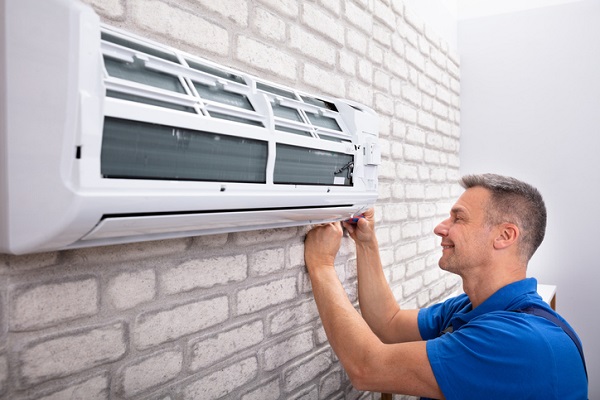
Since heat pumps are such a common tool in the heating, ventilation, and air conditioning (HVAC) industry, aspiring technicians should expect to become very familiar with them throughout their education and future career. Read on for an introduction to heat pumps to get you warmed up!
Learn How Heat Pumps Work With an HVAC Diploma
Heat pumps are not a new technology. In fact, the first heat pump was invented in 1948 by Robert C. Webber. Since then, the technology has been developed to resemble the air conditioning and heating units we have in our homes and offices today. HVAC technician courses will give you the opportunity to learn hands-on how this technology works.
Heat pumps can provide both heating and cooling services. In heating mode, heat is absorbed from outside by the condenser coil and transferred to the interior space via air vents. Even on cold winter days, heat pumps are able to collect warm air from outside. However, if there’s not enough warm air outside, heat pumps can use electric energy or an additional gas furnace to provide extra heat.

In air conditioning mode, the cycle is reversed. Warm air inside the house is pulled into the system with a motorized fan and transferred outside, usually behind or underneath the condenser coil. Cool and dehumidified air then enters the home through the air vents.
Heat Pumps are Energy Efficient
Eco-conscious homeowners will be relieved to discover that heat pumps are incredibly energy efficient. As you will learn in HVAC technician training, heat pumps generate 4 units of thermal energy per 1 unit of electricity used – that’s an efficiency rating of 400%!
In contrast, electrical heaters are 100% efficient, meaning that they generate 1 unit of thermal energy for every 1 unit of electricity. As well as this, heat pumps generate zero emissions, so are a great option for people that want to warm or cool their homes without damaging the planet.
Air Source vs. Ground Source Heat Pumps
As an HVAC technician, you will need to know about two main types of heat pumps: air source and ground source. Air source heat pumps are the most common type and absorb or reject heat from the outdoor air.
As the name suggests, ground source heat pumps get heat from the ground or from water. These are sometimes referred to as geothermal heat pumps and are actually slightly more efficient than air source systems. However, they are more expensive and complicated to install as the systems will need to be built into the soil around a home.
What are the Main Heat Pump Parts?
Air source and ground source heat pumps are made up of a number of components. These include:
- Compressor– to move the refrigerant through the system
- Control board – to control whether the system is in cooling or heating mode
- Condenser coil – to transfer heat outside in cooling mode
- Evaporator coil–to transfer heat inside in heating mode
- Refrigerant – a chemical substance that moves heat through the system
- Thermostat – to choose the desired temperature
Are you interested in a HVAC diploma?
Contact North American Trade Schools to find out more!