Author: toppyhem
Dangerous Mould: 3 Signs to Look For After Home Inspector Training
November 22, 2022




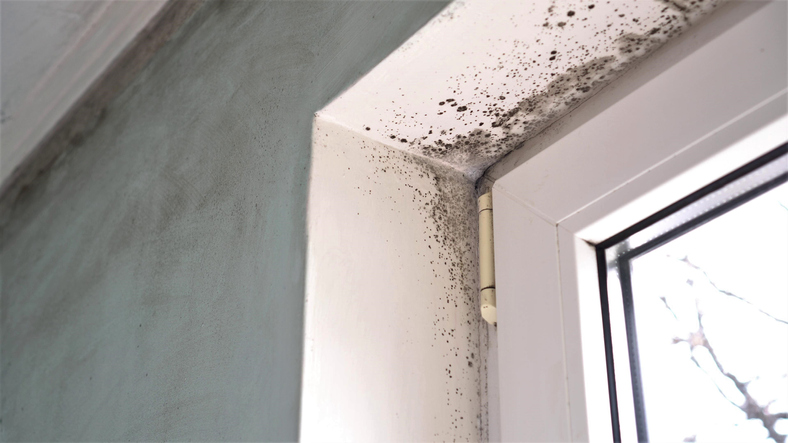
Are you looking forward to a career as a home inspector? If so, you will play a crucial role in the safety of the public. Your primary objective as a home inspector will be to serve as a consultant for home buyers seeking to make an informed decision about the residence they’re considering. Your expertise ensures that they don’t dig themselves into a financial hole, purchasing a home that will require expensive repairs or updates. Most importantly, you’ll make sure that your clients don’t purchase a home that poses a risk to their health and safety.
What kinds of risks should you be on the lookout for? While there is plenty to be aware of, dangerous mould will be a chief concern. What exactly is mould? What signs will alert you to a mould problem in a house? Keep reading for the answers to all of these questions below.
What Is Mould?
Mould is a type of fungi that can easily grow and reproduce in oxygen. It thrives in damp areas. In a natural environment, mould actually serves an important purpose in the ecosystem, aiding the decomposition of dead plants, animals, and other organic materials. That being said, when mould spores attach themselves to a building, they can pose a serious risk to the health of inhabitants.
Mould contamination can exacerbate respiratory conditions like asthma and allergies. Skin conditions, post-nasal drip, and flu symptoms are also not uncommon. There are multiple species of mould, but Penicillium, Cladosporium, and Aspergillus are most commonly found in buildings. Here are three signs to watch out for after home inspector training.
A Rotten or Musty Smell in the Air Could Be a Sign of Mould
Odour is one of the most obvious indications of mould–the smell of a mould-contaminated area is pretty distinct. You might notice a smell that resembles rotting or an odour that can only be described as damp. It’s common for the smell to come from carpets, cling to furniture, and spread from air conditioning and heating equipment, as these are all areas where mould spores can easily thrive and reproduce. Be sure to take a deep breath upon walking into a home you’re inspecting, and pay special attention to mould-friendly surfaces and basements, which are vulnerable to flooding and excessive moisture.

Watch Out for Warped Walls After Home Inspection Training
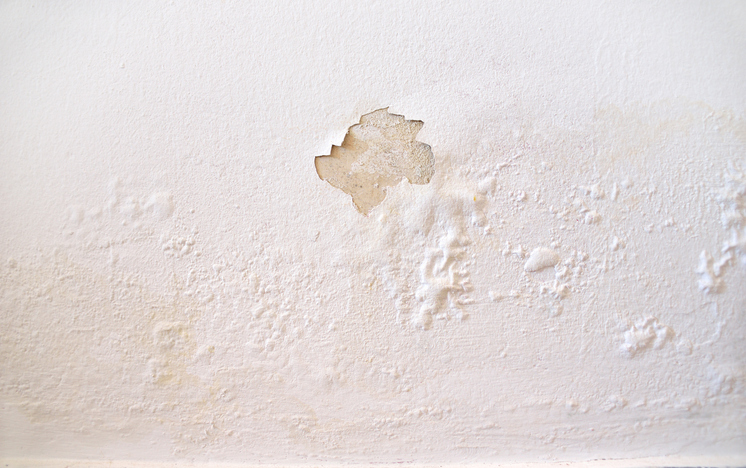
Warped walls are a visible clue you can easily spot after home inspector courses. You may see discoloration on walls and ceilings, bubbling paint, peeling wallpaper, the appearance of dark spots, cracks, and the loss of the wall’s original shape. These effects are a sign that mould is growing behind the walls. Over time, mould can weaken a home’s structure, making it more vulnerable to damage. As you can imagine, this will lead to a rather expensive repair process down the line.
Be Aware of Past Water Damage
As a home inspector, you’ll learn that damage in a house can be sneaky, presenting very few evident signs like the ones discussed above. With mould, it can take years for any symptoms to show themselves. For this reason, it’s important to be as knowledgeable as possible of a house’s history to evaluate whether there is a risk of mould contamination.
Sometimes, information from sellers is limited–intentionally and unintentionally–so watch out for signs of water damage during your inspection, like flooding, discoloured walls, and damp walls. If you’re excited to learn more about home inspections, you’re in the right place. The Home Inspection Program at NATS is designed to address inspection methods for roofing, electrical, HVAC, plumbing, exterior, interior, and insulation in accordance with the Canadian Association of Home & Property Inspectors (CAHPI) standards.
Ready to become a home inspector?
Contact NATS for more information!
Architectural Millwork: An Intro for Students in Cabinetmaking Training
November 16, 2022

Do you love working with your hands and seeing a future for yourself in the construction industry? If so, it’s a great idea to scope out all of the career paths available to you before getting started. If it’s not on your radar yet, you should definitely consider architectural millwork. It’s a great option for those who have a creative streak and an appreciation for aesthetics. Learn what architectural millwork entails, what sort of environments you can expect to work in, and what duties and skills are required. This rewarding career allows you to take pride in your handmade creations, which will be components of buildings for years to come. Keep reading for a comprehensive guide to architectural millwork.
What Is Architectural Millwork?
Architectural millwork (often called architectural woodwork) is simply the production of different components that will be used internally and externally on architectural structures. Your projects may be purely functional, decorative, or a bit of both, depending on the needs of your company’s clients. Common project types you may encounter include wall paneling, trim, doors, casework, staircases, and countertops.
Unlike traditional millwork, wood is not the only material you can expect to work with on a regular basis, as plastic laminates could show up from time to time. That being said, there are different types of architectural millwork. Keep reading to see which one you’d prefer to pursue after cabinetmaking training.

Work Environment Options to Explore After Cabinetmaking Training
There are two primary types of architectural millwork that could have you working in vastly different environments. Commodity millwork takes place in a manufacturing setting where the goal is to mass-produce pieces. Projects in this setting are usually made from cheaper materials since clients, often development companies, are looking to build as many structures as they can at the lowest possible price.
If you value workmanship over efficiency, seeking a position in a custom millwork company after completing your cabinetmaking diploma program is a great idea. In this environment, the goal will be to produce high-quality bespoke pieces for clients, and you’ll have the opportunity to perfect the artistry of your work.

Required Duties, Responsibilities and Skills for Architectural Millwork
Effective architectural millworkers must have manual dexterity, an understanding of materials, and an eye for detail to produce excellent quality woodwork pieces. In addition, they must have the ability to work in a team with excellent communication and collaboration skills. The Cabinetmaking Training Program will prepare you to take on a position in a variety of woodworking careers. The program emphasizes hands-on carpentry, making it the perfect introduction for students interested in a future career in architectural millwork. As the development industry continues to thrive and skilled handiwork is needed, those who choose architectural millwork have a great chance of enjoying a hands-on, lucrative career.
Ready to enroll in cabinetmaking courses?
Contact NATS for more information!
How to Succeed in Your Electrical Apprenticeship After Electrician Training
November 15, 2022

The road to becoming a licensed electrician is a rewarding one. First, you’ll learn the fundamentals of the trade in a certified training program. Once you’ve learned the basics, you’ll have the opportunity to earn money as you learn during your apprenticeship. This is a great time to hone your skills, learn the electrical codes in your area, purchase the right tools, learn how to use them properly, and make meaningful professional connections. Let’s explore some effective ways to succeed during your electrical apprenticeship!
Ask Questions to Absorb as Much Information as You Can
You may need to approach your apprenticeship differently than you might other positions. While being able to earn an income is a huge perk of an electrical apprenticeship, your main priority should be to learn and practice your skills. Whenever you can, try to absorb new information. Listen attentively when others offer feedback and try to remember it. Keep your eyes open when licensed electricians complete tasks.
As you watch, look for parts of the process that don’t make sense to you and ask clarifying questions. As your apprenticeship progresses, try to answer some of your own questions using your prior knowledge and experience. That being said, it’s always a good idea to double-check when you’re unsure. Remember that mistakes are a normal part of the learning process, and try your best to turn yours into valuable learning experiences after electrician college!

Understand the National Electrical Code
This one may take some time. The Canadian Electrical Code is a long document published by the Canadian Standards Association. It’s full of information about how to safely install and maintain electrical equipment in Canada. It’s a great idea to make sure you have access to a copy that you can refer to when you need extra clarification. A clear understanding of electrical standards will help you stay safe on the job, as well as protect the safety of clients. Have faith in the learning process! With time, you’ll become familiar with the electrical code in your area. Keep in mind that the Canadian Electrical Code is revised every three years, so be sure to stay up to date.

Master the Art of Networking After Electrician Training
During and after electrician training, networking should be a priority. Your success in most fields will depend heavily on your ability to build meaningful relationships in the workplace–in addition to your skill and experience level, of course. On the job, try to be personable and open to meeting new people. You have no idea what conversation could lead to a major opportunity for career advancement, so always put your best foot forward and don’t hesitate to share your contact information when you’ve established a connection.
Your electrical apprenticeship will be an exciting phase of your career. The Construction & Maintenance Electrician Pre-Apprenticeship Diploma Program can help you find success as you learn and earn. Receive hands-on training on electricity principles and applications, blueprint reading, framing, and more!
Ready to enrol in earning an electrician diploma?
Contact NATS to learn more!

In recent years, we’ve seen record-high temperatures across the globe. Many homeowners are recognizing the importance of good ventilation and cooling units–and that’s where you come in as an aspiring HVAC technician.
HVAC technicians are responsible for the installation, maintenance, and repair of heating, ventilation, and air conditioning systems. Here are a few installation tips to remember when installing HVAC units, and how our HVAC technician program can help you launch a successful career in this industry!
1. Start by Determining Your Heating and Cooling Loads
The heating and cooling load refers to the rate at which heat should be supplied to or removed from a space in order to maintain a particular temperature range. Several factors go into determining this like the location, size, and age of a home. In addition, you’ll need to take into account the materials that were used to make up a home, the number of doors and windows, the amount of direct sunlight, the amount of shade, and whether or not the homeowners have special needs due to allergies and other health conditions.

Once you’ve come up with this important information, you can go on to take a look at the ductwork that’s been done and make any needed repairs or replacements. As you’ll learn in HVAC technician training, poor ductwork can cause imbalances and, as a result, block airflow and decrease air quality. To boost your ductwork, you may consider adding insulation that can improve the performance of HVAC systems.
2. Be Sure That You’ve Chosen the Correct Sized Unit
A large unit is not always better. If a system is too large for a homeowner’s space, it actually becomes inefficient. In fact, systems that are too large for a particular space can experience degradation faster, which will affect the longevity and performance of the unit. That being said, a small unit wouldn’t be appropriate for a large space as it will not effectively heat or cool the space.
How can you ensure that you’ve sized the unit correctly? First, determine the square footage of the space. Then, multiply the square footage by 25 BTU (British thermal units), the rough amount of energy it takes to heat or cool one square foot. This will give you your base BTU amount. Finally, take the height of the ceilings into account. If the ceilings are above 8 feet, multiply the base BTU amount by 1.25. This is a very basic calculation that does not take into account the climate, amount of people living in the home, or the number and placement of doors and windows. You’ll learn more about this process in HVAC school.

3. Make it a Habit to Check Your Lines After HVAC Technician Training
Refrigerant lines connect an outdoor air conditioner or heat pump to the indoor evaporator coil. It’s essential to check these lines for leaks. If you find refrigerant lines that are in poor condition, be sure to run high-quality replacement lines in a location that provides easy access. In the HVAC Technician Diploma program at NATS, you’ll learn how to install and maintain HVAC systems and work with tools like metal snips, electric drills, testing devices, and more. Students can write their G3 gas technician exam after the first module and the G2 gas technician exam after graduation.
Interested in our HVAC technician diploma program?
Contact NATS to learn more!

Homes are designed to last long and stand up to the elements, but even the most quality-built homes begin to falter as they age. Over time, these imperfections can seriously affect a house’s functionality and safety. If you’re considering a career as a home inspector, you will be responsible for finding these signs of aging for your clients during home inspections.
Throughout your training, you’ll learn all about the systems and components of a house, including roofing, structure, exterior, interior, insulation, and more. Upon completion, you’ll have a deep understanding of what you should look out for when you’re on the job–one of these things being signs indicating old age. Read on to learn 3 things you should watch for during home inspections that could signify old age.
1. Check For Water Stains When You Become a Home Inspector
As homes age, their roofs continually take the worst of the elements from outside. Over time, the roof may wear, and shingles may fall off, making way for leaks, which can cause significant damage to a home if they remain unchecked for too long.
Once you become a home inspector, it will be essential to inspect the roof for damaged or missing shingles. Aging shingles are more likely to have cracks that can allow water to pass through, while damaged shingles will begin to peel and curl as they wear down. These warning signs will let you know the roof needs to be repaired and provide insight into where water might have entered the home.

When water damage is combined with a lack of good ventilation in the home, the atmosphere can allow mould to grow – which can be dangerous to the health of the occupants. A quick way to identify whether a house might have mould is by its musty smell. If you think there may be mould, look for evidence within the house’s interior, especially in bathrooms, laundry rooms and other areas that tend to be humid. Signs to look out for are water stains or discoloured spots and stains on the walls and the ceiling, as well as sagging in the ceiling.
2. Check All of the Windows
Much like the roof of a home, windows take a lot o the brunt from outside conditions, as well. Over time, a poorly flashed or failing window will begin to leak. When you become a home inspector, it’s vital to begin your inspection with the home’s exterior. This way, you’ll be able to spot an old window. It will be thicker on the bottom than a modern window. It may still be in its original frame, displaying its age.
When wooden window frames are exposed to water, they begin to show signs of decay. If the wear is bad enough, the house water stains may appear close to the window. As an inspector, you’ll know this can indicate that:
- The window needs to be replaced.
- You should check the foundation for water damage. If there are water stains in the house, there is a good chance there is water damage elsewhere.
When you check the home’s interior, ensure no mould or dry rot surrounds the windows. Replacing an old window is quite the task, so your clients will appreciate knowing it may be a considerable task.
3. Look for Visible Cracks in the Foundation
In contrast to modern homes, older homes were mostly built using primitive concrete, which is more prone to breakage than the one that’s used today. As a result, when older homes move and settle, cracks can often form in their foundation, leading to issues further down the road.
Another issue to watch for after your home inspector training is the perimeter and underfloor drainage. In older homes, water can sometimes get stuck, often causing mould and decay to the foundation.
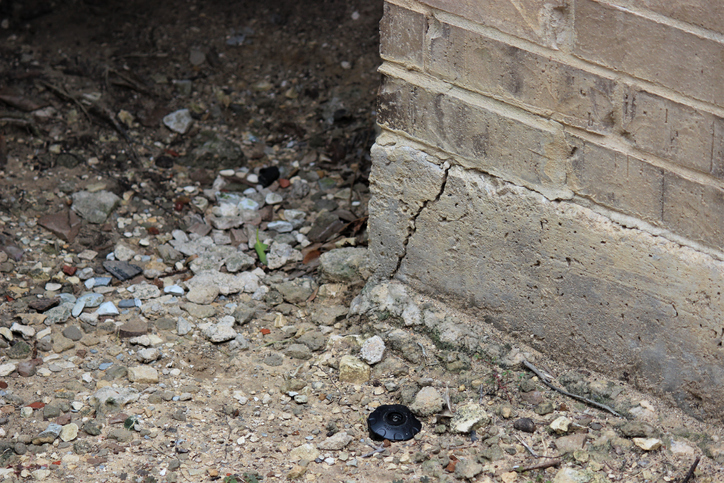
You will be able to spot a failing foundation with a few warning signs. During your inspection of a home’s exterior, you may notice visible cracks on the outside of the house, and inside, you may see slanted or bouncy floors.
Your training will teach you the ins and outs of home inspections, preparing you to enter this in-demand career.
Are you ready to start your home inspector career?
Contact NATS for more information.
4 Reasons to Consider a Career as a Construction Millwright After Welding College
October 18, 2022

Construction millwrights are responsible for installing, maintaining, troubleshooting, and repairing industrial and mechanical equipment. If you enjoy working with machines, are good with your hands, and like to practice your problem-solving skills, this could be the perfect career path for you. Some core responsibilities include reading schematic drawings, blueprints, and diagrams in order to guide your work. In addition, construction millwrights inspect equipment in order to identify malfunctions to be fixed.
On your path to becoming a construction millwright, you’ll have the opportunity to develop many specialized skills that will help you become a sought-after professional in a thriving industry. Are you still wondering if this path is right for you? Here are four great reasons to pursue a career as a construction millwright.
1. The Chance to Work in a Variety of Settings
As a construction millwright, some of your most common employment opportunities will be in the manufacturing, construction, industrial, mining, and electrical industries. This presents you with a range of options when it comes to work environments to explore. Don’t know what sector to start with? No problem! There are so many areas to choose from–if you try one and dislike it, you can simply try another. After completing welding classes and your apprenticeship, you could choose to work in a warehouse, in a construction firm, or in a manufacturing plant.

2. Plenty of Full-Time Positions Available Due to a Labour Gap
Several industry trends have contributed to a labour demand for construction millwrights in Canada, which you should definitely take advantage of. Because of recent economic growth in Canadian manufacturing, there’s been a growing need for personnel that have the skills to service and maintain manufacturing equipment. In addition, large investments in the mining and nuclear power industries have skyrocketed the need for construction millwrights in those sectors as well. Because of this growing demand, you likely won’t struggle to find work for the time being. The assurance of stability is always an excellent reason to consider a career path.
3. Exercise Several Skills on the Job After Welding College
Once you’ve completed the necessary welding technician training and developed the practical skills you need to become a construction millwright, there will be plenty of opportunities to put your many skills to the test.
Troubleshooting equipment will be one of your main duties as a construction millwright. For this reason, you’ll have plenty of chances to practice your problem-solving skills. In addition, interpreting blueprints and diagrams will be a part of your duties, which requires visual-spatial skills. Construction millwright work will provide ample opportunity to polish this specialized skill, which doesn’t always come naturally to people. Other essential skills you can polish during your training and on the job include attention to detail and adaptability.
4. Earn as You Learn During Your Apprenticeship
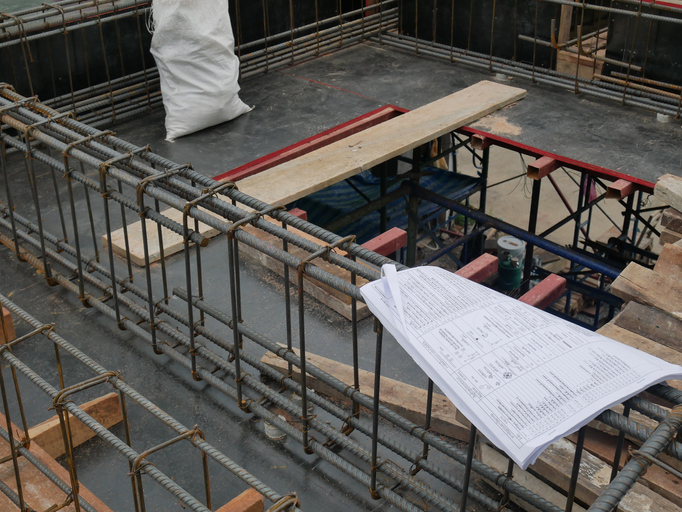
One grievance that many people have when they decide to change their careers is the cost of training for a new job. When you have familial obligations and bills to pay, this can be a big obstacle. However, after training to become a construction millwright through welding college, you can choose to earn as you learn by applying for an apprenticeship. Looking for the right program to prepare you for learning on the job? In the Structural and Pressure Vessel Welder Diploma program, you’ll learn the fundamentals of welding and have the opportunity to put your knowledge to practice in the labs. With the right skills and experience, you’ll be ready to step into a paid job in no time.
Ready to enroll in welding college?
Contact NATS for more information!
Residential vs. Commercial Wiring: A Guide for Those Considering Electrician Training
October 11, 2022

Do you want to launch a career as an electrician? If so, you’re in for a dynamic, interesting, and lucrative work life that will give you the opportunity to collect many valuable experiences and use them to seek higher positions. During your electrical apprenticeship, you’ll likely have the opportunity to explore both residential and commercial wiring. This will allow you to decide on your area of focus down the line as a licensed electrician.
To get you thinking, here are some of the key differences between residential and commercial wiring and what to keep in mind when doing both types of work.
Different Materials Are Used for Residential and Commercial Wiring
One notable difference between commercial and residential wiring is the material the wires are made from. Residential wires, which are typically hidden behind drywall, are only covered with a thin PVC sheath. Commercial wiring typically has a greater amount of insulation in order to withstand higher temperatures. The wires are usually protected by a thick sheath of Nylon, a tough thermoplastic that makes an excellent electrical insulator. In addition, commercial wires are held to higher codes than residential wiring, so higher-grade materials are needed.
A Conduit Is Always Used For Commercial Wiring
An electrical conduit is a metal or plastic tube through which an electrical wire is run; the primary purpose is to protect the wires. After electrician college, you’ll find that the use of conduits depends on local codes. That being said, conduits are generally considered a must in commercial settings. They are used for residential applications as well, primarily when the wire remains exposed as they would be in an unfinished basement, crawlspace, or attic.

After Electrician Training, Load Capacity Will Differ For Commercial and Residential Wiring
Electrical load capacity refers to the total amount of power provided by a building’s main source of power. In general, a commercial setting will have a higher load capacity than a residence. Usually, a single-phase circuit of 120 volts is used. Single-phase systems require only two lines–one for power to enter and a return path. For appliances like refrigerators, washers, and dryers, two-phase systems of 240 volts are used.
When you work in a commercial setting after electrician training, you’ll find that three-phase systems are used, which are comprised of two 120-volt legs and a wider 208-volt leg. This system reduces the load on each individual line while maximizing the overall output of an electrical circuit.

Ease of Access Differs Depending on the Type of Wiring
With residential wiring, safety and aesthetics are the main priorities. For this reason, wires are tucked away and out of sight. This makes residential electrical lines a bit less convenient to access. Commercial wiring on the other hand does not require as much consideration for aesthetics, so they’re often easy to access.
The Construction Maintenance Electrician program at NATS will teach you the ins and outs of residential, commercial, and industrial electricity. In addition to electrical theory, you will leave the program with well-rounded practical skills in code interpretation, circuit building, and print reading. As a result, you will be ready to take up an electrical apprenticeship confidently and competently.
Ready to start electrician school?
Contact NATS for more information!
5 Opportunities For Advancement After Construction College
October 04, 2022

Learning the core principles of electricity and construction is a great way to begin your career. However, you may be wondering exactly how you might continue to advance your career after graduation. Work is often more satisfying when there are opportunities to progress and seek higher, more lucrative positions for yourself. Luckily, you have many options at your disposal when you train as a Construction and Maintenance Electrician with the North American Trade Schools. Below, explore five great opportunities for advancement available with the skill set you’ll gain during your program.
1. Start an Electrical Apprenticeship to Open Doors in Your Career
Electrical construction is a lucrative and interesting field with many opportunities for career advancement and many different work environments to choose from. To open doors in this field, you should first enrol in an electrical apprenticeship after construction college with NATS. This way, you’ll gain all of the hands-on experience you’ll need to wire industrial or residential buildings safely and effectively. When looking for an apprenticeship, do your research and select a reputable company that consistently leaves customers satisfied. You’ll want to learn how to be an outstanding electrician first in order to continue advancing your career.

2. Become a Journeyman Electrician After Construction College
A journeyman electrician is qualified to work on all sorts of electrical systems. The job includes installing, repairing, and maintaining these systems within various settings. After completing your training, taking a four-year apprenticeship, and completing 6000 hours of technical, on-the-job training, you’ll be equipped with the skills for this career. The experience you gain in this position will prepare you to become a master electrician, which will significantly increase opportunities for growth and earning potential.
3. Consider Becoming an Electrical Inspector
After you’ve been working in the field for some time and have developed a degree of expertise, you might consider becoming an electrical inspector. The position involves inspecting generating systems, appliances, electrical wiring, and motors. You’ll work primarily on construction sites and in homes, ensuring that electrical systems are up to code and in good working condition. An electrical inspection may also involve making repairs to bring systems up to standard.

4. Are you a Good Teacher? Become an Electrical Instructor
Once you’ve gained confidence in your skills after graduating from construction school, instructing is a great option. This career path is very rewarding as you can use your knowledge and experience to help others pursue a career they’re passionate about. Responsibilities include planning and preparing learning materials, teaching the core principles of electrical technology, and adapting teaching methods to meet the needs of each student. In some cases, you may be asked to contribute to program planning.
5. Work For Yourself as a General Contractor
Have you always wanted to try your hand at business? You’re certainly not alone. Entrepreneurship can be extremely lucrative and fun, especially in the construction sector! Once you’ve become a master electrician, which involves three years of field experience and passing a licensing exam, you can run your own electrical company and enjoy the freedom and limitless possibilities that come with entrepreneurship. General contractors have the opportunity to work in industrial, commercial, and residential environments, depending on what clients they cater to.
Ready to start your path in one of the construction careers?
Contact NATS for more information!
Interested in Home Renovation School? The Benefits of Home Remodeling
September 27, 2022

Are you thinking about pursuing a career in home renovation? If so, there are many amazing benefits in store for you. As a renovation technician, you will be able to improve the lives of your clients by transforming their living spaces. Of course, you can enjoy the same benefits you provide for your clients in your personal space and that of your friends and family. Here are just a couple of benefits to home remodelling–perhaps these awesome perks are enough to spur the beginning of your career in home remodelling!
Save Money When You Become a Home Renovation Technician
Home remodelling (even the simplest part of the process) is costly. Through a variety of courses in carpentry, including: framing, drywall, flooring, tiling, siding and stairs, you’ll be able to save thousands of dollars and spend the additional funds on that beautiful marble countertop or that new king-sized bed. You can transform your home on a budget when you get the training to complete certain projects on your own safely and effectively.
At the same time, know that many people are willing to spend a hefty amount of money on getting their dream home in shape. There’ll be no shortage of projects for you to take on during your career after home renovation school.

Increase the Value of Your Client’s Home–And Your Own!
Amidst an extremely expensive market, many of your clients will be looking to ensure their homes are in top-notch shape to sell, so they can receive the highest possible return on their investment. When you have the skills to remodel a client’s home, you can make it more attractive to prospective buyers, and play a crucial part in increasing its value. Everything from decks and railing to roofings and door trims will be important parts of getting a home ready for the market.
And don’t forget, the same applies to your own home. If you’ve been meaning to remodel your home with the goal to increase its market value, now’s the time!
Renovation Allows You to Customize Your Space
For the same reason that so many people are choosing to sell their homes, others are trying their best to avoid moving. Instead of purchasing an expensive new home, many people wish they were able to customize their spaces to suit their changing needs–and avoid the trouble and expense of house hunting. What about you? Are there any adjustments you would love to make to your home? When you become a home renovation technician, you can bring your vision to life and create a space completely tailored to your needs and preferences.

Renovations Can Help Boost Functionality
Often when the topic of home remodelling comes up, it’s assumed that the focus will be on aesthetics. In reality, it’s the functionality of a space that has the power to improve a homeowner’s quality of life. When you learn the basic principles of home renovation, you’ll be able to make simple adjustments that you may not have otherwise considered. For example, you can make more use of vertical space by installing attractive and spacious cabinetry. To prepare for the next step in your career–whether that’s a cabinetmaking apprenticeship or a career in architectural millwork–North American Trade Schools is here to offer the support you need to safely and effectively complete life-changing home renovation projects.
Ready to start home renovation training?
Contact NATS today!
Considering a Home Inspection Career? Signs of Poor Home Workmanship
September 15, 2022

The condition of a person’s home has the potential to greatly affect their quality of life, for better or worse. If you’re passionate about helping others, have a keen eye for detail, and are interested in the construction industry, a career in home improvement could be perfect for you. You can play an essential role in a client’s home buying process, highlighting issues that could guide price negotiations in addition to giving your clients an estimate for the repairs they’ll have to do once they move in.
In many cases, home inspectors use their expertise to detect problems that could cause major safety concerns when left unfixed. If you’re considering this career path, you may be wondering what signs you should be looking out for. Here are some signs of poor home workmanship to take note of outside, inside, and in the foundation of your clients’ homes.
Signs of Poor Workmanship on the Outside of a Home
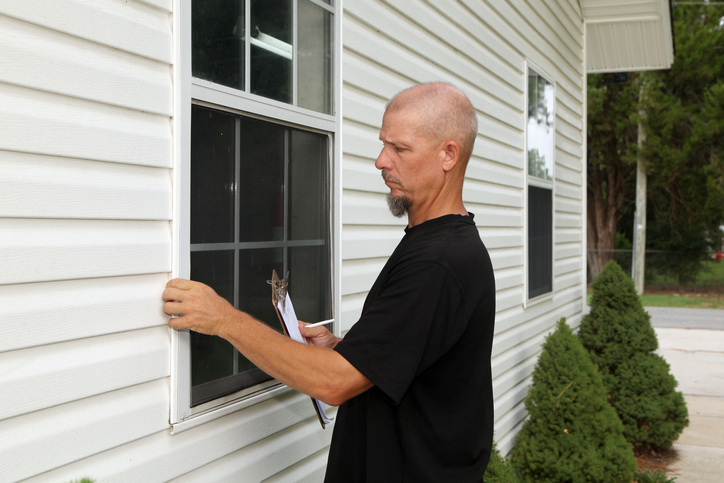
When you begin your home inspection on the outside of a client’s home, the windows, doors, patios, decks, and concrete surfacing should be your main focus. Look at the way windows are sealed; if you notice condensation between the glass on thermal windows, this is a sign of a failed seal. This can result in higher energy bills for your clients, mould and mildew growth which can affect air quality over time, and draftiness. Doors with seal failure might create the same energy efficiency problem as windows.
Watch out for cracks in the walking surface of patios and where they intersect with the wall of the house. Throughout your home inspector career, watch for concrete cracks as well, as this can be an indication of soil that was not properly prepared before the concrete was installed.
Signs of Poor Workmanship to Look for Inside a House
Inside your clients’ homes, look for cracks in the drywall, as this can indicate soil movement or structural issues. Watch for uneven floorboards, tile cracks, water marks under the carpet or linoleum, and discoloration–these can all indicate water infiltration that occurs as a result of cracks in the foundation. Pay attention to the temperature inside the house. If there’s a problem controlling the temperature inside, faulty HVAC systems are likely to blame. Observe how the switches and electrical outlets work as well.

Signs of a Bad Foundation to Watch for During Your Home Inspection Career
As you’ll learn in home inspection training, many of the most common and detrimental problems in a house are difficult to observe right away. For example, construction flaws in a house’s foundation can be difficult to spot at first. Check for sagging floors, peeling wallpaper, damp crawl spaces, protruding nails, doors that won’t close properly, and cabinets and countertops that separate from the walls. Here at the North American Trade Schools, we teach students about every component and system within a house, including roofing, structure, electrical, heating, air conditioning/heat pumps, plumbing, exterior, insulation, and interior so that their clients can rely on their consulting services.
Ready to become a home inspector?
Contact NATS for more information!