Author: toppyhem






HVAC (Heating, Ventilation and Air Conditioning) systems are great for making life more comfortable. But when they’re not installed properly, they can be dangerous–causing fires, explosions or emitting toxic fumes. If you’re considering a career as an HVAC technician, you’ll be responsible for installing, repairing and maintaining these systems. In order to do so safely, you’ll need to be well versed in industry regulations and practices. When working with systems that utilize natural gas, propane, butane, hydrogen, methane, and mixed gasses, you’ll be adhering to a variety of gas codes or guides that dictate how to safely install and repair these systems based on the type of gas you’re working with.
At North American Trade Schools (NATS), you’ll become familiar with relevant gas codes–in addition to building other practical skills and knowledge for a career as an HVAC technician. Below, learn more about what gas codes are and why your knowledge of them will be important after completing your HVAC training at the North American Trade Schools.
What are Gas Codes?
Gas codes are used by technicians and inspectors to guide the safe installation of appliances and piping. As an HVAC technician, you’ll need to ensure that you’re familiar with the codes in the municipality where you’re working before installing, repairing or inspecting a fuel system. There are several key codes to follow when it comes to working with fuel systems. For one, you’ll learn about the International Fuel Gas Codebook (IFGC), a widely used guide agreed upon by engineers but not to be confused with manufacturer codes. Manufacturer codes supersede the IFGC when the two conflict, as all products from manufacturers, are tested by regulatory agencies before approval.

What’s in the International Fuel Gas Codebook?
The International Fuel Gas Codebook contains eight chapters of important safety information. In your HVAC technician courses, you’ll receive guidance on how to interpret and apply the information in the IFGC to your work on site. The first chapter deals with administration; defining what is covered under each code and the provisions put in place for departments of inspection. The second chapter covers important definitions. Chapter three outlines general safety regulations such as hazardous locations for appliances, combustion, dilution air, and ventilation requirements. The following chapters outline best practices for gas piping installations, chimneys and vents, specific appliances, gaseous hydrogen systems and more. Equipped with the knowledge of the IFGC after your training, you’ll be prepared to safely and knowledgeably perform work on any HVAC system.

When Can You Expect to Use Gas Codes as an HVAC Technician?
When you begin your career in HVAC, you’ll use the IFGC and other regional and manufacturer gas codes to guide your approach to installing, maintaining, and repairing gas systems. Throughout your career, you’ll want to consistently refresh your knowledge of gas codes, keeping updated on any regulatory changes.
If you’re seeking a career as an HVAC technician, it’s important to prepare for the workforce with hands-on instruction and gain practical experience using state-of-the-art equipment. At NATS, our HVAC Technician Diploma Program offers a high level of support for students, and you can expect to learn everything you need to know about gas codes and safety regulations from our experienced instructors.
Ready to start HVAC school?
Contact NATS today!

Are you looking for an interesting, dynamic career that’s in high demand? Ironwork is an excellent choice for anyone seeking hands-on work that allows them to enjoy variety and excitement. Ironworkers install structural and reinforced iron or steel to support buildings, bridges, and roads. As a trained ironworker, you’ll essentially help to build the structures that make a town or city function optimally–how rewarding!
In addition to being an interesting and stimulating occupation, a career in ironwork can provide you with the stability you’re looking for, since the demand for this skill will grow for years to come. Before you become an ironworker, there are several technical skills to learn. If you’re interested in pursuing this path, an apprenticeship is a great place to start. Wondering what it’s like? Keep reading to find out.
Every Day Starts With Safety
In class labs, any hands-on work you do will put you at risk of injury if you neglect safety practices. You should always start your day by making sure you’re wearing the right safety gear. In welding class, you’ll need a welding helmet, welding gloves, earplugs, heat-resistant clothing, and steel-toe boots.

Depending on your job, you may be required to wear additional safety gear such as respirators and safety harnesses. Always be aware of your surroundings and make sure you’re up-to-date on all of the necessary safety training for your job site.
Learn the Skills You Need Using State-of-the-Industry Equipment
By taking welding classes at North American Trade Schools, you’ll learn both the theoretical and practical skills you need to succeed in your ironworking career. In addition, you’ll have access to modern state-of-the-industry equipment that will prepare you for work in the real world.
In your welding technician training, you’ll learn several fascinating skills. Gas Metal Arc Welding (GMAW), for example, is where an electric arc is the power source that causes metals to fuse. It’s considered a simpler process than Gas Tungsten Arc Welding (GTAW) which uses a non-consumable tungsten electrode to fuse metals and offers a cleaner finish.
Those are only a few of the competencies you’ll develop in class. Of course, to kick-start your ironworking career, you’ll want to get out there and see what it’s about for yourself. That’s where the next part of apprentice life comes in.
Put Your Skills From Welding Classes to Good Use on the Job
As an apprentice ironworker, you can expect to fulfill all sorts of duties which is great if variety is the spice of your life. You’ll probably start by doing basic but fundamental tasks like reading blueprints, welding, directing crane operators, and erecting steel structures. As you gain more experience on the job and have more opportunities to use your skills from welding class, your responsibilities will advance.

Working with a team of skilled ironworkers is such a crucial part of your journey as you will build important relationships and learn an array of skills–both practical and soft–where you’ll have support as you progress.
Interested in welding college?
Contact NATS to learn more!
5 Soft Skills Necessary for Success in Construction Careers
August 23, 2022

Construction careers are multi-faceted and they often require workers to wear multiple hats and carry out a wide variety of duties. In addition to practical construction skills, there are several soft skills that can boost your ability to reach your career goals. The soft skills you’ll develop in training and on the job sites will help you create the right mindset to face workplace challenges head-on. Let’s explore a few of them!
1. Effective Communication Skills Are a Must for Efficiency on Site
Effective communication is the key to a productive construction site. It involves being able to listen, understand, and express yourself accurately and clearly. There are several types of communication that every aspiring construction worker should master. Not only will you need to have the skills to coordinate with your co-workers but also with clients and different people across the supply chain. Each type of interaction requires you to communicate differently.
2. Use Your Knowledge from Construction College to Develop Problem-Solving Skills
Throughout your construction career, you’ll likely be required to come up with solutions to pressing issues on the spot. This certainly takes practice, but with the right training from a construction college and some experience under your belt, you will have the knowledge you need to quickly weigh the pros and cons of different solutions and make the right decision for the issue at hand. Want to develop a mind for problem-solving? You’ll have the chance to exercise these skills in our Construction & Maintenance Electrician Pre-Apprenticeship program where you’ll learn to come up with different home wiring solutions, how to interpret codes, analyze and repair machine controls, and more.

3. Mental Clarity and Focus With Stress-Management Skills
In a construction career, there will be a lot going on around you and often many different tasks will demand your attention at once. Though this is the perfect work environment for someone who likes a dynamic, hands-on work life, you’ll certainly experience some stress from time to time. Your ability to manage it will determine the extent to which you can perform your duties with mental clarity and focus. You can practice stress management throughout construction school by managing your time well, practicing self-care, and asking for help when you need it.
4. Be Flexible and Adapt to Work Through Inevitable Setbacks
As we discussed, construction sites can get very busy and on any given project, there’s a possibility that something will go wrong–or at least not exactly according to plan. In situations like these, it’s important to be able to quickly adapt to new circumstances and work with whatever you have at your disposal to get the job done. Your team will certainly appreciate your ability to switch gears and prioritize tasks sensibly when setbacks arise and you’re prepared to relocate when needed.

5. Have Commercial Awareness to Ensure Profitability
Whether you plan to run your own construction business or be a valued team member, understanding commercial demand will help you produce results that clients are happy with. In addition, commercial awareness helps you adapt to market trends and world events that may affect the construction industry. One way to improve in this area is to regularly keep up with construction news. In addition, by getting trained with us in both the classroom and in practical labs, you will learn everything you need to perform construction work up to an industry standard.
Ready to start training in one of the construction careers?
Contact NATS for more information!

A survey conducted by the online platform Billdr found that 39% of respondents would rather renovate their homes than sell them. This and other market factors reveal an upward trend in home renovation, which is excellent news if you have dreams about starting your own home renovation business.
You can turn your dreams into reality with the right training and mindset. As the owner of your own home renovation company, you’re not only a qualified builder; first and foremost, you’re a business owner.
Entrepreneurship comes with many benefits, like the freedom to determine your own hours and who you work with. That being said, as a budding entrepreneur, you might be wondering what you’ll need to do in order to ensure the growth and ongoing success of your home renovation business. Keep reading for a guide to starting your exciting career in home renovation.
Get the Right Training at Home Renovation School
Home renovation involves advanced knowledge of different parts, techniques, tools and equipment. While some people manage to pick up all the skills they need through hands-on experience, getting a diploma from a home renovation school is a much easier way to start. In the Home Renovation Technician program at NATS, you can expect to learn all the fundamentals of building work, such as basic plumbing, carpentry, interior and exterior finishes, cabinetry, star construction, stair installation, and roof construction. This kind of training will prepare you to take on a range of complex projects with confidence in your home renovation business.

Make a Plan With Specific Goals
After you’ve become a home renovation technician, it’s time to make a specific plan. Your plan should take several factors into account, including home renovation trends in your area, the strengths and weaknesses of your business, quantified objectives, predictions, and actionable steps to get there. Perhaps you’re familiar with the SMART model for effective goal setting. You’ll want to set business goals that are Specific, Measurable, Achievable, Relevant and Time-bound. Consider writing a business plan to provide yourself with a clear direction and more focus. Perhaps you want your business to specialize in a certain area of home renovation, or reach a specific clientele base. Identifying your goals is the first step to realizing them.
Use Technology to Reach New Clients
While you should never underestimate the importance of word of mouth, technology is every business owner’s most valuable resource. It might be a pain to keep up with social media, build a website, and pay for online ads, but with over 96% of Canada’s population regularly using the internet, you can’t miss out on the opportunity to reach clients online. Whether you post pictures of your great work on social media or you reach your ideal buyer through targeted marketing, you’ll be sure to increase the number of eyes on your business. If you don’t consider yourself tech-savvy, remember that you can always outsource your marketing to another company.

Choose Your Team Carefully
As discussed briefly, one of the best parts of entrepreneurship is your ability to choose who you work with. As your business grows, you won’t be able to get it all done by yourself. However, even after you hire a group of professionals to help you with your projects, you might notice an urge to jump in to make sure everything’s going smoothly. This makes sense–your business is like a baby you’ve been nurturing for years and you want to protect it. However, micromanagement quickly becomes extremely inefficient. Invest as much time as it takes to find qualified team members who you can actually trust on your projects.
Excited to start your home renovation training?
Contact NATS for more information!

Various steps are involved in modern cabinetmaking, and correctly applying the finish is an important one. With the right finish, you can create beautiful and durable cabinets. That’s because applying the right finish plays a big role in helping you extend the lifespan of your cabinets.
Students interested in becoming professional cabinetmakers can complete their training and hone their skills, gaining the experience they need to successfully launch their careers. Here, they learn how to identify and select wood, read drawings, operate woodworking machines and even apply different types of protective and decorative finishes. Through the techniques you develop from your training, you can complete key cabinetmaking tasks (like applying the finishing) with confidence and skill.
Here’s how you can get started on creating masterfully finished cabinets!
Planning and Preparing for Your Cabinetmaking Project
Planning ahead is the most important step when starting a cabinetmaking project, especially when it involves applying finishes. First, you’ll want to make sure that your cabinets can handle the finish you choose. For a smooth finish, it’s best to look for close-grained wood species that are known to take paint well, like maple or poplar wood. If you plan on using open-grained wood, then you’ll need to use a wood grain filler.
Ultimately, you want to ensure that the cabinets you’re working with are in good shape. In addition to planning your timeline, you need to consider your materials. After taking cabinet making courses, you may be using a range of equipment, including a mask, brushes, gloves, tape, a sprayer and a drying rack. It’s also best to work in a clean space with a moderate temperature to help with drying your work.

Finishing Cabinets Efficiently After Cabinet Making Training
Finding the right finish depends on the style you want to go for. You can pick paint finishes or opt for stain ones. The former can help you create a modern aesthetic while the latter can produce a more traditional look. Generally, a paint finish allows you to apply a wide range of colours to your cabinets, while a stain finish is best used for emphasizing the wood. It should be noted that paint finishes aren’t as durable and stain finishes can be more time-consuming to apply.
When applying, you’ll want to thoroughly clean the items you’re working on and remove any grease or dirt. Here, wood filler can be used to fill in dents or cracks in the wood for an even finish.
Sanding is also a key part of this process. Before applying your primer and in between each coat of paint and primer, you’ll want to sand the surface. If you notice any sharp edges or corners, then sanding should be your go-to solution to smooth down surfaces and help the wood absorb the paint well. For a professional result, you can rely on an airless spray painting device.
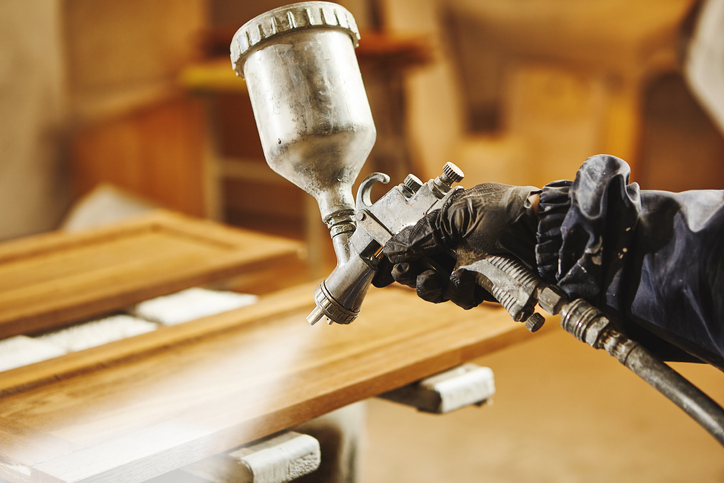
Things to Keep in Mind When Finishing Cabinets
Remember, wood is easily influenced by moisture as well as extreme cold and heat. Although paint can slow down the wood’s changes, it loses its elasticity once it dries. This can create cracks or chipping. To prevent this from happening, you’ll need to put extra care into your preparation stage, properly sand your surfaces and let your work dry completely before moving on to the next steps.
If you’re using a stain finish or applying a new technique, then you may want to test and refine your work on a scrap piece of wood. This way, you can save your materials and boost your productivity. By completing your cabinet making training, you can gain the knowledge and skills you need to become a professional in the field. You’ll learn how to efficiently shape and cut wood, assemble components and work on the preparation of articles for finishing. With these insights, you can more confidently apply cabinet finishes and complete your cabinetmaking projects.
Thinking of going to cabinet making school?
Contact NATS for more information!
5 Electrical Safety Tips to Follow After Electrician School
August 11, 2022

Electricians encounter potential safety hazards every day. While working with the voltages and currents within electrical systems always involves a risk, it’s important to know how to reduce as much risk as possible. With the right safety practices and protocols in place, electricians are able to stay safe on the job, ensuring long and successful careers.
At the North American Trade Schools, students in the Construction and Maintenance Electrician Program not only build practical skills in wiring, installation and more, but they also receive comprehensive safety training which they’ll be able to apply in their future careers. Below, get a head start on your electrical safety knowledge by discovering five key electrical safety tips to follow.
1. Wear the Right Protective Equipment
Personal Protective Equipment (PPE) is key for an electrician. With the right PPE, those with electrician training can avoid the risk of shock or other dangers associated with working with electrical equipment. Typically, proper safety gear includes insulated gloves, long sleeves, hard hats, goggles, line hoses and blankets. Depending on the job, more gear may be required to ensure adequate protection. As an extra precaution, make sure to inspect your gear before starting any job to ensure that it’s not damaged.
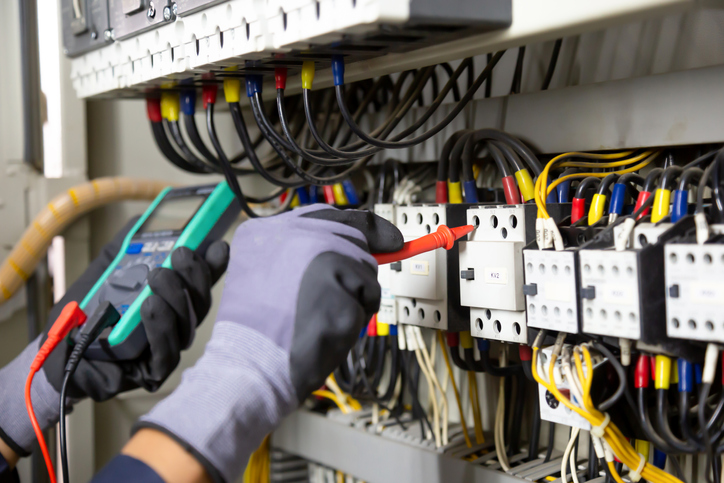
2. Keep the Electrical Code in Mind
As a student at NATS, you’ll have the opportunity to learn about the Canadian Electrical Code (CEC). The CEC was developed to outline the safety risks involved in the wiring, installation and maintenance of electrical systems. It includes information about the proper safety protocols and best practices to follow while on the job. As an electrician, it’s important to maintain a working knowledge of the CEC, as this will help you to avoid hazardous situations and respond to risks safely.
3. Know What to Do in Wet Conditions With Electrician Training
Damp or wet areas are a hazard for electricians, as water contact increases the risk of electrocution. After electrician school, it’s important to take the proper steps in preventing electrocution as a result of water. When working in any wet area, it’s crucial to install Ground Fault Circuit Interrupters (GFCIs) before beginning your project. When cords and equipment are plugged into GFCI-protected receptacles, the risk of electrocution is minimized as the circuit is interrupted before making contact with your body.
4. Maintain Your Electrical Tools
Damaged tools are an accident waiting to happen. The tools electricians use (trigger locks, power tools, extension cords and more) are designed to maximize safety, but when these tools are in need of repair, they can pose a serious safety hazard. Before beginning any job, make sure to examine your tools for signs of wear and tear, fraying or cracking. If any tools show signs of damage, it’s important to remove them from the site and get them repaired immediately.
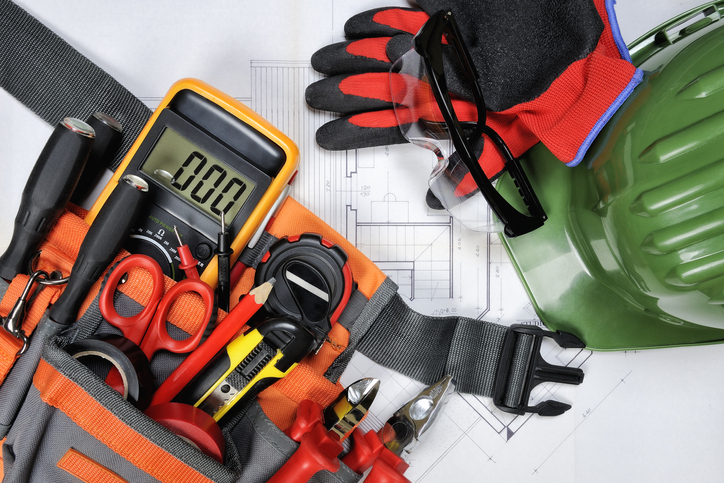
5. Remember Lockout and Tagout
Lockout and tagout procedures are critical for any electrical job. During the program at NATS, you’ll receive training in lockout and tagout, which involves de-energizing any equipment before the repair process. All electrical equipment, including hanging wires, metallic covering and other components, must be de-energized in order to avoid electrocution. Lockout and tagout are performed by turning off the current at the switch box and keeping it off by padlocking the switch in place. Before any electrical job, don’t forget to complete this step.
Ready to enroll in electrician college?
Contact the North American Trade Schools for more information!

Heating, ventilation and air conditioning is an industry that is gaining popularity. Almost every house today will not only have a central heating system but also a system to control the air quality, humidity and ventilation of a space.
While working in HVAC, it is essential to have good communication skills, especially when engaging with new and existing customers. When it comes to HVAC systems and businesses, clients have many options to choose from. Good communication and customer service are something that all clients care about, so it’s important to offer every customer the best possible experience to secure their business. Read on for some top communications tips when dealing with clients!
1. Answering the Phone Quickly Will Look Professional
Having an open line of communication for your clients to reach you is essential for the steady flow of business. Many customers will call you to get an instant quote on what services you offer, your next availability to service or install an HVAC system, and your prices. In that case, companies need to have someone ready to answer the phone and respond to those queries.
After completing HVAC technician courses, you’ll learn that having reliable customer service is what can truly differentiate your business from others. For example, a client’s A/C may break down in the summer and need to be fixed the next business day. By acting fast when your clients call you about a problem, you can be sure to secure a loyal customer for the future.

2. Make Sure Customers Understand What You Are Saying
Have you ever been somewhere to get a service and the employee keeps using technical terms that you don’t know? This is an example of poor communication skills which can leave the customer feeling lost and confused.
During HVAC school you will receive advanced training in technical procedures relating to gas and propane heating systems and ventilation and air cooling equipment. You will also be taught gas codes & regulations for residential and commercial environments. With this knowledge in the bag, it’ll be your job to break down any problems or procedures to clients in clear and simple terms. That way, you can clarify what services you’ll be performing and leave clients feeling confident in your role as a technician.

3. Focus on Earning Customer Trust After HVAC School
Loyal customers are the most important attributes of any successful business–and HVAC companies are no different. You may be dealing with clients who are stressed or impatient about getting a service done. In these situations, it’s important to listen to the customer’s concerns and offer them the best solution possible.
In some cases, there may be bigger problems with an HVAC system that will take time to be fixed or replaced. In this case, it is important to be upfront with your clients and give them an honest estimation of your services. When delays or issues arise, inform your clients immediately so they are not left in the lurch. With clear and honest communication, your business can enjoy a loyal and satisfied client base.
Are you looking to earn your HVAC diploma?
Check out NATS today!
Exploring Construction Careers? Ways to Promote Sustainability in the Field
July 19, 2022

Caring for the environment is becoming increasingly more important, making sustainable construction a key part of the process. According to research, annual global construction waste is anticipated to reach 2.2 billion tons by 2025. Professionals in construction careers can embrace sustainable practices to reduce this number and make a positive difference.
Sustainable construction can typically be viewed as any kind of construction practice that serves to reduce its impact on the environment. Typically, this involves being environmentally conscious when starting construction projects—choosing the right materials and methods to minimize energy consumption or waste production.
Read on to learn about how professionals in the industry can embrace sustainability and contribute to protecting the environment through their work.
Selecting Environmentally-Friendly Construction Materials
Before starting a construction project, professionals can begin by selecting sustainable materials. These materials do not negatively impact the environment nor do they play a role in draining natural resources. Here, it’s best to avoid using non-renewable and scarce materials and prioritize reclaimed materials over new ones.
Professionals can consider using bamboo, recycled plastic, laminated timber, ferrock and hempcrete when constructing green buildings—ones that are environmentally responsible and resource-efficient. It’s also good practice for professionals in construction careers to aim for using fewer materials and opting for ones with low embodied energy. By taking on this approach, construction professionals can reduce their energy consumption, better protect the environment and decrease the carbon footprint of their projects.

Embracing Sustainable Construction Methods After Construction School
Prefabricated construction, also referred to as offsite or modular construction, is when parts of a structure are assembled at a manufacturing site before being transported to their final destination. This technique is considered to be more sustainable as it promotes factory-based manufacturing with more affordable operating costs.
In fact, it’s even been noted that this construction method uses up to 67% less energy than a traditional site. Because manufacturers would be more able to accurately estimate the necessary materials, they can reduce waste by 50% compared to conventional construction.
Interestingly, buildings developed using the prefabricated approach can even be recycled and repurposed over time, ultimately reducing waste. Students in construction school can embrace these methods in their careers to build a more sustainable future.

Managing Construction Waste With the Environment in Mind
Reducing waste is a key way to promote sustainability in construction. This can be done by carefully planning waste management efforts, anticipating potential waste, preparing sufficient bins for separating waste, estimating the right amount of materials and identifying recyclable materials.
Another valuable approach is to prioritize deconstruction over demolition. That’s because demolition is typically more destructive, preventing professionals from preserving reusable materials. By opting for deconstruction, professionals can disassemble structures to salvage reusable materials and save them for future projects. Adopting these approaches and taking active measures to promote sustainability in the field can help reduce our impact on the environment.
Thinking of attending a construction college?
Contact NATS for more information!
5 Electrical Hazards to Watch Out for when Earning an Electrician Diploma
July 12, 2022
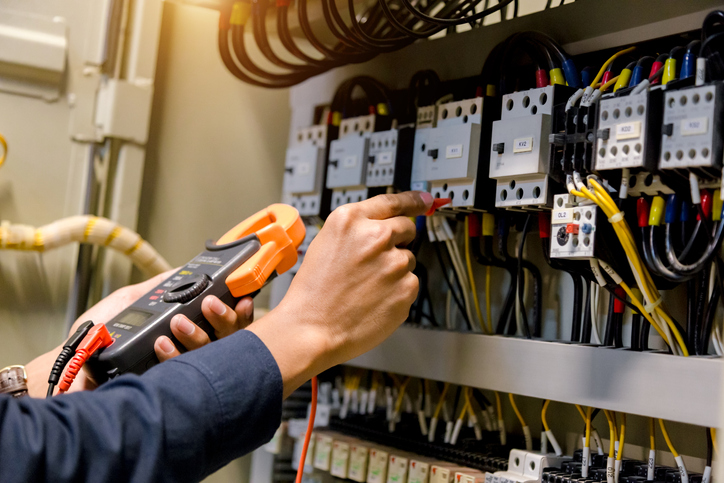
If you’re interested in problem-solving and using your hands in a fast-paced career, you might consider becoming an electrician. In addition to flexible schedules, Job Bank Canada forecasts that close to 25,000 new job openings will become available between 2019-2028 in Canada alone.
North American Trades Schools provides electrician certification for residential, commercial and industrial levels, preparing you with the knowledge and hands-on training to feel confident and safe at the workplace. As a student in electrician school, familiarizing yourself with safety practices and common hazards will help you to stay safe throughout your training and future career.
Keep reading to learn about five common electrical hazards and how to prevent them so you can improve your safety while earning your electrician diploma.
1. Wearing Personal Protective Equipment Is Essential When Earning Your Electrician Diploma
Electrocution, electric shock, burns and falls are all common injuries that an electrician must be hyper aware of avoiding. During your electrician training, you’ll learn that the first preventative measure that you can take is equipping yourself with the appropriate Personal Protective Equipment (PPE).
There are many different types of PPE you can protect yourself with, depending on the scope of the job. Insulated gloves, matting, and ladders can provide a protective layer eliminating a pathway for electricity to travel through the body. Face shields, non-metal helmets and flame retardant clothing can also add extra protection. Additionally, you should always inspect your PPE before use, and be sure to safely store it after completing a job.

2. Beware of Improper Grounding and Unwanted Voltage
Grounding is the method of connecting an isolated conductor to a ground, preventing unwanted transmission and voltage. When an electrical system is not appropriately grounded it can create voltage that cannot be eliminated safely, as the exposed parts of a system can become energized and cause electrocution. This can include the metal parts of motors, appliances or electronics that are plugged in.
To prevent electrical hazards, equipment must always be properly grounded. Using a Ground Fault Circuit Interrupter (GFCI) is a recommended safety measure that can safeguard you from improper grounding when working with electric systems. If a ground fault is detected in a circuit protected by a GFCI, it automatically stops the current, protecting you from electrocution.
3. Following Lockout and Tagout (LOTO) Procedures Keep You Safe
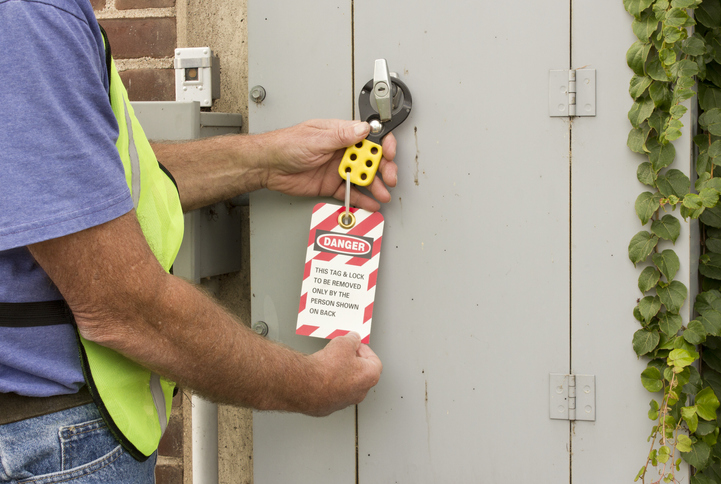
During your electrician certification, you’ll learn about using the LOTO method to control hazardous energy and prevent the accidental use of equipment while it is unsafe, being inspected, or being worked on.
Lockout and Tagout ensures that equipment is appropriately shut off and unable to be restarted prior to the completion of any work being done. When the power sources are off, they are locked with a tag attached identifying the reason the LOTO is there. The worker that places the LOTO is the only one with the key, ensuring that it is not accidentally started by anyone else.
4. Working in a Wet Environment Increases the Chance of Electrocution
From spilled water near an electrical outlet to leaks from plumbing issues, electricity and water are always a dangerous combination, together increasing the chances of electrocution. It’s important to keep tools, equipment and wires away from damp and wet areas, especially if equipment has any damages to its insulation. Wear and tear can make it easier for water to make contact with the conductors, leading to electrocution. As with improper grounding, protecting circuits with a GFCI ensures that if electrical shock occurs due to these conditions, the current will immediately be stopped.
5. Overloaded Power Strips and Outlets Are a Common Hazard
One of the most common electrical hazards in many homes and businesses are overloaded power strips and outlets. Outlets are designed for a limited amount of electricity output. Plugging in an excess of high-voltage devices can overload a power strip, increasing the chances of an electrical fire. Choosing power strips with surge protection will help to reduce the risk of fire, as the breaker stops the current if it gets overloaded. However, when working with heavy electric equipment as an electrician, you cannot rely on common surge protectors and power strips. Instead, a safer alternative is a three-way extension with GFCI for added protection.
With an extensive hands-on learning experience, as well proper safety techniques and leading practices, you will be fully prepared to identify and avoid common electrical hazards throughout your future career.
Are you interested in earning your electrician diploma?
Contact NATS to learn more!
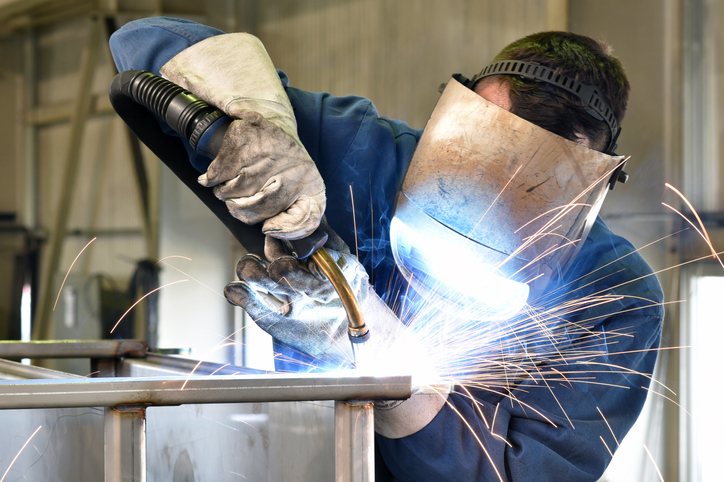
With skills that are required in various industries, Welders are professionals who are responsible for using different techniques to join metal parts, repair structural elements and more. Welders are needed in the construction and manufacturing industries, in addition to being employed in automotive garages, aviation, and underwater projects. Their principal duties might include choosing the right equipment for a specific weld, determining the proper weld technique to implement, accounting for safety hazards, adjusting and setting up metal components for a weld and more.
If you’re interested in welding training, building a few key skills will enhance your confidence while improving the accuracy and quality of your welds. Below, discover three key skills to develop during your training and throughout your apprenticeship to ensure a long and successful career as a welder.
Attention to Detail
While perfectionists aren’t a great fit for every career path, it’s safe to say that most would make a great welder. As you’re likely to realize during your welding technician training, it takes a lot of precision to become a welder. Welders benefit from being extremely attentive to detail–with the ability to notice every aspect of a welding project, spot potential mistakes before they happen, and align different components at just the right angles. They’ll need to perform precise cuts in accordance with specific dimensions, and produce a finished project with minimal flaws. For these reasons, employers in the welding industry often look for welders who are detail-oriented, as their work tends to be more accurate and more efficient in comparison to others.

Develop Strong Mathematical Skills During Welder Training
Welders spend plenty of time on calculations, determining the correct amounts, sizes and measurements for various components of their projects. While you’ll probably be able to use a calculator as a welder, it’s no secret that if you possess the mathematical skills to perform most calculations off the top of your head, your workflow will become a lot more efficient. During welding classes, you’ll gain an understanding of the calculations you’ll need throughout your career, putting your mathematical skills to the test and enabling you to improve them. As a future welder, you’ll use mathematical skills to interpret model sketches and 2D/3D prints, trim materials accurately and much more.

Physical Strength Will be Important
As a welder, you won’t only be expected to have a knack for math; you’ll also need the physical skills to match the job. Welders use their whole bodies on the job, and are consistently lifting, bending, stooping and configuring materials. What’s more, being a welder requires standing for long hours. In addition to physical strength, welders also must be dextrous, as their hands serve as guides for any welding project they complete. If you have steady hands and a good grip, you’re likely to excel in this career path, as you’ll spend long periods of time handling various tools and joining different components with a weld. During an interview for your next job as a welder, an employer may test your hand-eye coordination, your ability to lift heavy weights and the steadiness of your hands.
Looking to pursue welder training?
Check out our program at the North American Trade Schools today!