Author: toppyhem
3 Challenges to Expect After Electrician College, and How to Tackle Them
December 22, 2020




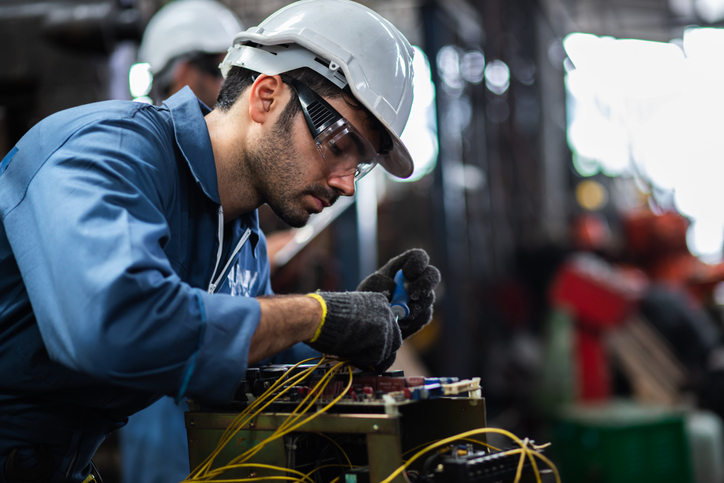
The job of an electrician isn’t easy. Electrical problems are a common occurrence in all kinds of structural installations, requiring anything from a simple fix to a complex solution. If not addressed, electrical issues can lead to electrical shocks, fires, or other unsafe conditions. Electricians are vital when it comes to solving electrical problems as they occur, and knowing how to fix common problems safely is essential to a job well done. Most electrical issues are caused by low-quality parts, a lack of regular maintenance, or failure to comply with codes and regulations. Fortunately, all of these problems can be fixed by a qualified electrician. If you want to become an electrician, then you’ll want to be aware of these three common challenges that electricians often face on the job, and how to handle them.
Those With Electrician Training Should Look Out for Overcrowded Electric Control Panels
Disregarding electrical codes and regulations when putting electrical systems and circuits in place can seriously increase the chances of encountering an electrical problem down the road. Once called in, a qualified electrician should be able to identify and address the problem. One common reason an electrician will be called to the scene is when a breaker or fuse is regularly tripping or blowing. A professional with electrician training will be able to identify the cause of this. Often, the cause can be an overcrowded electric control panel. Too many circuits, breakers, and wires on one control panel can cause overloading, leading to the overheating of components attached to the panel and issues with the fuse and breaker. If left unattended, overloading can cause fires. Electricians can solve this problem by switching to a panel of a larger size, and ensuring that the total load is not above the rating of the breaker or fuse. By being familiar with electrical codes and regulations, this problem can be mitigated.
Haphazard Wiring Methods
If you want to become a construction electrician, one of the main difficulties you’ll encounter throughout your career is incorrect wiring practices. Incorrect wiring practices can be identified by checking power outlets. If they are warm or emitting a burning smell, this is often a sign of faulty wiring. If the wires’ conductors are the wrong size or incorrect connections are used, this can leave wires exposed, causing the insulation to deteriorate and the wires to melt. When exposed wires come in contact with flammable or combustible material, outlets can become warm or emit a burning smell. Electricians can often fix this problem by replacing the conductor with one that is the right size for the wires.
Unsecured Connections
Loose connections refer to an electrical connection that isn’t tight enough, which can cause a buildup of heat and can increase the risk of an electrical fire. A common sign of a loose connection is the frequent flickering or burning out of light bulbs, and can even manifest in a smoke detector going off when it shouldn’t. If the frequency of this occurring is unusual, electricians may suspect that a loose connection is causing the issue rather than the light bulb itself. Loose connections can cause lasting detriment to electrical appliances and can even cause electrical fires. Electricians can solve this issue by cleaning the loose conductors and tightening the connection in concern.
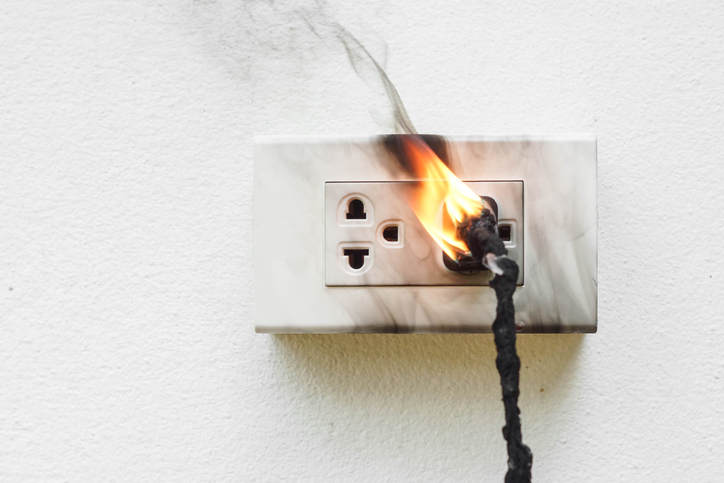
These are just some of the many problems electricians may face during a day’s work, and it’s important to be knowledgeable about the potential issues that can occur on the job in order to safely and effectively solve the problem.
Are you thinking about attending electrician college?
The North American Trade School has the program for you. Start exploring today!
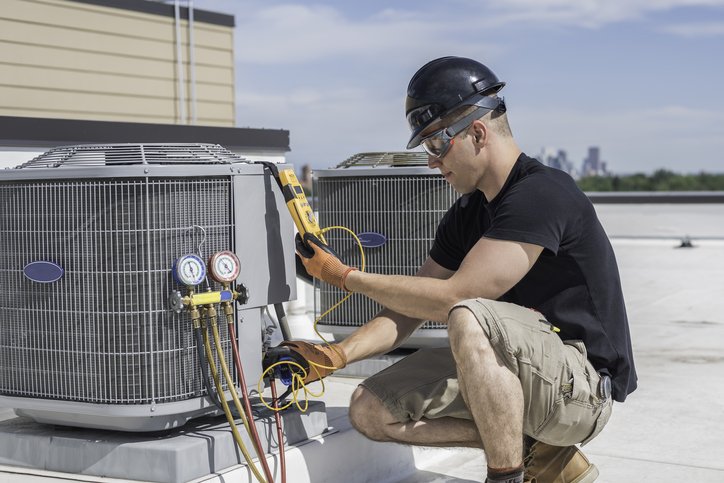
If you value doing a variety of work and are good with hands-on tasks, then chances are that a career in heating, ventilation, and air conditioning (HVAC) could be a great fit for you. HVAC technicians are quick problem-solvers, possessing a solid understanding of mechanical systems and how best to install and repair them. They are relied on whenever the heating dies off or the air conditioner breaks down—and practically every modern building uses either, if not all, of these systems.
Becoming an HVAC technician has many benefits, including the rewarding feeling of a job well done. Here are some reasons why becoming an HVAC technician might be a good idea for you!
Technicians Benefit of Short Training and Fast Results
Starting your HVAC training is key for your success as an HVAC professional. And, unlike lengthy university programs that can take four years to complete, pre-apprenticeship training can be completed in significantly less time.
Pre-apprenticeship training also includes plenty of hands-on work, rather than just sitting through long class lectures. As Jason Boyer, HVAC student at NATS, puts it, “I chose North American Trade Schools because it’s a hands-on school.” He adds, “They have the experience, they have the know-how, and you take what you can from them and apply it to your trade.”
HVAC Careers Include a Variety of Work and Opportunities to Advance
Every day on the job offers the chance to do something new—working in both indoor and outdoor settings while meeting all kinds of different people. This means you’ll have plenty of opportunities to stay active on the job. Each task will contain different challenges for you to overcome, turning every service call into an opportunity for a change of pace. It’s anything but your typical 9-5 office job!
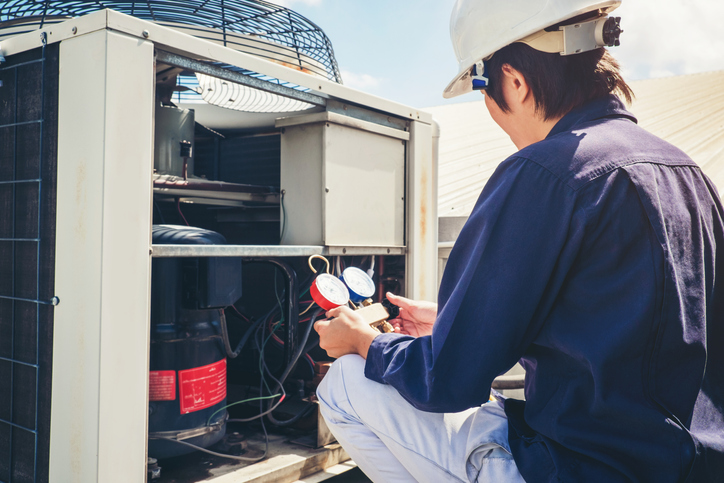
HVAC is a diverse field, offering a variety of work for its professionals. Technicians work with a variety of heating and air conditioning systems, having been trained to install and maintain gas and propane heating systems and ventilation as well as air cooling equipment in residential and light commercial environments. As a result, technicians have room to advance their careers after years of training and earning specialized certifications.
HVAC Is a Highly Valued Service That Comes with Many Rewards
Contrary to what some might think, HVAC work is not seasonal—no matter the time of year, people often need help with their HVAC systems. Due to the nature of the work, technicians need a solid level of mechanical skill and technical ability. HVAC technicians are effective problem-solvers. They have to analyze entire HVAC systems to root out key causes of failure before knowing how to make the necessary repairs. Because the work they do is hands-on, they also get the satisfaction of seeing the concrete results of their actions after a job well done.

An HVAC career is service-oriented, leaving plenty of room for customer satisfaction. Technicians are often met with gratitude as they work to provide valuable service, keeping temperatures well-regulated in all kinds of environments—ultimately providing comfort and security for their clients.
Are you interested in attending an HVAC college?
Contact NATS for more information!
Trends and Features for Home Renovation School Students to Watch in 2021
December 15, 2020
 A brand new home renovation project is an exciting way to start fresh and make new changes, especially with 2021 right around the corner. This year has been full of challenges and surprises, but it gave us a chance to rethink how our personal living spaces work for us—especially now that many people have to work in them as well.
As a home renovation technician, you’ll be able to help make people’s dream homes come true. With valuable skills that range from carpentry and wood (re)finishing to painting and plumbing, you will be better prepared to tackle many future home renovation projects with ease and confidence. So, here’s a quick look at the rising trends and features in home renovation set to get big in 2021.
Creating Calm but Productive Spaces Through Multi-Functional Zen Design
Those doing their home renovation training can expect many different trends to take off in the new year. With the stress of 2020, there’s now an increasing need for calm and comfortable spaces that help us get more done. Typically this means optimizing living spaces so that they serve more than one function while still maintaining a nice and interconnected aesthetic throughout the home. Having a well-designed environment that supports the new work-from-home lifestyle is a key feature that many will look for in 2021.
Multi-functional designs are a great way to create productive spaces–incorporating innovative and adaptable ideas to solve tight storage or address at-home workspace needs. These new changes are often paired with a zen-inspired aesthetic, emphasized by neutral or earth-toned colour palettes and simple minimalistic designs. For instance, rooms would feature more natural light, with window treatments adopting a subtle, down-to-earth style. Accent pieces would come in warm colours, like golden yellow or sage green, and would typically be made with natural materials to give off a warm and inviting feeling.

Adding Depth and Character to Rooms by Including Textured Elements
Textured elements in home renovations are becoming increasingly popular, so students in home renovation schools might not be surprised to see the trend for wood details and woven-style accessories continue in 2021. Various elements can feature these types of textures—ranging from walls and flooring to lighting fixtures and cabinets. This can also be applied to statement pieces that tie the whole aesthetic together, showcasing textile wall art, stoneware pieces, or even canvas paintings.
Alternative materials include wicker, rattan, or bamboo—which are slowly making their way to indoor spaces as well as outdoor ones. These materials are popular for their durability, but they’re also eye-catching due to their unique textures. Having them around would definitely bring a light and airy feel to home renovations.

Using Your Home Renovation Training to Create Eco-Friendly Spaces
Home renovation trends for 2021 will strongly favour eco-friendly and sustainable designs and features. Some of these design features include reclaimed wood, which is now becoming an aesthetic choice as well as an eco-conscious decision—used in ceiling beams or countertops, among other places, to add a rustic and homey look to any room. Green walls, also known as vertical gardens, are set to keep trending. The addition of low-maintenance houseplants can effectively change the atmosphere of a room, especially since some plants can naturally help clean the air around us.
Are you interested in attending a home renovation college?
Contact NATS for more information!
4 Common Residential Electrical Flaws Examined for Those Who Want to Become An Electrician
December 02, 2020
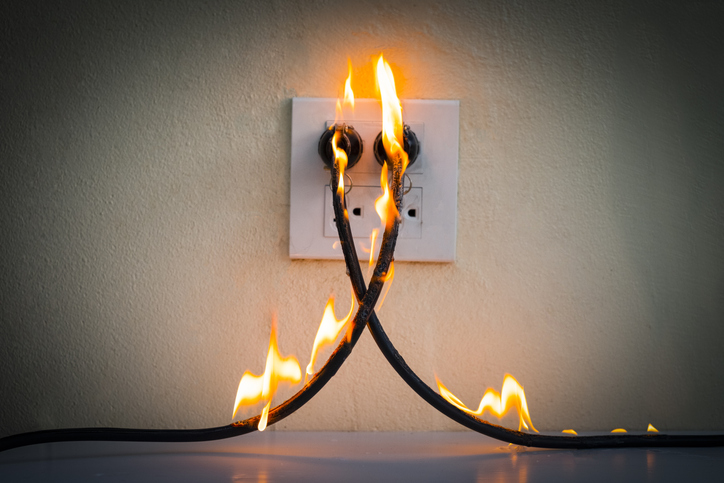 Electricians called into homes to work on a specific problem have often reported discovering additional electrical issues, some of them potentially hazardous. Many electrical issues in the home are caused by work done by unqualified people, or by homeowners trying to save a few bucks with DIY home reno jobs. Electrical defects are also frequently found in older homes, where outdated fuse boxes, outlets, and wiring are often ill-equipped to supply the power demands of the many modern electrical devices used in the average household of today.
While some of these problems may appear to have harmless symptoms, many of them left unattended have the potential to cause tragic house fires or electrocutions. With that in mind, here are a few of the most common—and potentially hazardous—electrical flaws pros should look out for in people’s homes.
1. Plugs Fitting Loosely in Receptacles
Many homeowners may have noticed an outlet or two in the home where the prongs of electrical devices don’t seem to fit as firmly as they should. This problem is usually caused by the contacts of the outlet receptacle becoming worn over time, causing the plug to sit loosely in the outlet, with the metal prongs of the plug often partially exposed.
Electricity will usually still flow in this circumstance, posing a high fire risk due to loose contacts causing electrical arcing. Any flammable object near the compromised outlet is at risk of igniting, such as bed skirts, curtains, or even an accumulation of dust. While the fire risk is high in this circumstance, the repair work is simple, requiring a quick, low-cost receptacle replacement.
2. An Absence of GFCIs
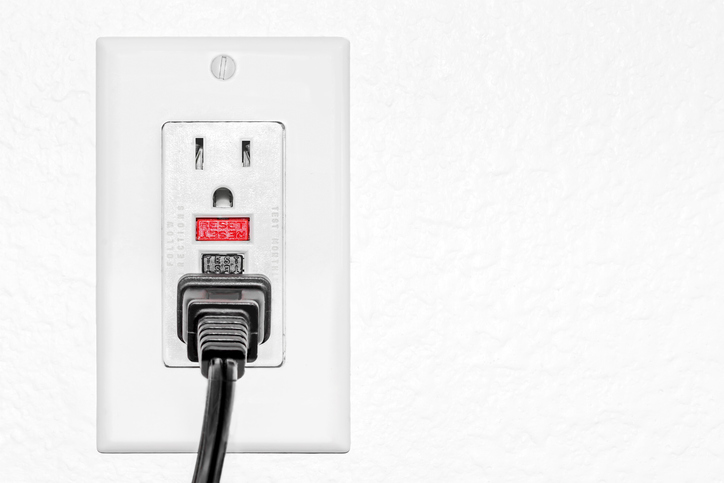
Ground fault circuit interrupters (GFCIs) are built-in outlet fixtures designed to prevent hazardous electrical shocks. A person with electrician training should be aware of this design, which is usually found in wet regions of the home where electrocution is more likely, such as bathrooms, the kitchen sink area, and outdoor connections. On an inspection, the electrician should look out for GFCIs in these areas of the home, and recommend replacements to older outlet coverings for optimized safety.
3. Overlamping
Even students of electrician school may have at one time or another made the common homeowner error of using a lightbulb with higher wattage than a light fixture is designed to accommodate. It may seem like a small problem, but the mistake rates as a fire risk due to the extreme overheating that will eventually scorch the light socket.

Not only is the socket at risk of melting, but the heat can also burn its way through the fixture’s wires, causing the arcing phenomenon that’s usually at the root of so many electrical fires in the home. Even if the homeowner is lucky enough to avoid a fire from a longer period of overlamping, the light fixture will usually be permanently damaged. To prevent all risk, homeowners should be advised to always ensure they’re using a bulb with the recommended level of wattage limits labeled on the light fixture.
4. Ungrounded Connections
Students of electrician school will need to understand the concept of grounding, which is a safety feature design added to electrical appliances, devices, and outlets to safely discharge an excess of electricity in the event of a wiring defect. If currents escape from the safety of the wiring unit in such defects, connections without a grounding system leave those loose currents at risk of flowing through nearby objects instead. This poses a damage risk to the device in question, and an electrocution risk to the person using it. As a standard safety measure, electricians should highly advise any homeowner with insufficient grounding connections and wiring to invest in an updated installation.
Are you interested in taking professional training to become an electrician?
Contact North American Trade Schools today for more information on its specialized program!
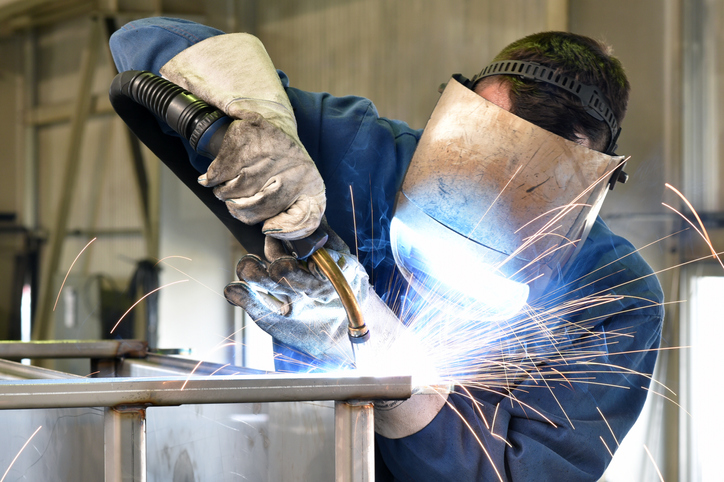 If you’re someone who enjoys the satisfaction of building something with your own two hands, then a career as a welder might be for you. With their skill set, welders are equipped to build and repair a variety of things, from metal furniture to huge vessels such as ships. With so many things depending on the work of welders, it’s no wonder that welding is a respected and highly skilled profession.
So what does it take to join it? The first step is completing a pre-apprenticeship program before starting your apprenticeship. Here’s a look at what you can search for when making your decision.
Your Welder School Should Offer Hands-On Welder Training
Perhaps the most important thing in choosing a welding school should be whether the program offers hands-on experience. At the North American Trade School (NATS), students benefit from both a hands-on and theoretical approach to welding to ensure that graduates are ready to step into the field with confidence.
Students can gain experience in welding while using modern equipment, building skills in many different welding processes such as Flux Cored Arc Welding, Shielded Metal Arc Welding, Gas Metal Arc Welding, and Gas Tungsten Arc Welding. For welding graduates like Emily Harrison, NATS was a great choice because of “how much practical work [she] was able to do.” Because welding processes can often be complex, it’s important to complete your welding training in a hands-on setting such as the one NATS offers.
All Welders Need Expert Teaching
Welding is a complicated job, requiring familiarity with a variety of safety measures, equipment, and procedures. In order to become a qualified welding professional, it’s important to choose a welding program that will not only equip you with the right certification, but will teach you the techniques and skills necessary to succeed. When choosing a welding program, look for one that prioritizes access to knowledgeable instructors every step of the way. At the North American Trade School, instructors are experts in their fields, and they’ll be able to equip you with the training you need to excel in a wide variety of welding techniques, while following the correct safety procedures. The welder school you choose should offer courses taught by expert instructors in order to prepare you for your career.

During Your Welding Training, Your Instructors Should Be Available to Guide You
Another key component to your welding education should be access to plenty of support from your top-notch instructors. In addition to being experts in their field, your instructors should be there to guide you through welding best practices, processes, and safety protocols, and answer any questions you may have.
Welding graduate Adam Maize says that what he enjoyed most about NATS was “probably the instructors… They were very open to conversation and explaining what to do here.” In a hands-on training environment, instructors who are there to make sure that you’re understanding every step of the process are essential to a solid education in welding.
Are you ready to begin your welding career?
Check out the North American Trade School’s welding program to get started.
Common Bathroom Remodeling Mistakes: A Look For Those in Home Renovation Training
November 20, 2020
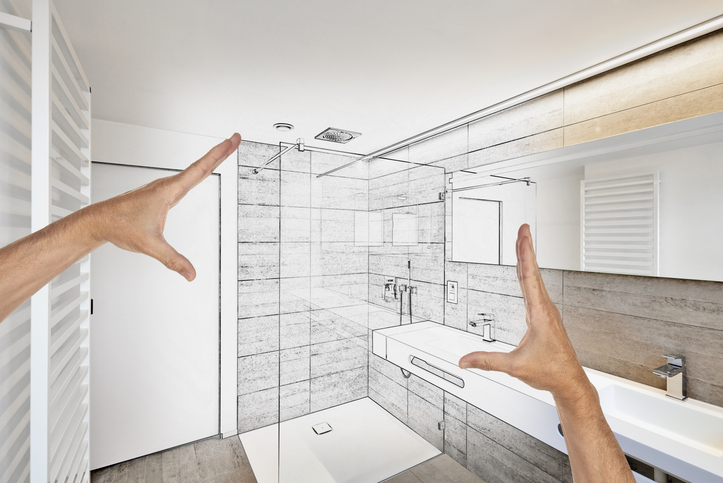
Remodeling a bathroom is a big endeavor in any home. Putting in a new bathroom can get expensive when taking into account the plumbing fixtures, ventilation, electrical wiring, and furnishings needed to create a quality space. If you’re remodeling a bathroom, it’s important to have a plan in place to ensure that the design is not only functional, but that the client will be satisfied with the result. When making renovation plans, be sure to be aware of these common mistakes so that you can both avoid a remodeling catastrophe and create a bathroom you’re proud of.
Those With Home Renovation Training Should Prioritize the Layout
When planning to remodel a bathroom, make sure you’re accounting for the many things that could affect the layout and function of the room. Failing to account for existing infrastructure, placing fixtures inefficiently, or making measuring mistakes can all lead to a bathroom remodel disaster. Plan ahead by figuring out where plumbing points will go and ensuring they work with the walls and features already in place. As those with home renovation training might know, moving these points can be expensive, and this will save both time and money.

Additionally, take the time to measure out the space for fixtures like bathtubs, vanities, toilets, and showers. Make sure that these fixtures have enough space between them to move around comfortably in the space, while still being able to clean between and around the fixtures. When measuring, consider the way that drawers will open, and make sure not to put the toilet in direct view of the opening door, because who wants to see that? Establishing a clear layout before beginning your remodeling project will help you to avoid unnecessary and hard-to-fix mistakes later in the process.
Don’t Skimp on Lighting
Lighting can make or break a bathroom. Too much overhead light can create shadowing, and lights that are too bright could work to make the bathroom less relaxing. Consider using multiple different lighting sources to create a layered design. Wall lights near the mirror make for optimal lighting when looking in the mirror, and LED strips are a good option for a softer light. If the lights are wired so that they can be turned on individually, everyone using the bathroom can be satisfied with the lighting by adjusting it to their liking.
Plan for Ventilation
If you’re in home renovation school, you’re probably aware that the bathroom requires more ventilation than most other rooms in a home. If the bathroom doesn’t have a window, a fan is required by code, but investing in a good vent is always a good idea. A fan will prevent condensation, damage to paint, and combat the growth of mold spores. Think about equipping the bathroom with a fan that has a timer switch to ensure that it’s being put to good use.
Mismatching Materials? Maybe Not
While it might be tempting to add splashes of colour to a bathroom by mixing and matching materials and textures, this will prevent the finished product from having a sophisticated, cohesive feel. Try to use a maximum of two different kinds of tiles, woods, or metals, and make sure to choose materials that are meant for a bathroom. Because of the temperature changes and higher than average moisture levels that bathrooms face, installing materials not made for the bathroom could lead to mildew or warping. By avoiding these mistakes, you’ll be ready to build a bathroom that’s both functional and appealing.
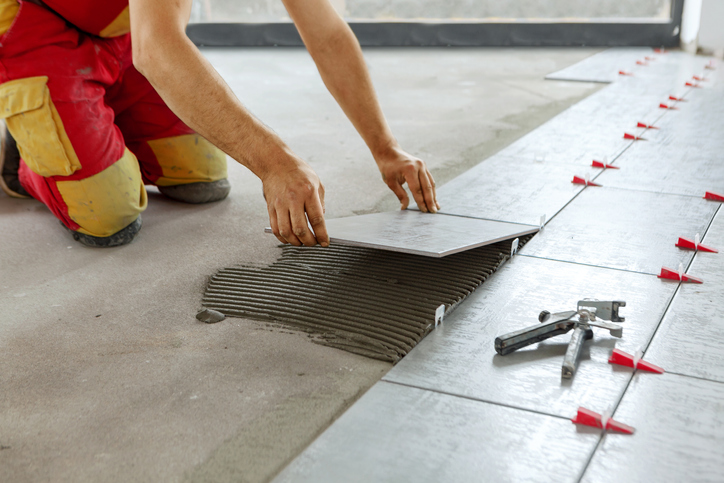
Do you want to become a home renovation technician?
Check out the North American Trade School’s program options.
 Welding, while a safe profession when the correct precautions are taken, involves many risks and hazards. Welders can work with high temperatures, gases and fumes, electrical voltage, sparks, and ultraviolet rays. In order to protect themselves against explosions, burns, fumes, eye damage, and more, welders must ensure that they are following safety best practices. If you’re thinking about becoming a welding operator, make sure that you’re aware of these safety tips in order to ensure that you’re always staying safe on the job.
Those with a Welding Career Should Stick to a Routine–Before, During, and After a Welding Job
Before beginning any welding job, it’s important to cover all your bases to ensure that the area you’re working in is as safe as possible. Welding operators should always review their operating manual, which contains all the safety information and regulations provided by the manufacturer.
Make a list or mental note of things to check for before, during, and after your welding project. If you’re in a welding career, check for any hazards before beginning your project, such as flammable materials nearby. Make sure to check the equipment you’re working with. Is it functioning properly? Could you injure yourself accidentally on nearby equipment? Do you know where everything is for easy access? During your project, stay mindful of surfaces or surrounding materials that could be hot and should be avoided. After you’ve finished the job, make sure to clean up your workspace. Return all equipment, and ensure that there’s no possibility of a fire occurring.
Wear the Right PPE (Personal Protective Equipment)
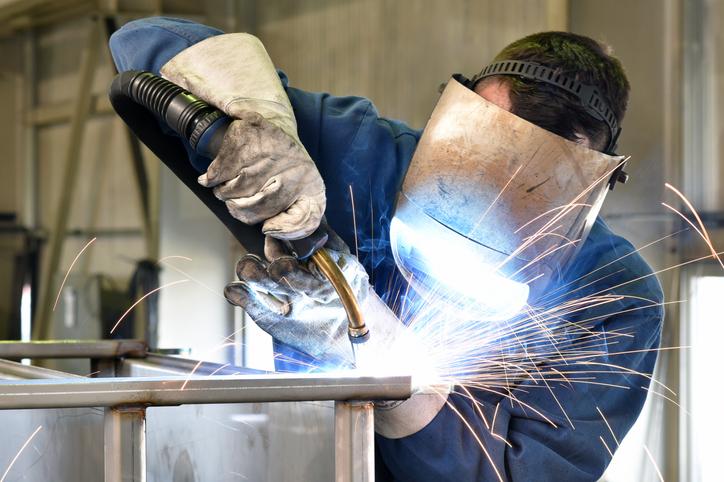
Welders should never begin a project without wearing the right PPE (personal protective equipment). Your PPE will keep you injury-free and protect you from burns, vibrations, and exposure to ultraviolet rays. Your PPE should consist of cotton clothing treated with flame-resistant properties. Wear leather boots that cover your ankles, and never roll up your sleeves or cuffs or unbutton your shirt, which can allow skin to become exposed to sparks or enable sparks to catch in cuffs or pockets, where they can burn. When welding, always wear safety glasses with side shields to protect your eyes from debris and sparks, and always wear protective gloves. Wear a helmet equipped with the proper shade lens for your project to prevent exposure to arc rays, which can cause painful injury to eyes and skin.
Ensure You’re Using Proper Ventilation
If you’ve attended welding school, you’ll understand the dangers of overexposure to welding fumes. In order to avoid this, make sure that your workspace is equipped with proper ventilation systems to remove fumes and gases from the breathing zone. Adequate ventilation will depend on the type of base metal and rod you’re using during your welding project, as these contain different levels of metal oxide compounds. It’s likely that your employer will provide a ventilation system, but make sure to wear a respirator unless you’re sure that exposure levels are below safety limits.
Take Precautions to Prevent Fires
Welding arcs can pose a lot of danger due to the intense heat and sparks they create. Make sure you remove all flammable materials from your work environment or cover them with a fire resistant material before beginning. Check to make sure you know where the fire extinguishers and alarms are located, check that they are functioning, and identify the fire exit nearest to you. If welding near flammable materials, have someone keep an eye on the sparks. Always stay in a work area for at least 30 minutes after finishing a project to ensure that the sparks created will not start a fire.

Stay Dry to Prevent Electric Shock
Welders should take great precautions to ensure that electric shock doesn’t occur, as shock can result in injury or death in serious cases. Electric shock can occur by contact with an electric circuit, which commonly occurs when two metal objects that have voltage between them are touched, or when secondary shock is experienced from a welding circuit. Always inspect electrode holders for damage before starting a project, checking that they are properly insulated, which ensures that the welder will not touch the hot parts within the electrode holder. Be sure to wear gloves and PPE that is completely dry when handling electrodes or electrode holders.
Are you interested in attending welding college?
Check out the North American Trade School’s program options for future welders.
A Look at the Hottest Cabinet Trends in 2020 for Students of Cabinet Making Courses
November 03, 2020
 If you’re wondering what will make for the most modern-looking cabinet in someone’s kitchen right now, look no further. When you’re in the middle of a home renovation project and you’re fixing up someone’s kitchen, you won’t want any of it looking dated compared to the rest of the room—and that includes the look of the cabinets. Whether they need a new paint job, or a full redesign or replacement, there are many techniques you can use to give them a fresh, modern look.
For any kitchen cabinets looking like they’re stuck in 1974, you can borrow from any of these current trends to give them the facelift they need. Here are some of 2020’s hottest trends in cabinet making.
Transitional Cabinets: Where Old School Cabinet Designs Meet the New
One major trend for cabinets nowadays is when older styles are mixed with current ones, such as when kitchens that were built decades ago are given a fresh update with modern-looking cabinets or other pieces. You can do this by using modern-day tiling and cabinet design while the rest of the kitchen pulls from design techniques of years past. If a client needing renovations for their kitchen wants to spruce it up and make it look more contemporary, while also not wanting to sacrifice too much of the traditional feel that made it look comforting in the first place, transitional cabinets are one way to accomplish this. This is an example of a trend that can be used for a variety of kitchen styles, and one that can apply well beyond 2020.
Open Shelving: How Students in Cabinet Making Training Can Make Kitchens Look Bigger
Students in a trade school learning about cabinet making may notice that some modern kitchens don’t even bother with cabinets that need to be opened and closed. Instead, some opt for shelves that put cabinet items on display for everyone in the room to see! To use open shelving in lieu of traditional cabinets is a great way to modernize the look of a kitchen, and make it more functional as far as using kitchen items without needing to open cabinet doors.

It also allows for the homeowner to save more space in their kitchen, or make the kitchen appear more expansive, particularly if it’s smaller in size. It’s a decidedly more minimalist approach to the use of cabinets, but it’s a good way for homeowners to make their most prized kitchen possessions the star of the show.
Integration: Hiding Range Hoods and Appliances for a Better-Looking Kitchen
One thing that students in cabinet making training might notice about modern cabinet designs is that some present-day kitchens are looking increasingly streamlined. Components that were once ostentatiously exposed are now integrated within the kitchen, or seemingly hidden altogether. This is especially true for dishwashers, range hoods, ovens, and refrigerators.

These components would be fitted alongside custom panels to appear integrated with the cabinets surrounding them, and give off a sleek, uninterrupted appearance. The cabinets and kitchen would look more cohesive, and this style would also make parts that would otherwise stick out within the kitchen appear as if they were part of the wall to begin with.
Do you want to take cabinet making courses?
Contact North American Trade Schools for more information!
How Has COVID Impacted Home Renovation Trends? Here’s a Look for Students in Home Renovation Training
October 27, 2020
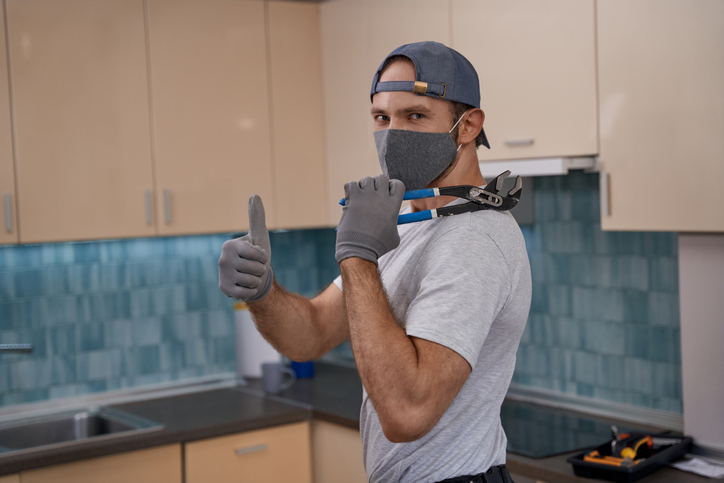 The global pandemic has shifted many of our behaviours, including the amount of time people are spending at home. Due to social distancing and isolation rules, people are forced to stay within the confines of their houses more than ever before, leading many to examine their surroundings with a more scrutinizing eye.
Whether it’s due to boredom, lots of unused vacation budget to burn, or from a genuine dissatisfaction with their surroundings, people seem to be engaging in a lot more home renos since the pandemic hit. To learn more about what kinds of renos they’re opting for, let’s check it out!
The Shift from Open Concept to Closed-off Living Spaces
Ever since the pandemic began boxing families in together to an unnatural degree, many people have been expressing an interest in moving into new construct homes. According to a recent survey, requests for these new builds are overwhelmingly for designs that have more rooms with closed doors—a move away from the open concept home with a combined kitchen, dining area, and living room. The design trend is clearly connected to the need to spread family members out into more areas of the house so that everyone can work or study from home in privacy and peace.
The Home Office Reno
As a result of the work from home shift, many design and reno pros are receiving requests to help homeowners create more private spaces for work and study. Basements, guestrooms, pool sheds, and other spaces are being converted into home offices, learning rooms, or play areas for those with smaller children. Existing rooms are also being converted to accommodate the new normal, with corners of bedrooms and dining rooms as examples of home areas being fashioned into small, functional workspaces.

The Need to Create “Staycation” Spaces
With no clear end to the pandemic in sight, one trend noted by experts is a transformation of the home into the ultimate staycation spot. People who decide to spend on these luxury changes are often sitting on cash they’d saved up for a vacation, choosing to spend it on home improvements instead. Unlike the functional home office reno, the objective with the “staycation” home reno is to make some part of the home feel more luxurious to provide the feeling of relaxation one might expect on a vacation.

Pros seasoned in home renovation technician training can put their combined electrical, plumbing, and carpentry chops to work to help these homeowners realize their visions. One of the most common pandemic staycation splurges observed by reno pros is the full backyard overhaul to include more luxe outdoor seating and dining spaces, with lots of new decks, patios, pools, and hot tubs getting installed. Home cinema and game room requests are other examples of pandemic bonus-room spends.
The Long-Haul Reno Requested of Pros with Home Renovation Training Backgrounds
Some designers have noticed a trend in homeowners who’ve already made major purchases—such as a pool installation or complete patio re-design—placing advanced requests for ongoing improvements to their new space. As the seasons change, many people want to keep enjoying their outdoor spots by adding a few extra creature comforts. As a result, those with home renovation training backgrounds are using their know-how to meet lots of requests for outdoor fire pits and cozy patio fireplaces as homeowners look to extend the use of their outdoor spaces.
Homeowners are also putting advance requests in for ponds, entertainment rooms, outdoor gaming areas, and other projects they can look forward to—a clear move to make the home a more entertaining and enjoyable area for the family to spend time in, with the pandemic remaining unpredictable in how it might impact our habits in the days ahead.
Are you interested in learning more about the skilled techniques for accomplishing home projects through home renovation school?
Contact North American Trade Schools today for more information on its exciting diploma program!
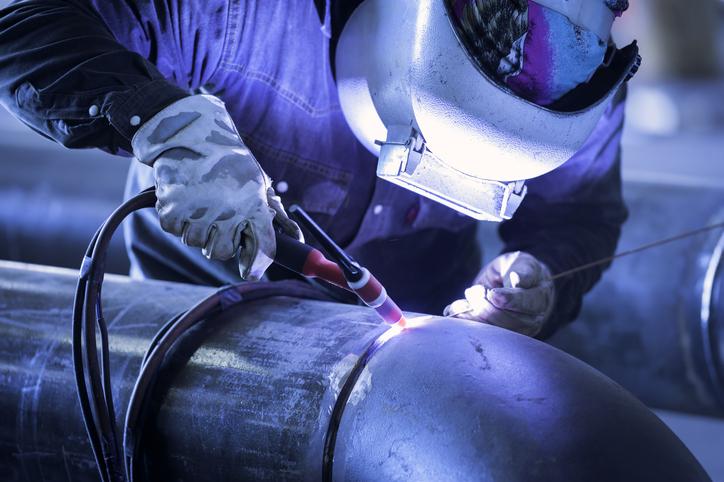 In the welding world, gas tungsten arc welding (GTAW)—also frequently referred to as tungsten inert gas (TIG) welding—produces welds via a process using tungsten electrodes. A shielding gas protects the weld pool area from air pollution, and inert gases such as argon, helium, or a mixture of the two are used.
Due to the high level of precision in this form of the trade, GTAW is typically reserved for high-quality jobs requiring more attention to detail. It’s also the form most appreciated by experienced welding practitioners, due to its ability to turn out stronger welds with cleaner, more artful results and higher integrity.
To understand more about GTAW welding, let’s take a look at five interesting facts about this method.
1. It Takes Longer to Master Than Other Welding Types
The finicky welding method of GTAW requires a lot of practice to perfect. In fact, it’s usually only attempted once a welder has a solid grasp in some of the more basic forms of the trade, such as metal inert gas (MIG) welding.
The more complex GTAW procedure requires a non-consumable tungsten electrode to run a current through the metals the technician is looking to weld together. After the metals have been liquified by the heat of the electrode, the filler material is hand-fed into the weld pool. Those interested in a welding career should know that this method is slower to perform than more basic “point and shoot” one-handed weld methods, and is a lot more difficult for inexperienced users to accomplish.
2. It Requires a Lot of Focus
Any type of welding is reliant on lots of concentration to avoid mistakes and accidents. If you’re attending welding school, you’ll be interested to hear that GTAW welding requires an even sharper level of focus. Both hands are needed to work on a GTAW job, with the welding torch in one hand and the filler material in the other.
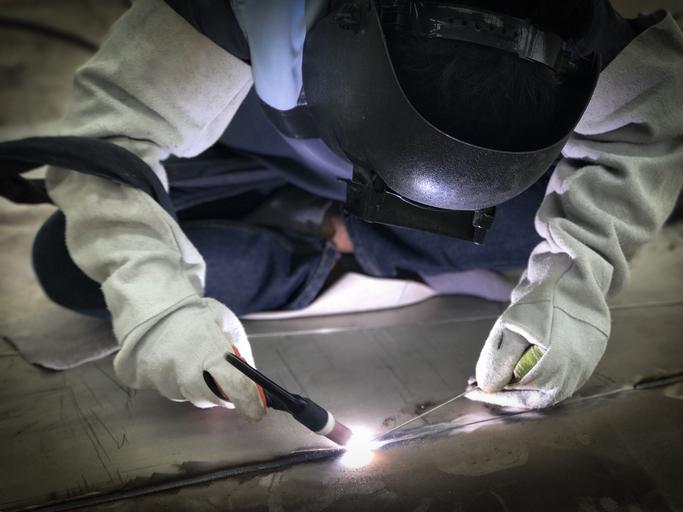
A lot of concentration and a steady hand are needed to feed the wire as the operator attempts to move smoothly through the weld. The clean results at the end of this painstaking process come from a lot of patience, along with razor-sharp focus to prevent mishaps and unsightly errors.
3. Its Ability to Apply Controlled Heat Allows for Cleaner Results
On GTAW welds, a foot pedal controls the electricity coming to the torch, allowing for a level of deep penetration and accuracy that prevents the arc weld splatter one might get with a more basic type of welding. This control of the heat allows for much cleaner results—perfect for more advanced, high-precision jobs.
The welder doesn’t even necessarily need filler material here to get a successful join. This is important to remember, as welding requiring any filler material is usually a messier procedure. The precise metal-to-metal welds that GTAW welding enables allows for the operator’s desired smooth, clean surface. Producing an aesthetically-pleasing pattern and uniform bead, these welds often need no more than a light polish to finish.
4. It’s Ideal for Working on Stainless Steels
GTAW is well-suited to working on thin sections of light metals, including magnesium and aluminum. The method is particularly favourable for use on stainless steel welds. This is partly due to the aesthetics of these jobs, where the uncoated fabrication of the material means the weld remains exposed for the world to see. Additionally, stainless steels are a more expensive metal type, requiring significantly tidier finishes.
5. It’s More Expensive for Welding Career Pros to Complete
Due to the level of precision and attention to detail required, a GTAW weld is one of the most time-consuming jobs to complete. The process also has a low deposition rate to consider, with this rate measured in pounds per hour, deposited at a particular welding current. Additionally, a lot of GTAW welding equipment is at least twice as expensive as more basic tools of the trade.
Factoring in the time required from the highly-skilled welder multiplied by the hourly rate, plus the cost of resources needed on higher-quality jobs, these welds are much more costly to complete than other forms of the trade.
Interested in pursuing a thriving career by earning your professional welding diploma?
Contact North American Trade Schools today for more information on its exciting welding diploma program!